

What is a Sawdust and Wood Flour Powder Conveyor? What Are Its Design Principles?
Understanding the mechanics and design principles of a sawdust and wood flour powder conveyor is crucial for industries that rely on efficient material handling. These specialized systems are engineered to transport fine powders like sawdust and wood flour, which can be challenging due to their tendency to clump, settle, or create dust clouds. The following article delves into the core components, operational principles, and design considerations that make such conveyors effective for industrial applications.
Introduction to Sawdust and Wood Flour Powder Conveyors
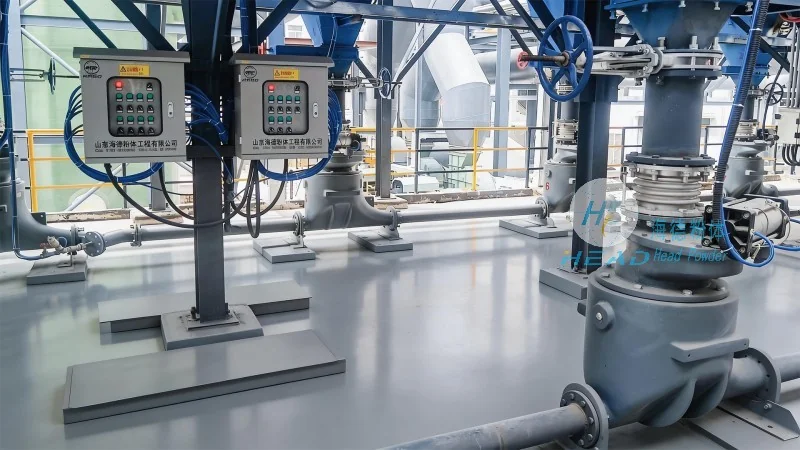
A sawdust and wood flour powder conveyor is a specialized piece of equipment designed to transport fine particulate materials, such as sawdust and wood flour, from one location to another within a manufacturing or processing facility. These materials are often produced as byproducts of woodworking operations and are commonly used in applications like particle board production, animal feed, or as raw materials for other composite products. The primary challenge in handling these powders is their propensity to flow poorly, create dust, or form agglomerates, which can lead to blockages or reduced efficiency in traditional conveyor systems. To address these challenges, specialized designs incorporate features that maintain material flow, minimize dust generation, and ensure reliable operation.
Key Design Principles for Efficient Powder Handling
The design of a sawdust and wood flour powder conveyor is centered on several critical principles to ensure optimal performance. First, the system must maintain a consistent, uniform flow of the material to prevent segregation or uneven distribution. This is achieved through the use of inclined or horizontal configurations, often with internal components like augers, screws, or pneumatic ducts that gently move the powder without causing excessive pressure or friction. Second, the conveyor must minimize the generation of dust and airborne particles, which is essential for maintaining a safe working environment and complying with occupational health regulations. This is typically accomplished through enclosed or semi-enclosed designs, as well as the use of sealing mechanisms that prevent material leakage or escape.
Core Components and Operational Mechanisms
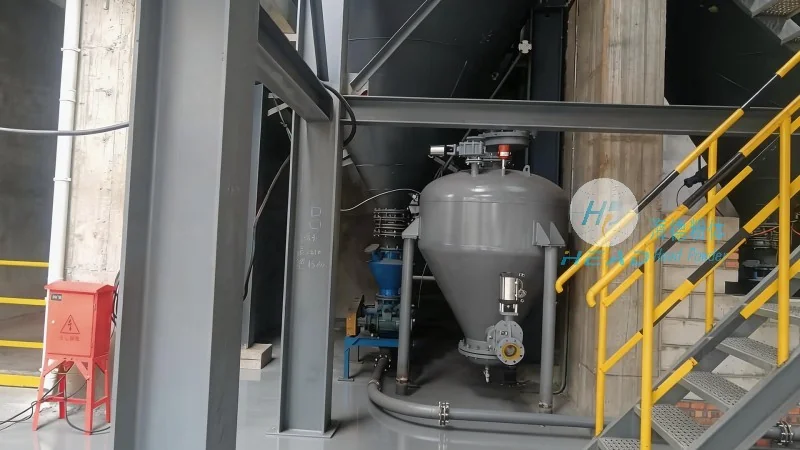
At the heart of a sawdust and wood flour powder conveyor are several key components that work in tandem to achieve efficient material transport. The most common type is the screw conveyor, which uses a rotating helical screw to move the material forward. The screw's pitch and diameter are carefully selected to match the specific characteristics of the sawdust or wood flour, ensuring that the material is moved without excessive pressure or degradation. Another critical component is the hopper or feed inlet, which is designed to accommodate the bulk material and feed it into the conveyor system smoothly. The hopper often includes a discharge valve or gate to control the flow rate, preventing overloading or blockages. Additionally, many systems incorporate a dust collection or filtration system to capture any airborne particles, further enhancing safety and compliance.
Applications and Industries Benefiting from This Technology
Sawdust and wood flour powder conveyors are widely used across various industries that require the efficient handling of fine particulate materials. In the wood processing industry, these systems are essential for transporting sawdust from sawmills to storage or processing facilities, where it can be used to produce particle board, fiberboard, or other composite products. The construction industry also benefits from these conveyors when handling wood flour for insulation or other building materials. Additionally, the animal feed industry uses sawdust and wood flour as ingredients in feed formulations, and specialized conveyors ensure that these materials are transported safely and efficiently to processing plants. The pharmaceutical and food processing industries may also utilize similar systems for handling fine powders, though with additional considerations for hygiene and contamination control.
Advantages of Using a Sawdust and Wood Flour Powder Conveyor
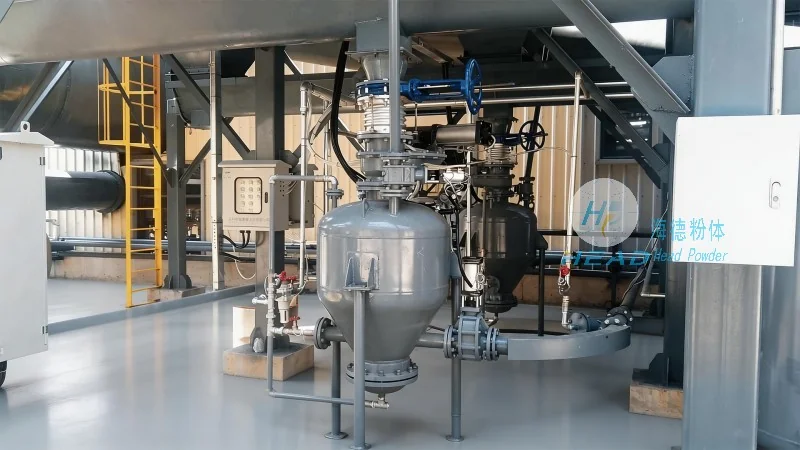
Implementing a sawdust and wood flour powder conveyor offers several advantages over traditional methods of material handling. First, these systems provide a highly efficient and reliable means of transporting fine powders, reducing the risk of blockages or material loss. The enclosed design minimizes dust generation, creating a safer working environment and reducing the need for extensive cleaning or maintenance. Additionally, the gentle handling of the material prevents degradation or agglomeration, which can improve the quality of the final product. The modular design of many conveyor systems allows for easy integration with existing production lines, reducing downtime and installation costs. Finally, the energy efficiency of these systems, particularly when using screw or pneumatic designs, can lead to long-term cost savings and reduced operational expenses.
Conclusion: Choosing the Right Powder Conveyor for Your Needs
For industries dealing with sawdust and wood flour, selecting the appropriate powder conveyor is critical to ensuring efficient, safe, and cost-effective material handling. The design principles discussed above, including consistent flow, dust control, and reliable operation, are essential factors to consider when evaluating conveyor systems. By partnering with a reputable manufacturer like Shandong HeadPowder Engineering Co., Ltd., companies can access specialized expertise and tailored solutions that meet their specific operational requirements. Whether for wood processing, construction, or other applications, a well-designed sawdust and wood flour powder conveyor can significantly enhance productivity and operational safety.