

What is a Mine Powder Conveying System Equipment? What are its Design Principles?
Efficient and reliable powder conveying systems are crucial in the mining industry, enabling the safe and efficient transport of bulk materials such as ore, rock dust, and other fine particulate substances. For operations seeking advanced solutions tailored to their specific needs, understanding the components and design principles of modern mine powder conveying equipment is essential. This article explores the fundamental aspects of mine powder conveying systems, highlighting the expertise and engineering capabilities of Shandong HeadPowder Engineering Co., Ltd., a leading provider in the field.
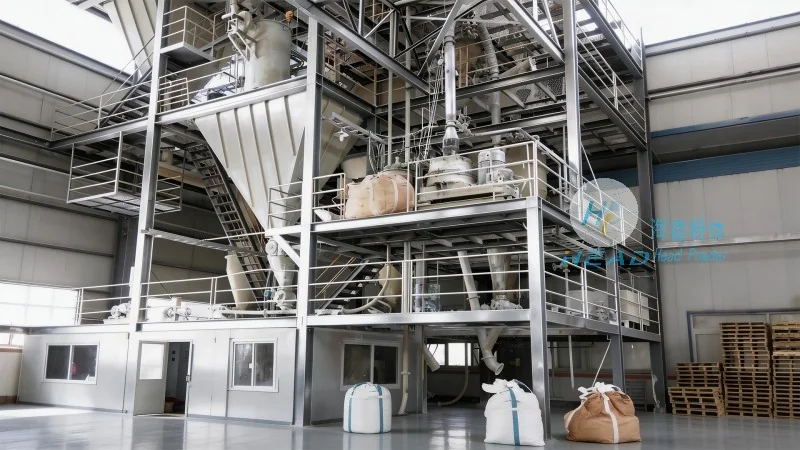
About Shandong HeadPowder Engineering Co., Ltd.
HeadPowder, the professional brand under Shandong HeadPowder Engineering Co., Ltd., is dedicated to delivering high-performance powder conveying solutions for mining and industrial applications. With a strong presence in China, particularly in Shandong province, the company leverages decades of experience and cutting-edge technology to design, manufacture, and supply equipment that meets the rigorous demands of the mining sector. HeadPowder's commitment to quality, safety, and innovation ensures that their systems are built to withstand harsh operating conditions while optimizing material handling efficiency.
What is a Mine Powder Conveying System Equipment?
A mine powder conveying system equipment is a specialized set of machinery and components designed to transport bulk powder materials within mining operations. These systems are engineered to handle a wide range of materials, from fine powders to larger particulate solids, with precision and reliability. The primary goal of such systems is to facilitate the movement of materials from extraction points to processing facilities, storage areas, or disposal sites, minimizing downtime and operational costs. Key components typically include feeders, conveyors (such as belt conveyors, pneumatic conveyors, or screw conveyors), control systems, and safety mechanisms. Each component works in harmony to ensure smooth, continuous material flow, adapting to varying material characteristics and operational requirements.
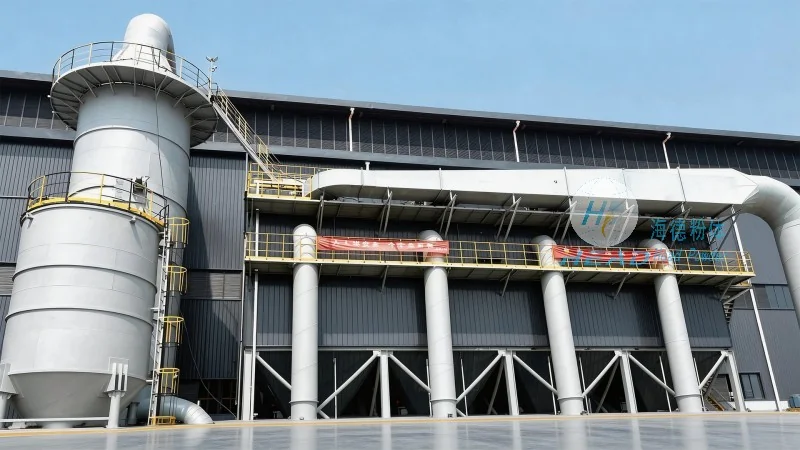
Design Principles of Mine Powder Conveying Systems
The design of mine powder conveying systems is guided by several critical principles aimed at maximizing efficiency, safety, and durability. First, the system must be tailored to the specific properties of the material being conveyed, including particle size, density, moisture content, and flowability. This involves selecting appropriate conveyor types and feeding mechanisms that minimize material degradation and ensure consistent flow. Second, the design emphasizes safety, incorporating features like explosion-proof components, dust suppression systems, and emergency stop mechanisms to protect personnel and equipment from hazards. Third, durability is a key consideration, as mining environments are often harsh and corrosive. Materials such as stainless steel, heavy-duty plastics, and corrosion-resistant coatings are used to extend the lifespan of the equipment. Fourth, energy efficiency is optimized through the use of variable speed drives, efficient motor selections, and aerodynamic designs that reduce power consumption. Finally, the system is designed for easy maintenance and integration with existing mining infrastructure, ensuring minimal disruption to operations.
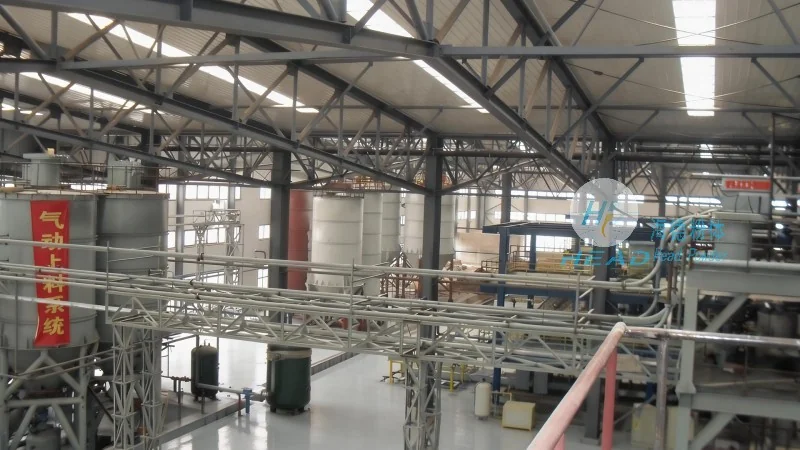
Key Advantages of HeadPowder's Mine Powder Conveying Systems
HeadPowder's mine powder conveying systems offer several advantages that set them apart in the market. These include enhanced material handling efficiency, reduced operational costs, improved safety, and increased system longevity. The company's systems are engineered to handle high volumes of material with minimal maintenance, resulting in lower downtime and higher productivity. Additionally, the use of advanced control systems allows for real-time monitoring and adjustment, ensuring optimal performance under varying conditions. The systems are also designed to minimize dust emissions, contributing to a safer working environment and compliance with environmental regulations. By leveraging their expertise in material science and mechanical engineering, HeadPowder provides customized solutions that address the unique challenges of each mining operation.
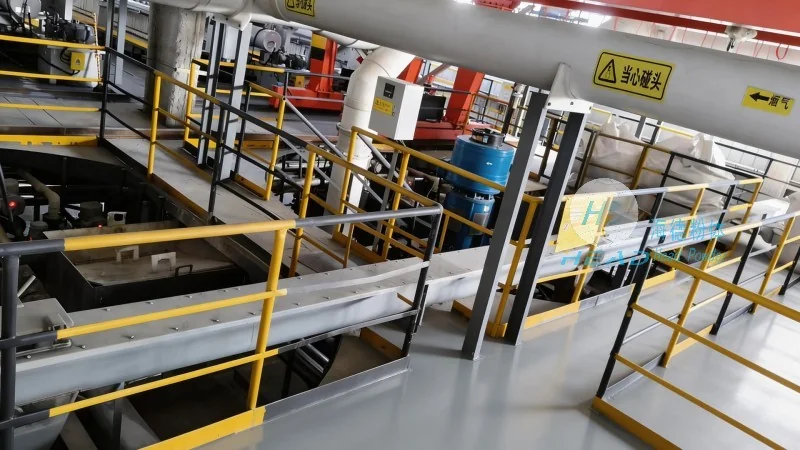
Applications in Mining Operations
Mine powder conveying systems are widely used in various stages of mining operations, from ore extraction to processing and waste management. In the extraction phase, these systems transport raw ore from the mine face to crushing and grinding facilities. During processing, they move fine powders to flotation or separation equipment. In waste management, they convey tailings or rock dust to disposal sites. The versatility of HeadPowder's systems makes them suitable for both underground and surface mining operations, adapting to different site conditions and material types. Whether handling abrasive materials like quartz or fine powders like coal dust, the systems are designed to deliver reliable performance and consistent material flow.
Conclusion
For mining operations seeking reliable and efficient powder conveying solutions, understanding the design principles and capabilities of modern mine powder conveying systems is essential. Shandong HeadPowder Engineering Co., Ltd., with its brand HeadPowder, offers advanced, customized systems that meet the demanding requirements of the mining industry. By focusing on material-specific design, safety, durability, and energy efficiency, HeadPowder's systems provide long-term value and operational excellence. As the mining sector continues to evolve, the importance of robust powder conveying equipment will only grow, making it a critical investment for any operation aiming to enhance productivity and safety.