

What is a Gypsum Particle Pneumatic Conveying System? And What Are Its Design Principles?
Gypsum particle pneumatic conveying systems are specialized industrial equipment designed to transport dry gypsum particles through a pipeline using air or other gas as the conveying medium. This technology is widely used in the construction materials industry, particularly for handling gypsum products such as plaster, drywall, and other building materials. The system efficiently moves bulk materials from one location to another without the need for mechanical components like belts or buckets, making it ideal for applications where dust control and minimal maintenance are critical.
The Core Design Principles of Gypsum Particle Pneumatic Conveying Systems
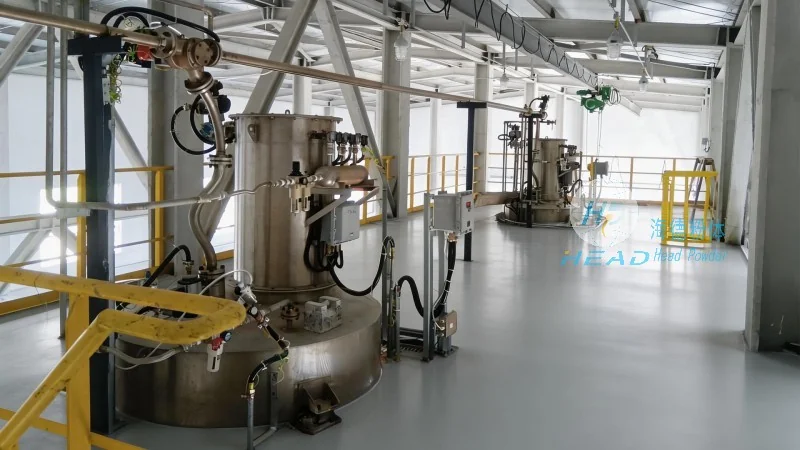
The design of a gypsum particle pneumatic conveying system is based on several fundamental principles that ensure efficient and reliable material transport. The primary principle is the use of air pressure to create a flow of material through the pipeline. The system typically consists of a hopper for material storage, a feeder to control the flow rate, a pipeline network, and a receiver to collect the conveyed material. The air is introduced into the system through a blower or compressor, which generates the necessary pressure to move the gypsum particles. The design must consider factors such as particle size, density, and moisture content, as these properties affect the conveying velocity and system efficiency. Additionally, the system is engineered to minimize pressure drop along the pipeline, which is crucial for maintaining consistent flow rates and preventing material deposition or blockages.
Key Components and Their Functions in a Gypsum Particle Pneumatic Conveying System
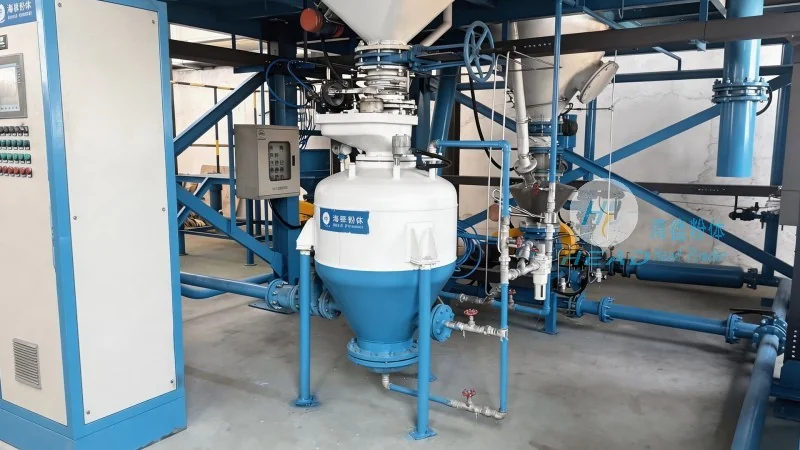
Several key components work together to ensure the smooth operation of a gypsum particle pneumatic conveying system. The hopper serves as the storage vessel for the gypsum material, providing a consistent feed to the feeder. The feeder, often a rotary valve or a screw feeder, regulates the flow rate of the material into the pipeline, preventing overloading and ensuring a steady supply. The pipeline itself is typically made of stainless steel or other corrosion-resistant materials to handle the gypsum particles and the conveying air. The blower or compressor is the power source, generating the air pressure required to move the material. The pipeline may include bends, elbows, and other fittings, which are designed to minimize pressure loss and maintain the flow. The receiver is the final component, where the conveyed gypsum is collected, often equipped with a dust collection system to control airborne particles and maintain a clean working environment.
Advantages of Using Gypsum Particle Pneumatic Conveying Systems
Implementing a gypsum particle pneumatic conveying system offers several advantages over traditional mechanical conveying methods. One of the most significant benefits is the ability to transport materials in a dust-free environment, which improves workplace safety and reduces the risk of respiratory issues for workers. The system also minimizes material degradation, as the particles are not subjected to friction or impact from mechanical components. Additionally, pneumatic conveying systems are more flexible in terms of layout, as the pipeline can be routed around obstacles and in various configurations. They also require less maintenance compared to mechanical systems, as there are fewer moving parts that can wear out or break. The efficiency of the system in terms of energy consumption and material handling capacity makes it a cost-effective solution for large-scale gypsum processing and distribution.
Applications of Gypsum Particle Pneumatic Conveying Systems
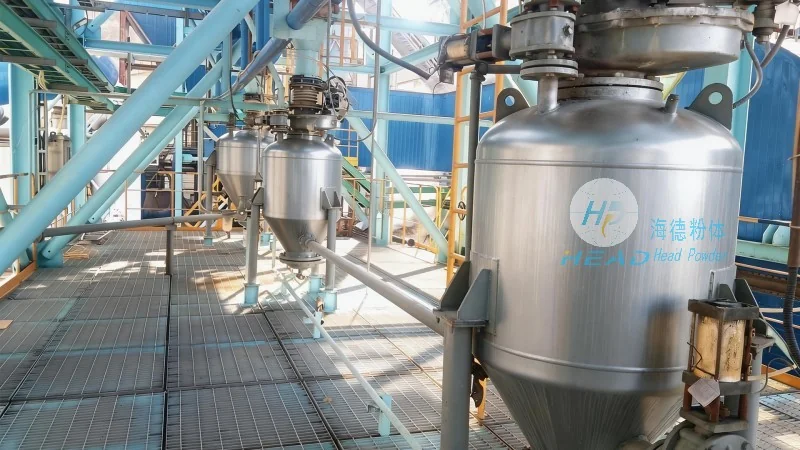
Gypsum particle pneumatic conveying systems are widely used in various applications within the construction and building materials industry. They are commonly employed in gypsum board manufacturing plants, where large quantities of gypsum powder are transported from storage to production lines. The system is also used in plaster and drywall production facilities, where the material is conveyed from raw material storage to mixing and processing areas. Additionally, in construction sites, pneumatic conveying systems can be used to transport gypsum products from storage areas to job sites, reducing the need for manual handling and improving material delivery efficiency. The versatility of the system allows it to be adapted to different production scales and material types, making it a valuable asset in gypsum processing operations.
About Shandong HeadPowder Engineering Co., Ltd.
Shandong HeadPowder Engineering Co., Ltd., commonly known as HeadPowder, is a leading manufacturer and supplier of industrial conveying systems, including gypsum particle pneumatic conveying equipment. The company is headquartered in Shandong, China, and specializes in designing, manufacturing, and installing customized pneumatic conveying solutions tailored to the specific needs of the construction materials industry. HeadPowder's team of engineers and technicians has extensive experience in developing efficient and reliable conveying systems that meet the highest standards of performance and safety. The company's commitment to quality and customer satisfaction has earned it a reputation as a trusted partner in the industry, providing innovative solutions that enhance productivity and reduce operational costs for its clients. With a focus on research and development, HeadPowder continuously improves its products to meet the evolving demands of the market, ensuring that its customers have access to the most advanced and effective conveying technologies available.