

What is a Soil Pneumatic Conveying System? What Are Its Design Principles?
Soil pneumatic conveying systems are specialized equipment used for the efficient transport of soil and other granular materials through a pressurized air stream. These systems are essential in various industries, including construction, mining, and environmental remediation, where the need to move bulk materials over short to medium distances without the need for traditional conveyor belts or trucks is critical. The design of such systems involves a combination of engineering principles, material science, and operational considerations to ensure optimal performance, reliability, and cost-effectiveness. Shandong HeadPowder Engineering Co., Ltd. specializes in the design and manufacturing of soil pneumatic conveying systems, providing customized solutions tailored to the specific needs of clients in these industries.
Understanding the Core Components of a Soil Pneumatic Conveying System
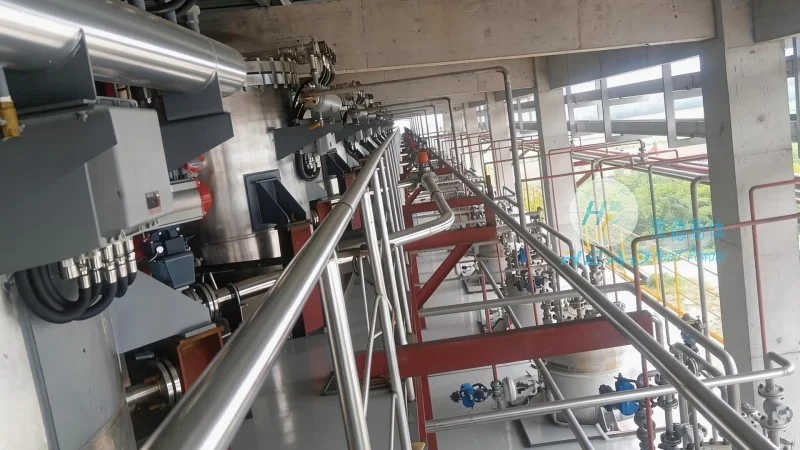
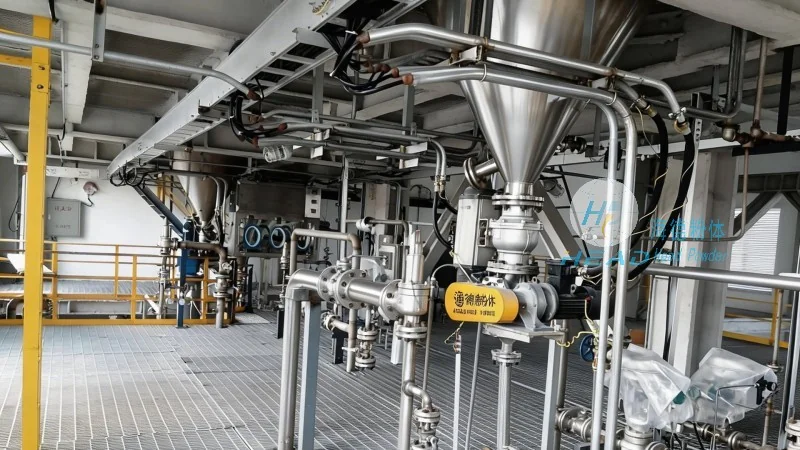
A typical soil pneumatic conveying system consists of several key components that work in tandem to facilitate material transport. The primary components include a material hopper or feeder, a conveying line (usually made of metal or plastic pipes), a blower or compressor to generate the air pressure, and a receiver or discharge hopper where the material is deposited. Each component plays a crucial role in the overall functionality of the system. The material hopper is designed to hold the soil or granular material and feed it into the conveying line at a controlled rate. This ensures a consistent flow of material, preventing blockages and maintaining system efficiency. The conveying line is typically made of durable materials like stainless steel or high-density polyethylene (HDPE) to withstand the pressure and abrasion from the material being transported. The blower or compressor is the heart of the system, providing the necessary air pressure to move the material through the line. The pressure levels can vary depending on the distance and material characteristics, with higher pressures required for longer distances or more abrasive materials. The receiver or discharge hopper collects the material at the end of the conveying line, allowing for easy unloading and further processing.
The Design Principles Behind Soil Pneumatic Conveying Systems
The design of a soil pneumatic conveying system is based on several fundamental principles that ensure its effectiveness and reliability. The first principle is the Bernoulli principle, which relates to the relationship between pressure, velocity, and elevation in a fluid system. In pneumatic conveying, the air velocity is increased to create a suction effect that lifts and transports the material particles. The system is designed to maintain a consistent air velocity throughout the conveying line to prevent material deposition or blockages. Another key principle is the particle size and density, as these factors influence the required air pressure and flow rate. Larger or denser particles may require higher air velocities and pressures to ensure proper transport. The system design also considers the material's moisture content and flowability, as overly wet or cohesive materials may need additional measures like pre-drying or the use of additives to improve their transportability. Additionally, the system must be designed to handle variations in material feed rate and line length, ensuring that the air pressure and flow rate can be adjusted as needed to maintain optimal performance.
Operational Considerations and Maintenance of Soil Pneumatic Conveying Systems
Proper operation and maintenance are critical to the longevity and efficiency of a soil pneumatic conveying system. Regular inspection of the conveying line for signs of wear or damage is essential to prevent leaks or blockages. The blower or compressor should be checked for proper air pressure and flow rates, as any deviations can affect the system's performance. The material hopper and receiver should be kept clean to prevent material buildup or contamination. In addition, the system should be equipped with safety features such as pressure relief valves to prevent over-pressurization and air filters to maintain air quality. The design of the system should also consider the environmental impact, such as minimizing dust emissions and ensuring compliance with local regulations. By adhering to these operational and maintenance guidelines, users can maximize the lifespan and performance of their soil pneumatic conveying systems, ensuring consistent and reliable material transport.
Applications and Benefits of Soil Pneumatic Conveying Systems
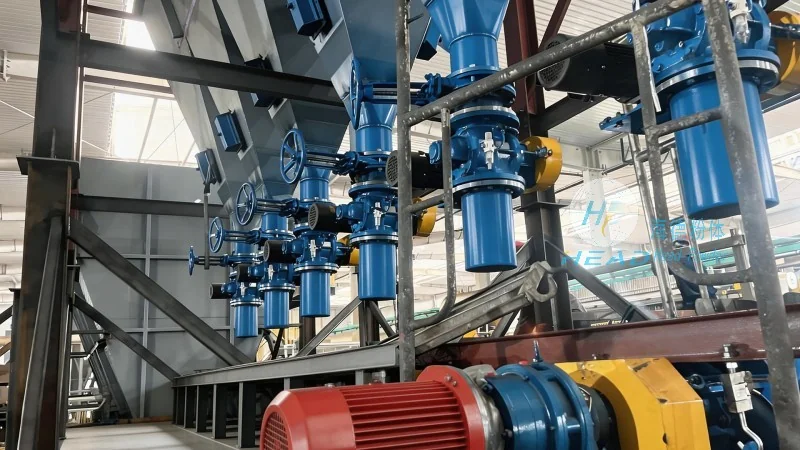
Soil pneumatic conveying systems are widely used in various applications where the transport of bulk materials is required. In construction projects, these systems are used to move soil from excavation sites to disposal or reuse areas, reducing the need for heavy machinery and labor. In mining operations, they are used to transport ore or tailings over short distances, improving operational efficiency and reducing costs. In environmental remediation projects, they are used to move contaminated soil for treatment or disposal, ensuring that the material is handled safely and efficiently. The benefits of using soil pneumatic conveying systems include increased productivity, reduced labor costs, and improved safety compared to traditional methods. The systems are also more flexible, as they can be easily reconfigured to accommodate changes in material feed rates or line length. Additionally, they are more environmentally friendly, as they reduce the need for trucks and other vehicles that contribute to air pollution and traffic congestion.
Conclusion: The Importance of Proper Design and Implementation
In conclusion, soil pneumatic conveying systems are an essential tool for the efficient transport of soil and other granular materials. The design of these systems is based on fundamental engineering principles and must be tailored to the specific requirements of the application. Proper operation and maintenance are critical to ensuring the system's longevity and performance. The benefits of using these systems include increased productivity, reduced costs, and improved safety. As the demand for efficient material transport continues to grow, soil pneumatic conveying systems will remain a vital component in various industries. By understanding the design principles and operational considerations, users can select and implement the most suitable system for their needs, ensuring optimal performance and reliability.