

Principle of Bauxite Pneumatic Conveying Equipment
For industrial applications involving the transport of bauxite, efficient and reliable material handling solutions are crucial. Bauxite, a primary ore used in aluminum production, requires specialized equipment to ensure safe and effective movement from storage to processing units. The bauxite pneumatic conveying equipment, developed by Shandong HeadPowder Engineering Co., Ltd., addresses these needs through a sophisticated system that leverages air pressure to transport bulk materials.
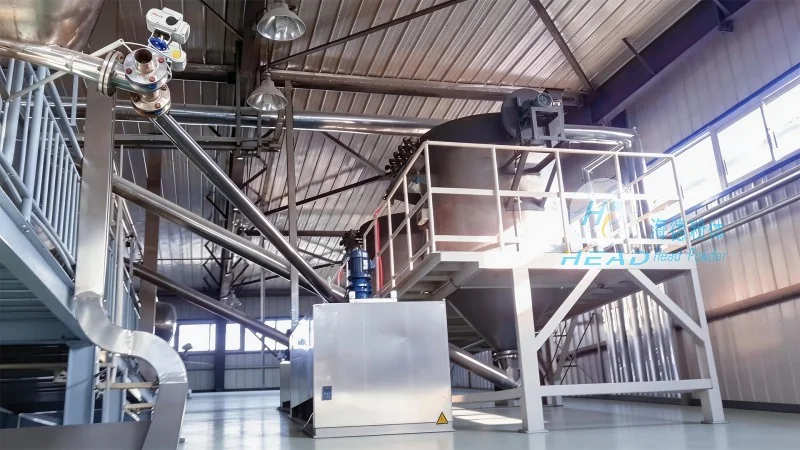
Overview of Bauxite Pneumatic Conveying Systems
Bauxite pneumatic conveying systems are engineered to handle the unique characteristics of bauxite, including its particle size, density, and moisture content. These systems are designed to minimize material degradation and ensure consistent flow rates, which are critical for maintaining the quality of the final aluminum product. The equipment is typically composed of several key components, including a hopper for material storage, a conveyor line, and a control system that regulates air pressure and flow.
The Working Principle of Pneumatic Conveying
The core principle of bauxite pneumatic conveying is the use of compressed air to create a flow of material through a pipeline. As air is introduced into the system, it creates a pressure differential that propels the bauxite particles forward. The system can operate in either positive or negative pressure modes, depending on the specific requirements of the application. In positive pressure systems, air is forced into the conveying line, while negative pressure systems draw material into the line using vacuum. The choice between these modes depends on factors such as the distance to be covered and the material's properties.
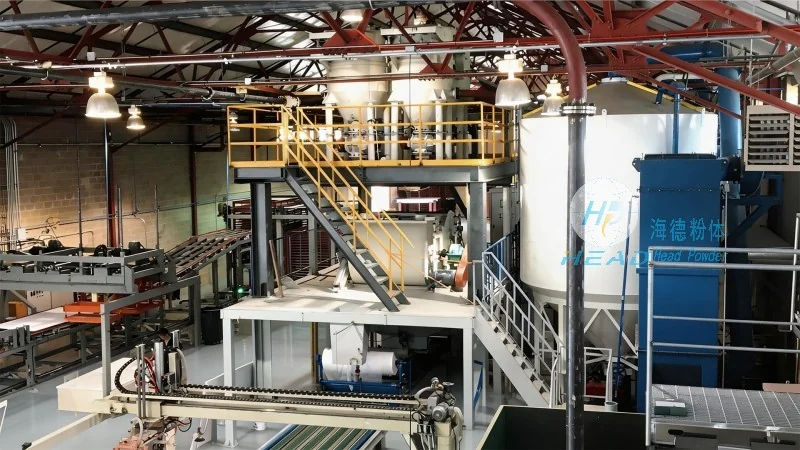
Key Components and Their Functions
Several critical components work in tandem to ensure the smooth operation of the bauxite pneumatic conveying system. The hopper, where bauxite is stored, is equipped with a feeder that controls the rate of material discharge. This feeder is essential for maintaining a consistent flow rate, preventing blockages, and ensuring that the material is conveyed at an optimal speed. The conveyor line itself is made of durable materials, such as stainless steel or high-grade plastic, to withstand the abrasive nature of bauxite particles and resist corrosion. The control system, which monitors air pressure, flow rate, and material level, provides real-time feedback and adjusts parameters as needed to maintain efficiency.
Advantages of Bauxite Pneumatic Conveying Equipment
Compared to traditional mechanical conveying methods, bauxite pneumatic conveying offers several advantages. One of the most significant benefits is the ability to transport materials over long distances without the need for multiple transfer points. This reduces the risk of material spillage and contamination, which are common issues with mechanical systems. Additionally, pneumatic conveying is less prone to blockages and can handle a wide range of particle sizes and moisture levels. The system also provides better control over the material's temperature and humidity, which is vital for preserving the quality of bauxite before it enters the processing stage.
Application in Bauxite Processing
Bauxite pneumatic conveying equipment is widely used in the aluminum industry, particularly in the stages of ore storage, preparation, and transport to the smelting plant. The equipment is integrated into the overall production line, ensuring that bauxite is moved efficiently from the mine or storage facility to the processing units. The system's ability to handle large volumes of material at high speeds makes it ideal for industrial-scale operations. Furthermore, the equipment's design allows for easy integration with other processing equipment, such as crushers and classifiers, to form a seamless material handling workflow.
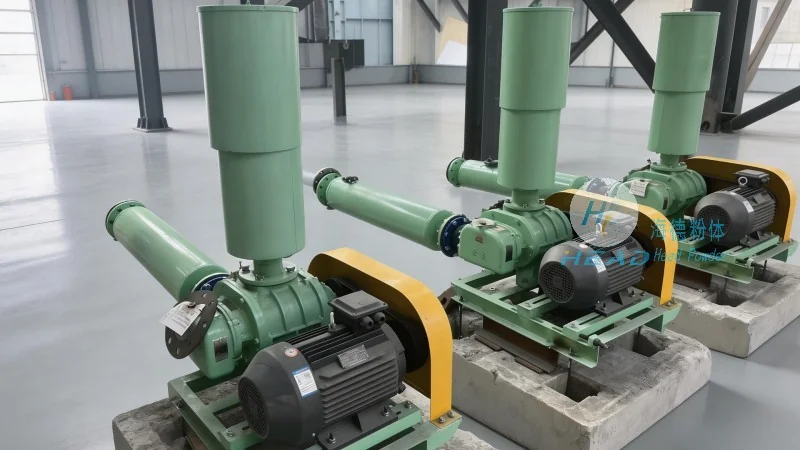
Maintenance and Operational Considerations
Proper maintenance is essential to ensure the longevity and efficiency of bauxite pneumatic conveying equipment. Regular inspections of the conveyor line, feeder, and control system are necessary to identify and address any issues before they lead to system failure. The use of high-quality materials and components, such as wear-resistant liners and efficient air filters, can extend the lifespan of the equipment and reduce downtime. Operational considerations also include monitoring air pressure and flow rates to prevent excessive wear on components and ensure consistent material transport. By adhering to proper maintenance protocols and operational guidelines, users can maximize the performance and reliability of the bauxite pneumatic conveying system.
Conclusion
Bauxite pneumatic conveying equipment, as developed by Shandong HeadPowder Engineering Co., Ltd., represents a sophisticated solution for the efficient and reliable transport of bauxite in industrial applications. By leveraging the principles of pneumatic conveying, the system offers numerous advantages over traditional mechanical methods, including reduced risk of contamination, improved material handling efficiency, and enhanced control over processing parameters. With its robust design and comprehensive control system, this equipment is well-suited for large-scale bauxite processing operations, contributing to the overall productivity and quality of aluminum production.