

Introduction to Pharmaceutical Pneumatic Conveying: Understanding the Working Principles of Pneumati
Pharmaceutical pneumatic conveying systems represent a critical technology in the pharmaceutical manufacturing industry, enabling the safe, efficient, and hygienic transfer of powders and bulk materials. These systems are essential for processes ranging from raw material handling to final product packaging, ensuring compliance with stringent regulatory standards such as those set by the FDA and GMP (Good Manufacturing Practice) guidelines. The design and operation of these systems must prioritize cleanliness, minimal product contamination, and reliable performance to maintain product integrity and patient safety.
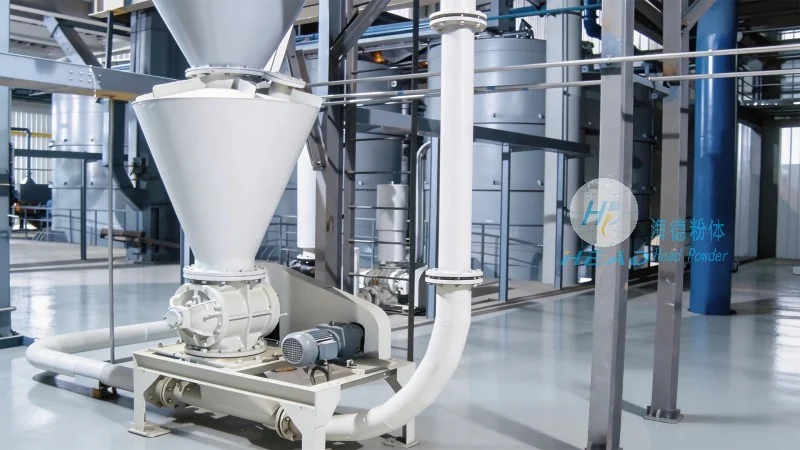
Overview of Pharmaceutical Pneumatic Conveying Systems
Pharmaceutical pneumatic conveying systems utilize air or other gases to transport powders and granules through a network of pipes and components. Unlike mechanical conveying methods, which rely on physical contact and friction, pneumatic systems employ a fluidized or suspended state of the material, reducing the risk of product degradation and cross-contamination. The core components of a typical pharmaceutical pneumatic conveying system include a material feed hopper, a conveying line (often equipped with filters and cleaning mechanisms), a receiver or discharge point, and a control system for regulating air pressure and flow. These components are constructed from materials such as stainless steel, PTFE-coated surfaces, or other FDA-approved materials to ensure compatibility with pharmaceutical-grade products and to facilitate easy cleaning and sanitization.
Working Principles of Pneumatic Conveying
The fundamental principle of pneumatic conveying is the creation of a pressure differential that lifts and propels the material through the system. In a typical system, a blower or compressor generates a high-pressure air stream, which is introduced into the conveying line. The material is then introduced into the system, either by gravity or via a feeder, and is suspended in the air stream as it travels through the pipes. The velocity of the air stream is carefully controlled to maintain the material in a suspended state, preventing it from settling or adhering to the pipe walls. The system may employ different conveying modes, such as dilute phase (where particles are dispersed in the air stream) or dense phase (where particles are more concentrated), depending on the material characteristics and process requirements. The receiver at the end of the line collects the conveyed material, and the air is typically filtered and recirculated to minimize waste and maintain system efficiency.
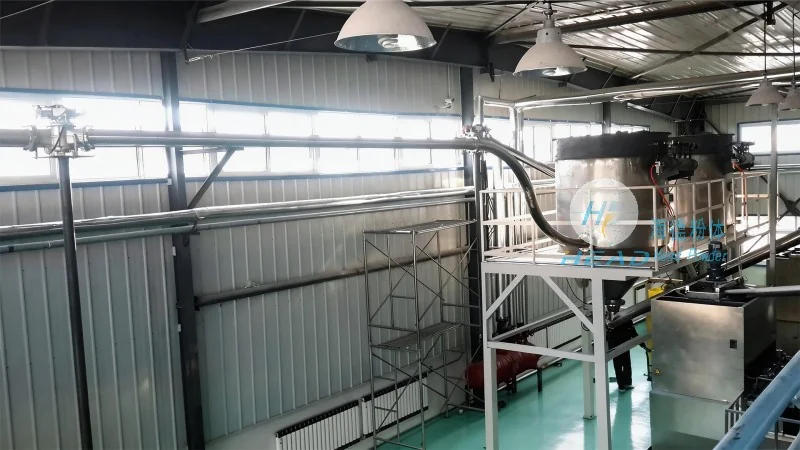
Key Advantages of Pharmaceutical Pneumatic Conveying
Pharmaceutical pneumatic conveying systems offer several advantages over traditional mechanical conveying methods. Firstly, they provide a closed system, which significantly reduces the risk of product exposure to contaminants, dust, or environmental factors. This is particularly important in pharmaceutical applications where product purity and sterility are paramount. Secondly, pneumatic systems are highly flexible, allowing for easy reconfiguration and adaptation to changing production needs. They can be scaled up or down to accommodate varying material volumes and can be integrated with other processing equipment, such as mixers, blenders, or packaging machines. Thirdly, these systems are energy-efficient, as they use air as the primary conveying medium, which is often less expensive and more readily available than mechanical power sources. Additionally, pneumatic conveying can reduce labor costs by automating material handling processes and minimizing the need for manual intervention, thereby improving overall operational efficiency.
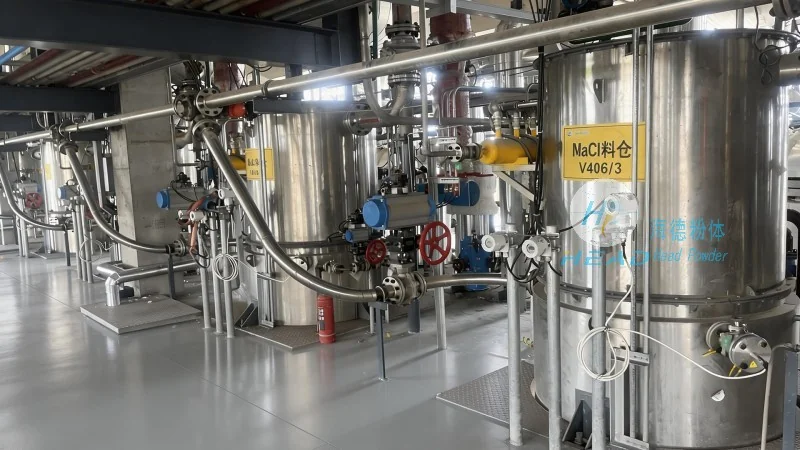
Design Considerations for Pharmaceutical Pneumatic Conveying Systems
The design of a pharmaceutical pneumatic conveying system must consider several critical factors to ensure optimal performance and compliance with industry standards. Material selection is a key consideration, as components must be constructed from materials that are non-reactive with the conveyed products and easy to clean. Stainless steel is commonly used for its corrosion resistance and hygienic properties, while PTFE-coated surfaces or food-grade plastics may be employed for specific applications. The system's layout and pipe design are also important, as they must minimize dead zones where material can accumulate and become contaminated. Proper cleaning and sanitization protocols are essential, and the system should be equipped with features such as CIP (Clean-In-Place) and SIP (Sterilize-In-Place) capabilities to ensure thorough cleaning and sterilization without disassembling the system. Additionally, the control system must be user-friendly and capable of monitoring key parameters such as air pressure, flow rate, and material level, providing real-time feedback and alerts for any deviations from optimal operating conditions.
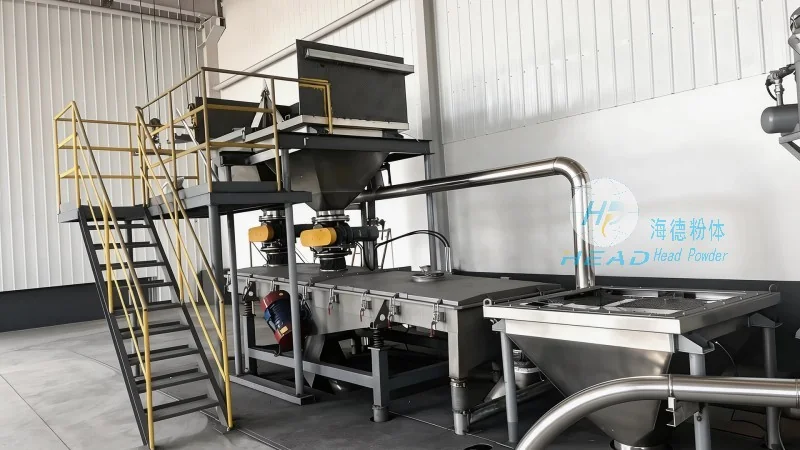
Applications in Pharmaceutical Manufacturing
Pharmaceutical pneumatic conveying systems are widely used in various stages of pharmaceutical manufacturing. In the raw material handling stage, these systems can transport raw powders, excipients, and active pharmaceutical ingredients (APIs) from storage silos to processing areas. During the manufacturing process, they can convey materials between different processing units, such as from a mixer to a tablet press or from a granulator to a dryer. In the final packaging stage, pneumatic systems can transport finished products or packaging materials to packaging lines, ensuring a seamless and efficient transition from production to distribution. The versatility of these systems makes them suitable for a wide range of pharmaceutical products, including oral solid dosage forms, injectables, and topical products. By integrating pneumatic conveying into the manufacturing process, pharmaceutical companies can enhance productivity, reduce downtime, and maintain high standards of product quality and safety.
Conclusion
Pharmaceutical pneumatic conveying systems are a vital component of modern pharmaceutical manufacturing, offering a reliable and efficient method for handling powders and bulk materials. The working principles of these systems, combined with careful design and operation, ensure that they meet the stringent requirements of the pharmaceutical industry. As the demand for high-quality pharmaceutical products continues to grow, the importance of these systems in maintaining product integrity and operational efficiency will only increase. Companies like Shandong HeadPowder Engineering Co., Ltd., based in China, play a crucial role in providing advanced pneumatic conveying solutions tailored to the specific needs of pharmaceutical manufacturers, helping them to achieve their production goals while adhering to regulatory standards.