

Components of Fine Light Sand Pneumatic Conveying
Understanding the components of fine light sand pneumatic conveying systems is crucial for optimizing material handling processes in various industrial applications. This article provides a detailed overview of the key elements that constitute such systems, ensuring clarity and practical insights for professionals in the field.
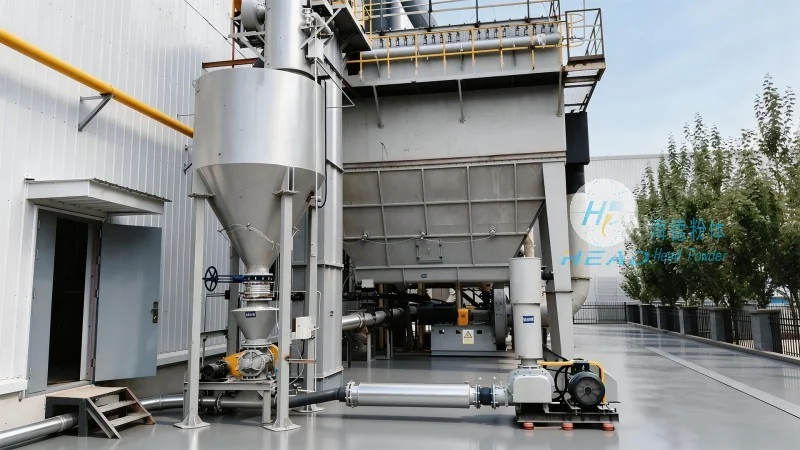
Key Components of Fine Light Sand Pneumatic Conveying
The foundation of any pneumatic conveying system for fine light sand lies in its integrated components, each serving a specific function to facilitate smooth material transport. The primary elements include the material feed system, conveying lines, air supply units, and control mechanisms. Each component is meticulously engineered to address the characteristics of fine light sand, such as its low bulk density and tendency to create dust during handling.
Material Feed System
The material feed system is the initial stage where fine light sand is introduced into the conveying process. This component typically consists of a hopper or bin that stores the material, equipped with a feeder mechanism like a rotary valve or screw feeder. The feeder regulates the flow rate, ensuring a consistent supply of sand to the conveying line. For fine light sand, the design of the hopper and feeder is critical to prevent material bridging or clogging, which can disrupt the entire system. The material feed system also incorporates dust collection and filtration to maintain air quality and prevent contamination.
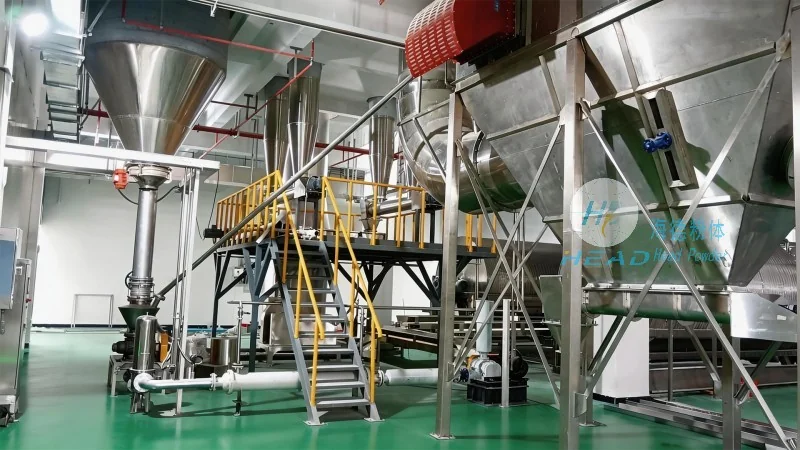
Conveying Lines and Air Supply
The conveying lines, often made of stainless steel or other corrosion-resistant materials, are the pathways through which fine light sand is transported. These lines are designed to handle the low pressure and low velocity required for fine materials, minimizing particle degradation and ensuring efficient transport. The air supply unit, usually a blower or compressor, generates the necessary airflow to move the material. The pressure and flow rate of the air are carefully controlled to match the material's characteristics and the system's capacity. In some configurations, the conveying lines may include bends, elbows, or expansion joints to accommodate changes in direction or elevation, ensuring the material travels smoothly without excessive pressure loss.
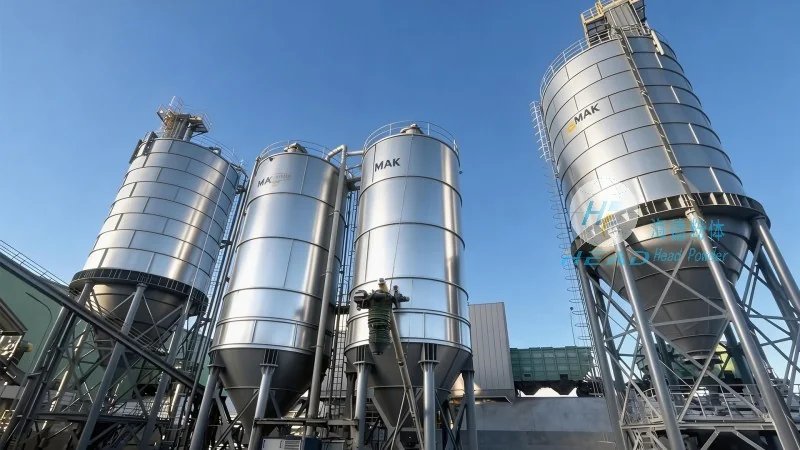
Control and Monitoring Systems
Advanced control and monitoring systems are integral to fine light sand pneumatic conveying, enabling real-time management and optimization of the process. These systems typically include sensors for pressure, flow, and material level, as well as control valves and automation software. The sensors provide data on the system's performance, allowing operators to adjust parameters such as air pressure or feed rate in response to changes in material conditions or system load. The control system ensures that the conveying process operates within safe and efficient parameters, preventing overloading or underperformance. Additionally, monitoring features may include alarms for low air pressure, high temperature, or abnormal flow, enhancing operational safety and reducing downtime.
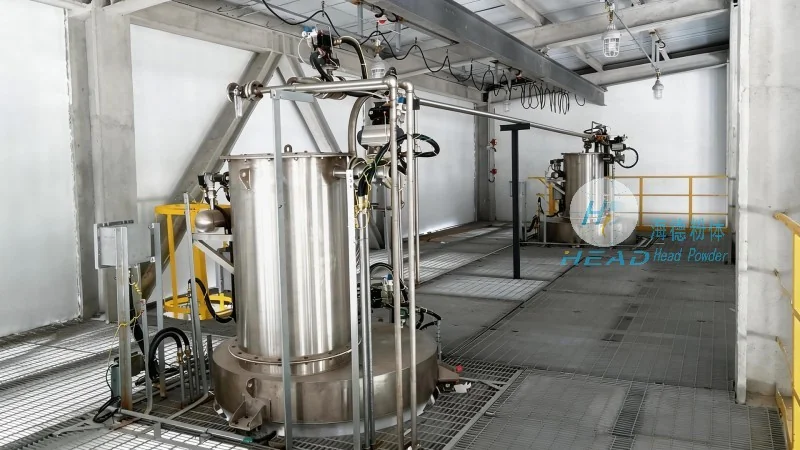
Company Overview: Shandong HeadPowder Engineering Co., Ltd.
Shandong HeadPowder Engineering Co., Ltd., operating under the brand name headpowder, specializes in the design, manufacturing, and installation of pneumatic conveying systems tailored to the needs of various industries. With a focus on fine light sand applications, the company leverages decades of experience and cutting-edge technology to deliver high-quality solutions. HeadPowder's commitment to innovation and customer satisfaction has established it as a trusted partner in material handling, providing systems that enhance productivity and reduce operational costs. The company's headquarters is located in Shandong, China, where it maintains a state-of-the-art facility for research, development, and production.
Applications and Benefits of Fine Light Sand Pneumatic Conveying
Fine light sand pneumatic conveying systems are widely used in industries such as construction, mining, and chemical processing, where the efficient transport of fine materials is essential. The benefits of these systems include reduced labor costs, minimized material loss, and improved safety compared to traditional methods like bucket elevators or belt conveyors. The systems are also highly adaptable, capable of handling various types of fine light sand with different properties. Additionally, the enclosed design of pneumatic conveying systems helps to control dust and maintain a clean working environment, which is crucial in industries where air quality is a concern. By optimizing the components and operation of the system, companies can achieve significant improvements in productivity and operational efficiency.