

Efficient Pneumatic Conveying Systems for Silicate Material Transport Solutions
Silicate materials, such as kaolin, talc, and other fine powders, present unique challenges in industrial processing due to their particle size, moisture content, and flow characteristics. Traditional bulk material handling methods often struggle with these properties, leading to issues like dust generation, blockages, and inefficient transport. Pneumatic conveying systems offer a reliable and efficient solution to address these challenges, ensuring safe, clean, and continuous material transport. This article explores how pneumatic conveying technology effectively tackles the complexities of silicate material handling, highlighting the benefits and applications of such systems in industrial settings.
Understanding Silicate Materials and Their Handling Requirements
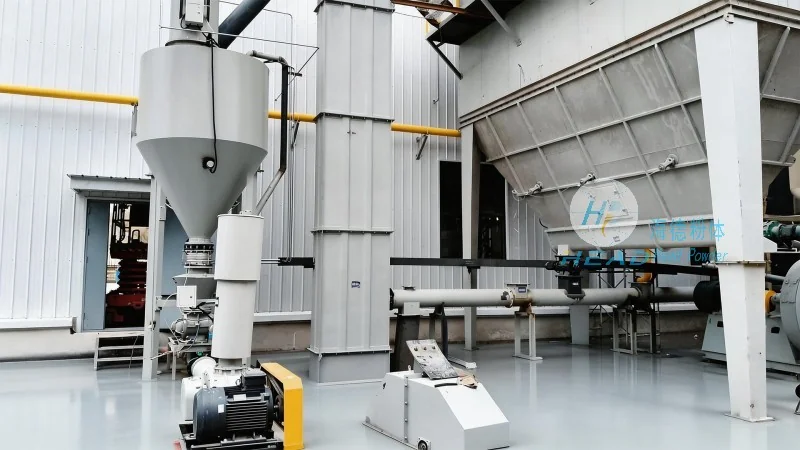
Silicate materials are widely used in various industries, including ceramics, pharmaceuticals, and cosmetics, due to their inert nature and desirable physical properties. However, their fine particle size and tendency to agglomerate make conventional handling methods less effective. For example, in the ceramics industry, kaolin is a critical raw material whose uniform distribution and low dust generation are essential for product quality. Traditional methods like bucket elevators or belt conveyors may cause particle breakdown or excessive dust, compromising both product integrity and worker safety. Pneumatic conveying systems, by contrast, use air to transport materials in a closed or semi-closed system, minimizing contamination and ensuring consistent flow.
How Pneumatic Conveying Systems Work
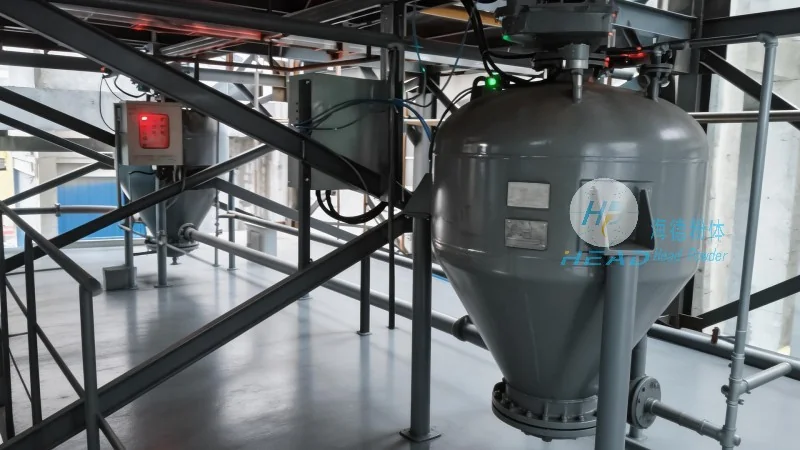
Pneumatic conveying systems operate by using compressed air to move bulk materials through a pipeline. There are two main types: dilute phase and dense phase. Dilute phase systems use high-velocity air to transport materials in a dispersed state, suitable for fine powders like silicates. Dense phase systems, on the other hand, use lower air velocities and higher material concentrations, ideal for handling larger particles or materials prone to clogging. The system typically includes a hopper, a blower or compressor, a pipeline network, and a discharge device. The hopper feeds the material into the system, while the blower generates the necessary air pressure to move the material through the pipeline. The discharge device then collects the material at the destination, completing the transport process. This closed-loop system ensures minimal dust exposure and environmental impact, making it suitable for applications where cleanliness and safety are paramount.
Key Benefits of Pneumatic Conveying for Silicate Materials
Implementing pneumatic conveying systems for silicate materials offers several advantages over traditional handling methods. First, it significantly reduces dust generation, which is crucial for maintaining a safe working environment and complying with environmental regulations. Silicate powders are often fine and can become airborne easily, posing health risks to workers and requiring extensive dust control measures. Pneumatic systems, by transporting materials in a sealed pipeline, contain dust and prevent it from escaping into the workplace. Second, these systems improve material flow consistency, ensuring uniform distribution of silicate powders in processing lines. This consistency is vital for maintaining product quality and reducing waste. For instance, in the production of ceramic tiles, uniform kaolin distribution directly impacts the final product's strength and appearance. Third, pneumatic conveying systems enhance operational efficiency by eliminating the need for manual handling or frequent equipment maintenance associated with traditional conveyors. The automated process reduces labor costs and downtime, leading to higher productivity. Additionally, the closed system design minimizes material loss and contamination, preserving the purity of silicate materials, which is essential for applications in pharmaceuticals or cosmetics where material quality directly affects product efficacy.
Applications of Pneumatic Conveying in Silicate Processing
Pneumatic conveying systems are widely applied in various stages of silicate material processing. In the mining and extraction phase, these systems efficiently transport raw silicate ores from storage bins to processing plants. The ability to handle fine powders without clogging makes them ideal for this initial stage. During the grinding and milling process, pneumatic conveying is used to move ground silicates from mills to storage silos or packaging lines. This ensures a continuous flow of material, preventing bottlenecks in the production line. In the final processing stage, such as blending or mixing, pneumatic systems are used to distribute silicate powders evenly with other ingredients. This uniform mixing is critical for achieving the desired product properties, such as color, texture, and strength. For example, in the production of talc-based cosmetics, precise blending of talc with other components is essential for product quality. The consistent flow and low dust generation of pneumatic conveying systems ensure that the final product meets the required standards. Furthermore, these systems are adaptable to different production scales, from small-scale laboratory operations to large industrial plants, making them a versatile solution for silicate material handling across various industries.
Choosing the Right Pneumatic Conveying System for Silicate Materials
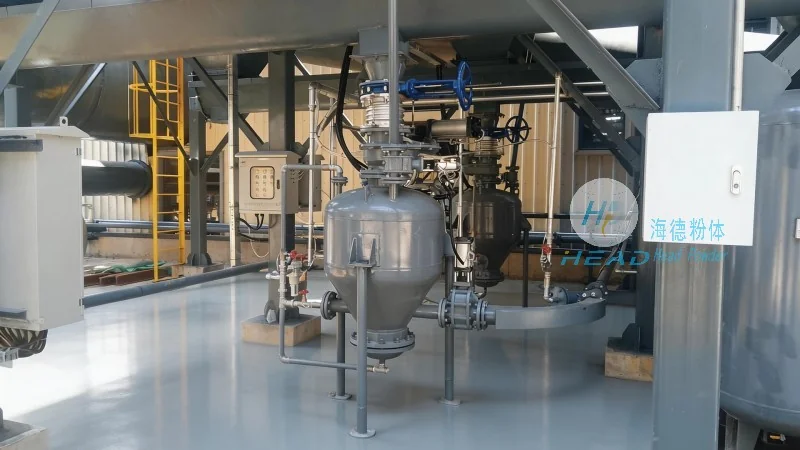
Selecting the appropriate pneumatic conveying system for silicate materials requires careful consideration of several factors. The first consideration is the material's properties, including particle size, moisture content, and flowability. Fine silicate powders, such as kaolin, are best suited for dilute phase systems due to their ability to be transported in a dispersed state. Larger or more cohesive particles may require dense phase systems to prevent clogging. The second factor is the distance and layout of the transport route. For short distances, a simple pipeline with a single blower may suffice. For longer distances or complex layouts, multiple blowers or booster systems may be necessary to maintain sufficient air pressure. The third factor is the required flow rate and pressure. The system must be capable of handling the desired material volume while maintaining the necessary air pressure to avoid material degradation or system failure. Additionally, the system's compatibility with the existing infrastructure and the need for dust control measures should be evaluated. Consulting with a specialized engineering company, such as Shandong HeadPowder Engineering Co., Ltd., can provide expert guidance in selecting the most suitable pneumatic conveying system for specific silicate material handling needs.
Conclusion: The Role of Pneumatic Conveying in Modern Silicate Processing
Pneumatic conveying systems have become an indispensable technology in the handling of silicate materials, offering a reliable and efficient solution to the challenges posed by these fine powders. By minimizing dust generation, ensuring consistent material flow, and enhancing operational efficiency, these systems contribute significantly to the quality and safety of silicate-based products. As industries continue to demand higher standards in material handling, the adoption of advanced pneumatic conveying systems will remain crucial. Companies like Shandong HeadPowder Engineering Co., Ltd. play a vital role in providing tailored solutions that meet the specific needs of silicate material processing, ensuring that industrial operations run smoothly and sustainably. The integration of pneumatic conveying technology into silicate processing not only improves current operations but also supports the long-term growth and competitiveness of businesses in the industry.