

Application and Optimization of Pneumatic Conveying Technology in White Sugar Conveying Design
White sugar, a fundamental component in the food and beverage sector, demands efficient and safe transportation systems to maintain its quality during handling. Pneumatic conveying technology has become a pivotal solution for the seamless transfer of white sugar from storage to processing stages. This article examines the application and optimization of pneumatic conveying systems specifically engineered for white sugar, highlighting technical advancements and practical benefits that enhance operational efficiency in sugar processing facilities.
Understanding Pneumatic Conveying in White Sugar Handling
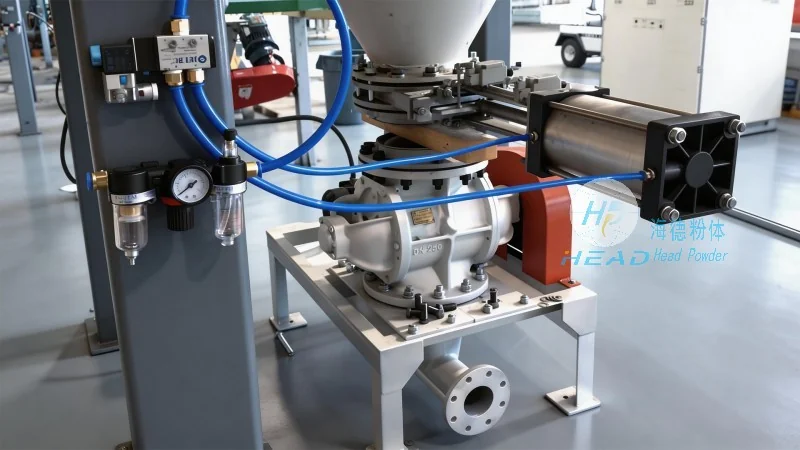
Pneumatic conveying systems utilize air pressure to transport bulk materials like white sugar through a network of pipes. Unlike traditional mechanical conveying methods, this technology offers advantages such as reduced product contamination, minimal dust generation, and the ability to handle delicate materials without causing degradation. For white sugar, which is sensitive to moisture and physical damage, pneumatic conveying provides a hygienic and controlled environment that preserves product integrity. The system typically comprises a hopper, a rotary valve, a conveying line, and a receiver, all designed to maintain the sugar's quality during transport.
Key Components and Their Role in White Sugar Conveying
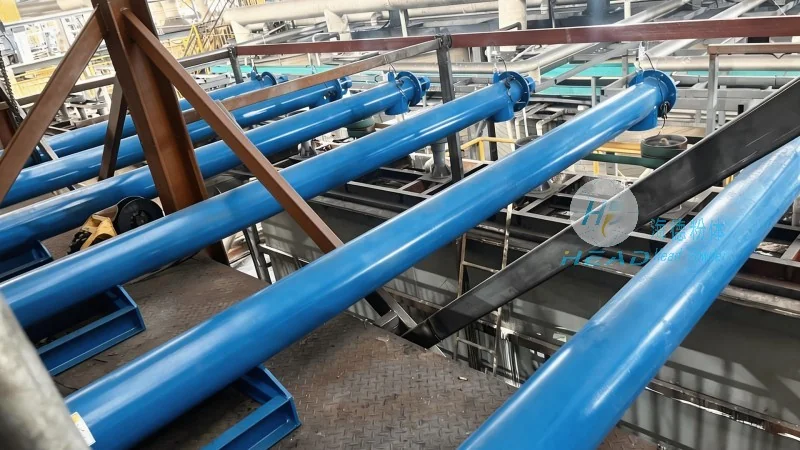
The effectiveness of a pneumatic conveying system for white sugar hinges on several critical components. The hopper serves as the storage and feeding unit, ensuring a consistent flow of sugar into the system. A rotary valve, often equipped with a sealing mechanism, controls the discharge of sugar from the hopper, preventing air leakage and maintaining pressure stability. The conveying line, usually constructed from stainless steel to resist corrosion and maintain hygiene, is designed with appropriate diameter and length to accommodate the sugar's flow characteristics. The receiver, where the sugar is deposited, is outfitted with a dust collection system to minimize environmental impact and ensure compliance with industrial standards.
Optimizing Pneumatic Conveying for White Sugar Efficiency
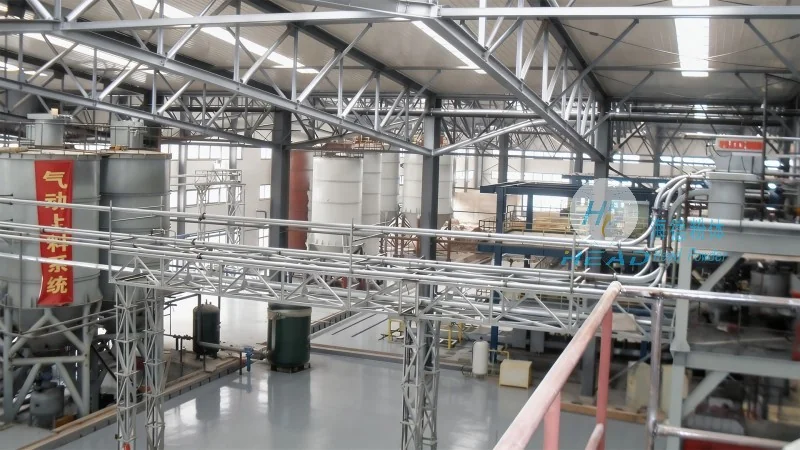
Optimization of pneumatic conveying systems for white sugar involves several factors to maximize throughput and minimize energy consumption. The selection of air velocity is crucial; too low a velocity may cause material settling, while too high a velocity can lead to increased energy costs and potential product degradation. Engineers often employ computational fluid dynamics (CFD) simulations to model the flow of sugar particles in the conveying line, allowing for precise adjustments to air velocity and system design. Additionally, the use of positive displacement blowers or rotary lobe pumps provides consistent air pressure, ensuring stable conveying performance. Regular maintenance of components, such as cleaning the hopper and checking for air leaks, is essential to prevent system inefficiencies and maintain product quality.
Benefits of Implementing Optimized Pneumatic Conveying Systems
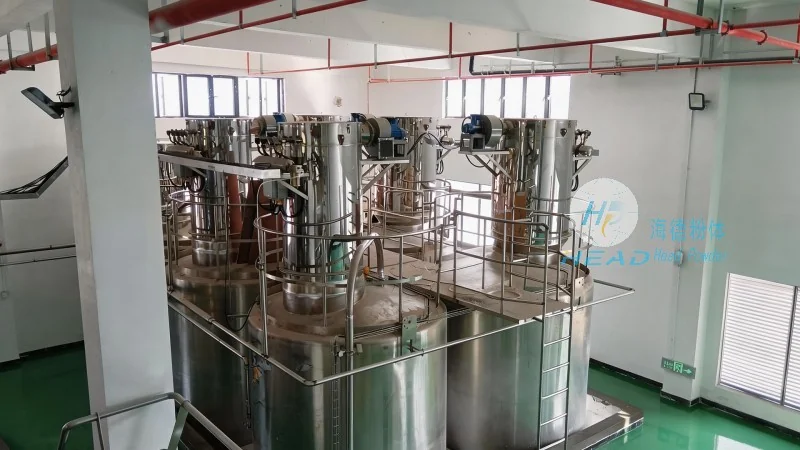
The implementation of optimized pneumatic conveying systems in white sugar processing offers numerous benefits. Firstly, it enhances operational efficiency by reducing downtime and increasing production throughput. The hygienic design of the system minimizes the risk of contamination, which is critical for food-grade products. Additionally, the reduced need for manual handling and the elimination of mechanical components lower maintenance costs and improve workplace safety. From a cost perspective, optimized systems can lead to significant energy savings over time, making them a financially viable choice for sugar processing facilities. The technology also contributes to environmental sustainability by reducing dust emissions and improving overall operational control.
Case Study: HeadPowder Engineering's Pneumatic Conveying Solutions
Shandong HeadPowder Engineering Co., Ltd., a leading provider of bulk material handling solutions, specializes in designing and manufacturing pneumatic conveying systems tailored to the needs of the sugar industry. With years of experience in the field, HeadPowder has developed customized solutions that address the unique challenges of white sugar handling. For instance, a recent project involved the installation of a high-capacity pneumatic conveying system for a major sugar refinery in Shandong, China. The system was designed to handle 200 tons of white sugar per hour, with optimized air velocity and pressure control to ensure efficient transport. The result was a 20% increase in production throughput and a 15% reduction in energy consumption compared to traditional mechanical systems. This case study highlights the effectiveness of HeadPowder's engineering expertise in optimizing pneumatic conveying for white sugar applications.
Future Trends and Innovations in Pneumatic Conveying for Sugar
As the sugar industry continues to evolve, so too do the technologies used for material handling. Future trends in pneumatic conveying for white sugar include the integration of advanced sensors and automation systems to monitor and control the conveying process in real-time. These systems can detect changes in sugar flow or air pressure, allowing for immediate adjustments to maintain optimal performance. Additionally, the development of more sustainable materials for conveying components, such as biodegradable plastics or recycled stainless steel, is gaining traction. These innovations aim to reduce the environmental footprint of sugar processing while maintaining the high standards of product quality and operational efficiency. By staying at the forefront of technological advancements, companies like HeadPowder are poised to deliver even more effective solutions for the future of white sugar handling.