

Application and Optimization of Pneumatic Conveying Technology in Rice Husk Transport Design
Efficient material handling is a critical factor in the rice processing industry, particularly when dealing with bulk materials like rice husk. Pneumatic conveying technology has emerged as a sophisticated solution for transporting such materials, offering advantages in terms of efficiency, safety, and cost-effectiveness. This article explores the application and optimization of pneumatic conveying systems specifically tailored for rice husk transport, highlighting the technical principles, operational benefits, and practical implementation strategies. The focus is on how advanced engineering solutions from Shandong HeadPowder Engineering Co., Ltd. enhance the performance of rice husk handling processes.
Pneumatic Conveying Technology: Principles and Types
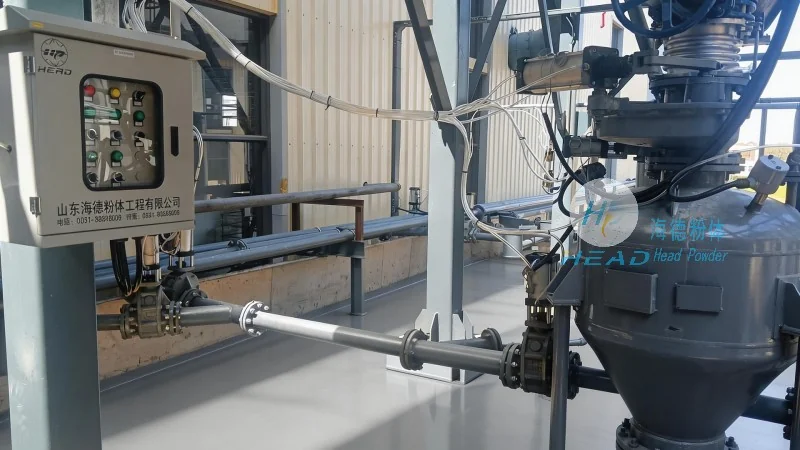
Pneumatic conveying systems utilize air or gas to transport solid materials through a pipeline. The fundamental principle involves creating a pressure differential that propels the material forward. There are two primary types of pneumatic conveying: pressure and vacuum systems. Pressure systems use compressed air to push material through the pipeline, while vacuum systems create a negative pressure to draw material into the line. For rice husk, which is light and can be abrasive, the choice of system depends on the distance, volume, and specific handling requirements. Shandong HeadPowder Engineering Co., Ltd. specializes in designing customized pneumatic conveying solutions that match the unique characteristics of rice husk, ensuring optimal performance and longevity of the equipment.
Advantages of Pneumatic Conveying for Rice Husk Transport
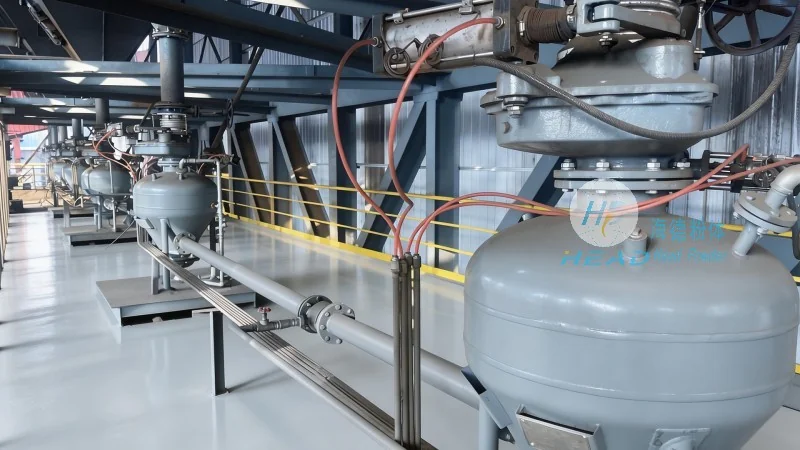
Compared to traditional methods such as belt conveyors or bucket elevators, pneumatic conveying offers several key advantages for rice husk transport. First, it provides a dust-free environment, which is crucial for maintaining hygiene standards in food processing facilities. Second, the system is compact and can be installed in confined spaces, making it suitable for modern rice mills with limited floor space. Third, pneumatic conveying reduces material degradation and contamination risks, as the material is not subjected to mechanical friction or impact. Additionally, the technology allows for flexible routing of the conveying line, enabling the integration of multiple processing stages without the need for complex reconfiguration. These benefits contribute to improved operational efficiency and reduced maintenance costs over the long term.
Optimization Strategies for Rice Husk Pneumatic Conveying Systems
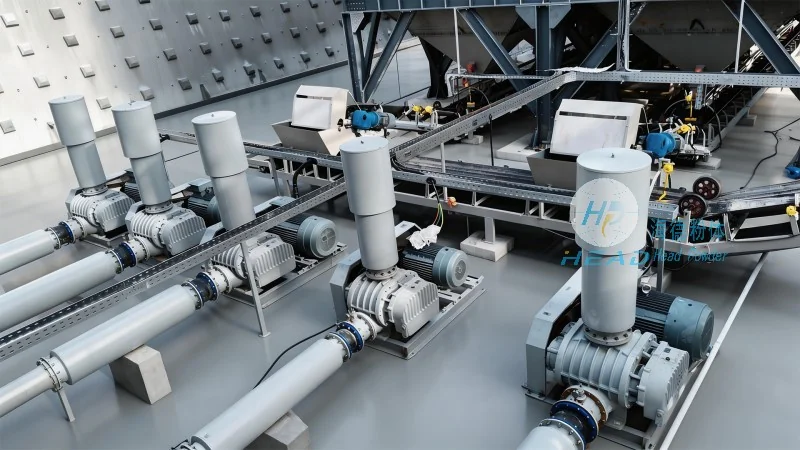
Optimizing a pneumatic conveying system for rice husk involves several key considerations. One critical factor is the selection of the appropriate air velocity and pressure. Too low a velocity may cause material deposition and blockages, while too high a velocity can lead to excessive wear on the pipeline and components. Shandong HeadPowder Engineering Co., Ltd. employs advanced computational fluid dynamics (CFD) simulations to determine the optimal air velocity and pressure for specific rice husk characteristics and system configurations. Another optimization aspect is the design of the conveying line, including the use of appropriate pipe diameters, bends, and fittings to minimize pressure drop and energy consumption. The company also considers the material's flow properties, such as bulk density and angle of repose, to ensure smooth and continuous transport. By integrating these optimization strategies, the system can achieve higher throughput, lower energy consumption, and extended equipment lifespan.
Case Study: Customized Pneumatic Conveying Solution by Shandong HeadPowder
A practical example of the application of optimized pneumatic conveying technology for rice husk is a project undertaken by Shandong HeadPowder Engineering Co., Ltd. for a major rice mill in Shandong, China. The client required a system to transport rice husk from the husking stage to the storage silo over a distance of 50 meters, with a capacity of 10 tons per hour. The initial design involved a pressure pneumatic conveying system with a 150 mm diameter pipeline and a 0.6 MPa air pressure. Through detailed analysis of the rice husk's flow characteristics and system constraints, the company optimized the air velocity to 20 m/s, which resulted in a smooth and continuous transport with minimal blockages. The system was equipped with wear-resistant liners and special fittings to handle the abrasive nature of rice husk, ensuring a service life of over 5 years. The project demonstrated the effectiveness of customized pneumatic conveying solutions in improving the efficiency and reliability of rice husk handling processes. The client reported a 20% reduction in energy consumption and a 15% increase in overall processing throughput compared to traditional methods.
Conclusion and Future Directions
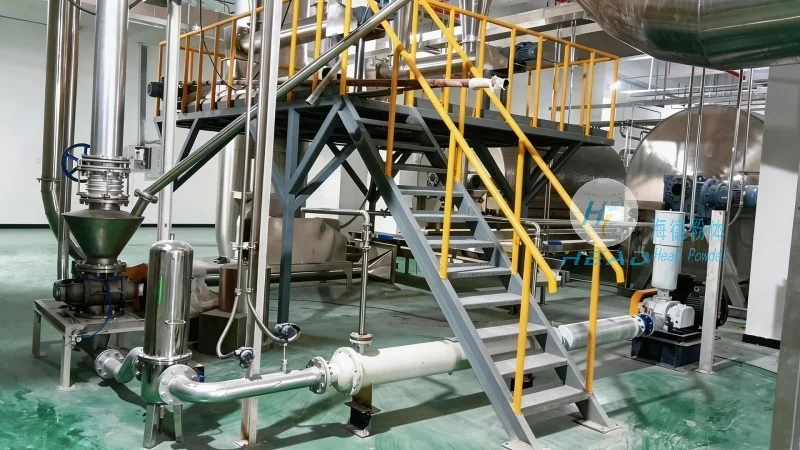
In conclusion, pneumatic conveying technology offers a highly effective and efficient solution for rice husk transport, with significant advantages over conventional methods. The optimization of these systems, through careful consideration of material properties, system design, and operational parameters, is essential to maximize performance and minimize costs. Shandong HeadPowder Engineering Co., Ltd. continues to innovate in the field of pneumatic conveying, developing advanced solutions that cater to the evolving needs of the rice processing industry. By leveraging their expertise in engineering and material handling, the company ensures that rice husk transport systems are not only efficient but also sustainable and cost-effective. As the industry moves towards more automated and integrated processing lines, the role of optimized pneumatic conveying technology will only become more critical in enhancing overall operational performance.