

Principle and Classification Application of Pneumatic Conveying for Ferrous Sulfate
For industrial operations involving ferrous sulfate, efficient material handling is crucial. Pneumatic conveying offers a reliable method to transport this chemical, ensuring safety and operational efficiency. This article explores the fundamental principles behind pneumatic conveying systems and the various classifications of applications used in handling ferrous sulfate.
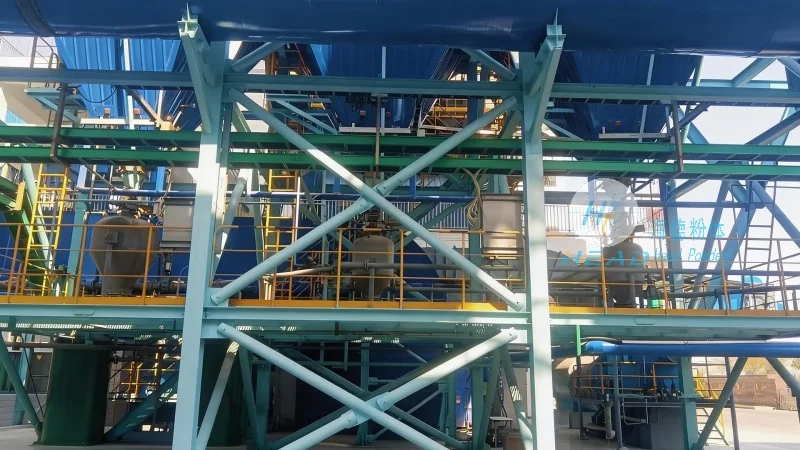
Understanding Ferrous Sulfate and Its Handling Requirements
Ferrous sulfate, also known as iron(II) sulfate, is a common chemical used in water treatment, agriculture, and industrial processes. Its handling requires careful consideration due to its granular or powder form, which can pose challenges in traditional bulk material transport. Pneumatic conveying addresses these challenges by using air to move the material through a pipeline, minimizing the risk of dust exposure and ensuring a clean, controlled transfer process.
The Core Principle of Pneumatic Conveying
Pneumatic conveying operates on the principle of using compressed air to create a flow that transports solid particles. The system typically consists of a hopper, a blower or compressor, a pipeline, and a discharge point. As air is introduced into the system, it creates a low-pressure zone that draws the ferrous sulfate particles into the pipeline. The velocity of the air is critical; it must be sufficient to overcome the gravitational forces and friction within the pipeline, ensuring the material moves smoothly without clogging or degradation.
Classifications of Pneumatic Conveying Systems
Pneumatic conveying systems are broadly classified into two main types: dilute-phase and dense-phase. Each type has distinct characteristics and applications for ferrous sulfate handling.
Dilute-phase pneumatic conveying uses high-velocity air to transport particles in a dispersed state. This method is suitable for long-distance transport and when the material is relatively fine. It offers advantages such as lower energy consumption for short distances and the ability to handle larger volumes. However, it may not be ideal for materials that are prone to degradation or require gentle handling.
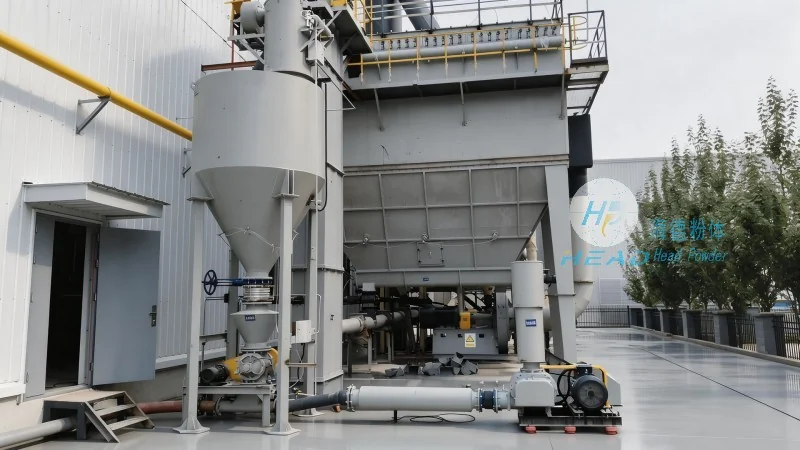
Dense-phase pneumatic conveying, on the other hand, uses lower air velocities and higher material concentrations. The particles are conveyed in a more compact state, reducing the risk of particle attrition and ensuring a more controlled flow. This method is particularly effective for handling ferrous sulfate in applications where product integrity is paramount, such as in pharmaceutical or food processing industries.
Application Scenarios for Ferrous Sulfate Pneumatic Conveying
The choice of pneumatic conveying system depends on the specific application and operational requirements. For example, in water treatment plants, ferrous sulfate is used to remove impurities from water, and the material needs to be transported from storage to dosing points. Pneumatic conveying ensures a consistent and controlled supply of the chemical, maintaining the efficiency of the treatment process.
In agricultural settings, ferrous sulfate is used as a fertilizer or soil amendment. The material is often stored in bulk and needs to be transported to application sites. Pneumatic conveying systems are well-suited for this, as they can handle large volumes over varying distances while minimizing dust and environmental impact.
Industrial manufacturing processes also benefit from pneumatic conveying for ferrous sulfate. In chemical production, the material may be used as an intermediate in the synthesis of other compounds. The ability to transport ferrous sulfate efficiently and safely ensures smooth production workflows and reduces downtime.
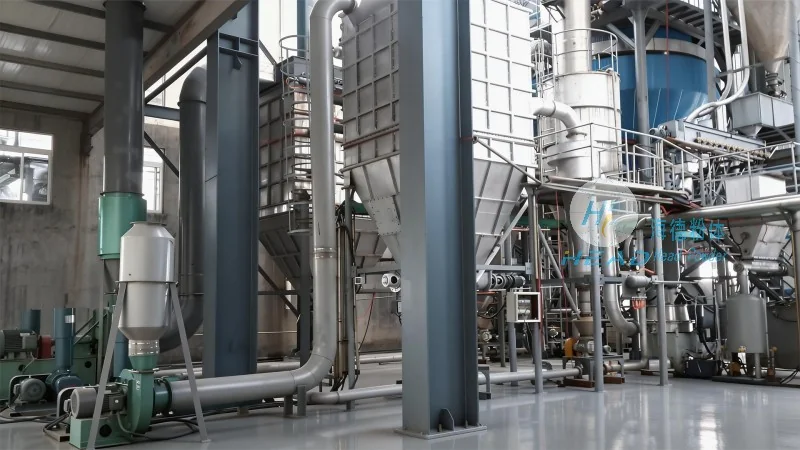
Advantages of Pneumatic Conveying for Ferrous Sulfate
Implementing pneumatic conveying for ferrous sulfate offers several advantages over traditional methods. First, it eliminates the need for manual handling, reducing the risk of occupational hazards associated with dust exposure and heavy lifting. Second, the enclosed system prevents environmental contamination, making it suitable for compliance with environmental regulations. Third, the system can be integrated with other industrial processes, providing a seamless flow of materials and enhancing overall operational efficiency.
Additionally, pneumatic conveying systems are flexible and can be adapted to various production scales. Whether for small-scale laboratory applications or large-scale industrial operations, the technology can be customized to meet specific needs. This adaptability makes it a versatile solution for handling ferrous sulfate in diverse industrial settings.
Conclusion: Choosing the Right Pneumatic Conveying Solution
For companies dealing with ferrous sulfate, selecting the appropriate pneumatic conveying system is critical to optimizing material handling and operational performance. By understanding the principles and classifications of these systems, as well as the specific requirements of their applications, businesses can make informed decisions that enhance efficiency, safety, and cost-effectiveness.
Shandong HeadPowder Engineering Co., Ltd., a leading provider in the field, specializes in designing and implementing customized pneumatic conveying solutions tailored to the unique needs of ferrous sulfate handling. With a focus on innovation and customer satisfaction, the company ensures that clients receive reliable, efficient, and safe material transport systems that meet industry standards and regulatory requirements.