

Carbon Material Conveying Systems: An Overview and the Advantages of Pneumatic Conveying
Carbon material handling is a critical process in various industrial applications, particularly in the production of carbon-based products such as graphite, carbon black, and other carbon compounds. The efficiency and reliability of the conveying system directly impact production quality, safety, and operational costs. This article provides an introduction to carbon material conveying systems, focusing on the advantages of pneumatic conveying technology and how it enhances the overall material handling process.
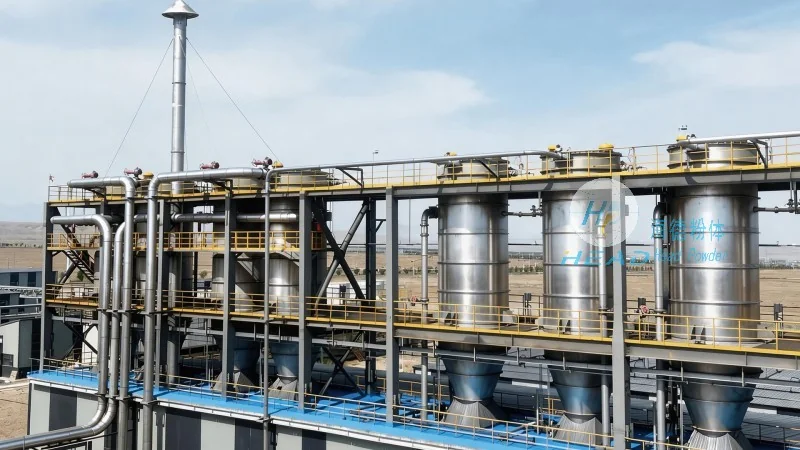
HeadPowder: A Leading Provider of Carbon Material Conveying Solutions
Shandong HeadPowder Engineering Co., Ltd., commonly known as HeadPowder, is a reputable company specializing in the design, manufacturing, and installation of advanced carbon material conveying systems. With a strong presence in China, particularly in Shandong province, HeadPowder has established itself as a trusted partner for industries requiring efficient and safe carbon material transport solutions. The company's expertise lies in understanding the unique properties of carbon materials and tailoring conveying systems to meet specific operational requirements.
The Core Components of Carbon Material Conveying Systems
A typical carbon material conveying system consists of several key components that work in tandem to ensure smooth material transport. These components include a material hopper or storage silo, a feeder to control the flow of material, a conveying line (often equipped with airlocks or rotary valves), and a receiver or discharge point. The system may also incorporate additional elements such as dust collectors, filtration units, and control panels to enhance safety and operational efficiency. Each component is carefully selected and integrated to ensure optimal performance for the specific carbon material being handled.
Pneumatic Conveying: The Preferred Method for Carbon Material Transport
Pneumatic conveying, also known as air conveying, is widely regarded as the most effective method for transporting carbon materials due to its numerous advantages over traditional mechanical conveying systems. This technology utilizes compressed air to move material through a pipeline, eliminating the need for mechanical components like belts or buckets that can cause wear and tear or material contamination. The key benefits of pneumatic conveying for carbon materials include:
1. Reduced Material Degradation and Contamination
Carbon materials, especially fine powders like carbon black or graphite, are highly susceptible to degradation and contamination from mechanical friction or exposure to external elements. Pneumatic conveying minimizes these risks by using air to transport material, which reduces the chance of particle breakage and prevents cross-contamination from other materials or the environment. This is particularly important in applications where material purity is critical, such as in the production of high-purity graphite or specialty carbon compounds.
2. Enhanced Safety and Operational Efficiency
Compared to mechanical conveying systems, pneumatic conveying offers superior safety features. The enclosed pipeline system prevents dust emissions, reducing the risk of explosions or respiratory hazards associated with carbon dust. Additionally, pneumatic systems can be designed for continuous operation, allowing for uninterrupted material flow and increased production throughput. The ability to convey materials over long distances without the need for intermediate transfer points also contributes to operational efficiency.
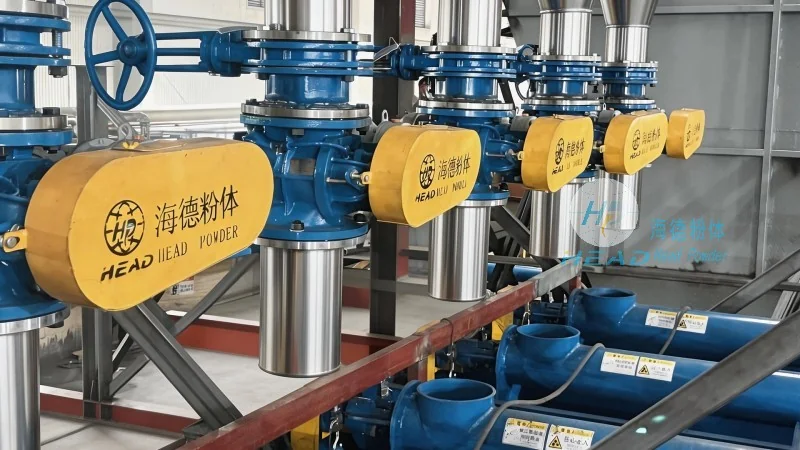
3. Flexibility and Adaptability
Pneumatic conveying systems are highly flexible and can be easily adapted to accommodate changes in material type, flow rate, or operational conditions. The system can be configured for both low and high-pressure applications, allowing for the transport of materials with varying particle sizes and densities. This adaptability makes pneumatic conveying suitable for a wide range of carbon material applications, from small-scale laboratory use to large-scale industrial production.
Applications of Carbon Material Conveying Systems
The versatility of carbon material conveying systems, particularly those utilizing pneumatic technology, makes them suitable for a variety of industrial applications. Some common applications include:
1. Graphite Production and Processing
In the graphite industry, carbon material conveying systems are essential for transporting raw graphite ore, intermediate products, and finished graphite products. Pneumatic conveying ensures that the delicate graphite particles are handled gently, preserving their quality and preventing contamination. This is crucial for applications such as the production of graphite electrodes, lubricants, and refractory materials.
2. Carbon Black Handling in the Rubber and Plastics Industry
Carbon black is a critical additive in the rubber and plastics industry, and its efficient handling is vital for maintaining product quality. Pneumatic conveying systems are used to transport carbon black from storage silos to processing equipment, ensuring a consistent and controlled flow of material. This reduces downtime and improves the overall efficiency of rubber and plastic manufacturing processes.
3. Carbon Compound Manufacturing
Many carbon compounds, such as activated carbon, carbon fibers, and carbon nanomaterials, require specialized handling due to their unique properties. Pneumatic conveying systems are designed to handle these materials safely and efficiently, minimizing the risk of dust explosions and ensuring that the material reaches its destination without degradation. This is essential for industries that rely on high-purity carbon compounds for applications in water treatment, filtration, and advanced materials.
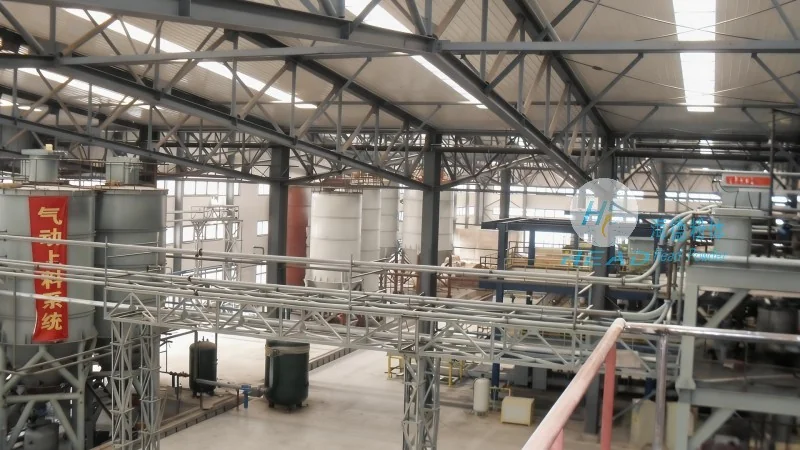
Technical Advantages of Pneumatic Conveying for Carbon Materials
The technical advantages of pneumatic conveying for carbon materials extend beyond the operational benefits discussed earlier. These include:
1. Gentle Material Handling
Pneumatic systems use air to move material, which is a non-contact method of transport. This reduces the mechanical stress on carbon particles, preventing breakage and maintaining the integrity of the material. For fine powders, this is particularly important as particle size can significantly impact the material's performance in end-use applications.
2. Low Maintenance Requirements
Compared to mechanical conveying systems, pneumatic conveying systems have fewer moving parts, which reduces the risk of wear and tear and lowers maintenance costs. The enclosed pipeline design also minimizes the need for regular cleaning and maintenance, as dust and debris are contained within the system.
3. Energy Efficiency
While pneumatic conveying may consume more energy than some mechanical systems, modern designs incorporate energy-saving features such as variable speed drives and optimized air flow. These advancements help to reduce energy consumption and operating costs, making pneumatic conveying a cost-effective solution for long-term material handling needs.
Conclusion
Carbon material conveying systems, particularly those utilizing pneumatic technology, play a vital role in enhancing the efficiency, safety, and quality of industrial processes. Companies like Shandong HeadPowder Engineering Co., Ltd. (HeadPowder) specialize in designing and implementing these systems, leveraging their expertise to meet the unique needs of carbon material handling. By understanding the advantages of pneumatic conveying and selecting the appropriate system components, industries can achieve reliable and cost-effective material transport, ultimately improving their overall operational performance.