

[MICRO PELLET POWDER PNEUMATIC CONVEYING SYSTEM ANALYSIS]
Micro pellet powder pneumatic conveying systems represent a sophisticated approach to material handling, particularly for fine powders and granular materials. These systems utilize air or other gas streams to transport materials from one location to another, offering advantages such as reduced contamination, improved safety, and enhanced process efficiency. The design and operation of such systems are critical for industries dealing with sensitive or high-value materials, where maintaining product integrity is paramount.
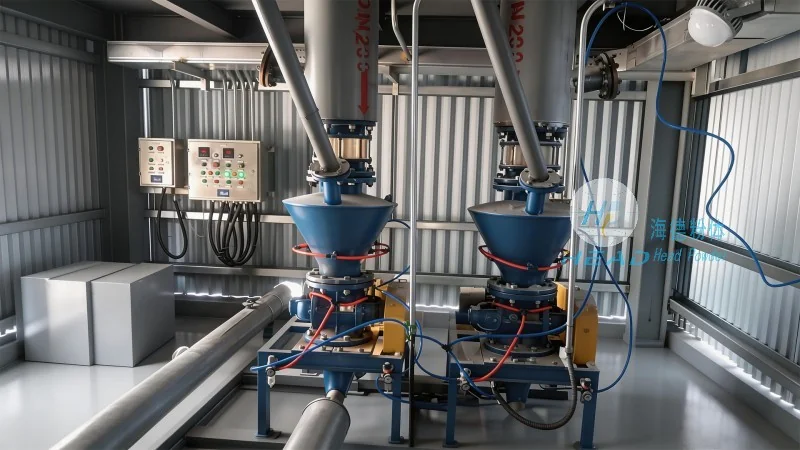
Understanding the Core Components of Micropellet Powder Pneumatic Conveying Systems
The functionality of micropellet powder pneumatic conveying systems relies on several key components that work in tandem to ensure efficient material transport. At the heart of the system is the material feed hopper, which stores and feeds the micropellets into the conveying line. This component is designed to handle the specific flow characteristics of the powder, minimizing blockages and ensuring a consistent feed rate. The hopper typically includes features like a rotary valve or a star feeder to control the discharge of material, preventing backflow and maintaining a steady supply.
Next, the conveying line itself is a crucial element. It can be either positive pressure or negative pressure, depending on the application and material properties. Positive pressure systems use a blower or compressor to push air and material through the line, while negative pressure systems use a vacuum to draw material from the source. The choice between these two depends on factors like the distance to be covered, the material's density, and the required flow rate. The line is usually made of stainless steel or other corrosion-resistant materials to prevent contamination and ensure durability.
Along the conveying line, there are often intermediate vessels or cyclones. These components are used to separate the material from the air stream, allowing the powder to be collected at the destination while the air is either recycled or vented. Cyclones, in particular, use centrifugal force to separate particles from the gas, making them effective for handling fine powders. The design of these separators is critical to prevent material buildup and ensure consistent performance.
The destination vessel, or receiver, is where the material is deposited after being conveyed. This vessel is typically equipped with a discharge valve or a rotary valve to control the release of the material, preventing spillage and maintaining a clean environment. The receiver may also include a dust collection system to capture any fine particles that escape during the conveying process, ensuring compliance with environmental regulations.
The Role of HeadPowder in Micropellet Powder Pneumatic Conveying Solutions
Shandong HeadPowder Engineering Co., Ltd., commonly known as HeadPowder, is a leading provider of specialized engineering solutions for material handling systems. With a focus on micropellet powder pneumatic conveying, the company has developed expertise in designing and manufacturing systems tailored to the unique needs of various industries. HeadPowder's approach combines advanced engineering principles with practical application knowledge, ensuring that each system is optimized for performance, reliability, and cost-effectiveness.
HeadPowder's team of engineers and technicians work closely with clients to understand their specific material handling challenges and operational requirements. This collaborative process allows the company to design custom solutions that address individual needs, rather than offering off-the-shelf products. The company's commitment to quality is evident in its adherence to international standards and rigorous testing protocols, ensuring that each system meets the highest industry benchmarks.
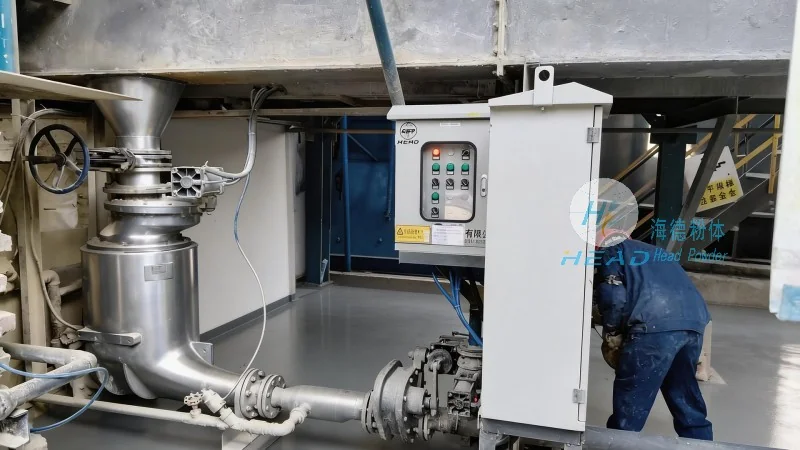
HeadPowder's facilities in Shandong, China, are equipped with state-of-the-art manufacturing equipment and testing facilities. This infrastructure enables the company to produce high-quality components and systems that are both durable and efficient. The local presence also facilitates close collaboration with clients, allowing for timely support and maintenance services. By leveraging its location in China, HeadPowder can offer competitive pricing without compromising on quality or service.
Key Advantages of Micropellet Powder Pneumatic Conveying Systems
Implementing a micropellet powder pneumatic conveying system offers several significant advantages over traditional material handling methods. One of the primary benefits is the reduction of contamination. Since the material is transported in an enclosed system, it is protected from external contaminants such as dust, moisture, and airborne particles. This is particularly important for sensitive materials like pharmaceuticals, food products, and chemicals, where product purity is critical.
Another key advantage is improved safety. Unlike open systems that may pose risks of dust explosions or inhalation hazards, pneumatic conveying systems are enclosed, reducing the risk of accidents and ensuring a safer working environment. The use of air or gas as the conveying medium also eliminates the need for mechanical conveyors, which can be prone to wear and tear and require frequent maintenance.
Efficiency is another major benefit. Micropellet powder pneumatic conveying systems can handle materials over long distances with minimal energy consumption. The design of the system, including the choice of blower or vacuum, is optimized to achieve the highest possible flow rates while maintaining low energy costs. This makes the system cost-effective in the long run, as it reduces operational expenses and increases productivity.
Flexibility is also a significant advantage. These systems can be easily integrated into existing production lines or expanded to accommodate future growth. The modular design allows for the addition of new components or the modification of existing ones without major disruptions to the operation. This adaptability makes micropellet powder pneumatic conveying systems suitable for a wide range of applications, from small-scale operations to large industrial facilities.
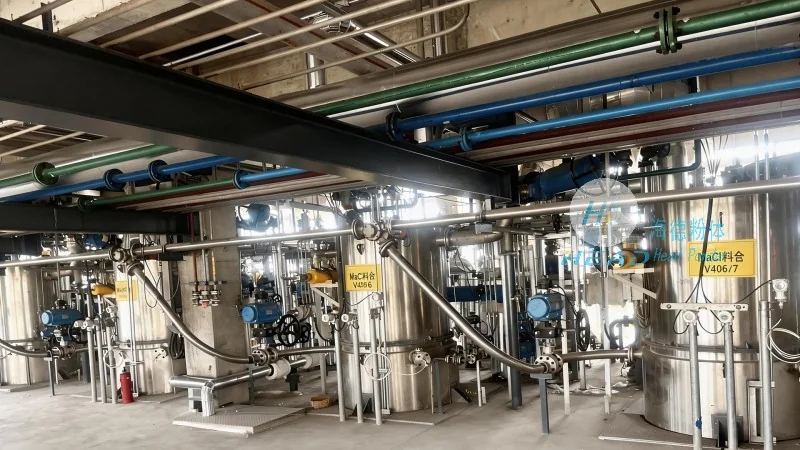
Applications and Industries Benefiting from Micropellet Powder Pneumatic Conveying Systems
Micropellet powder pneumatic conveying systems are widely used across various industries due to their versatility and effectiveness. In the pharmaceutical industry, these systems are used to transport active pharmaceutical ingredients (APIs) and other fine powders, ensuring that the materials remain pure and free from contamination. The enclosed design and controlled environment help maintain the quality of the product, which is essential for compliance with regulatory standards.
In the food and beverage industry, micropellet powder pneumatic conveying is used for handling ingredients such as spices, flavors, and vitamins. The system's ability to maintain a clean and hygienic environment is crucial for food safety, as it prevents cross-contamination and ensures that the final product meets quality standards. The gentle handling of the materials also helps preserve the flavor and texture of the ingredients.
The chemical industry also benefits from micropellet powder pneumatic conveying systems, particularly for handling hazardous or reactive powders. The enclosed system reduces the risk of exposure to toxic substances and minimizes the potential for accidents. The ability to control the flow rate and pressure also allows for precise dosing, which is important in chemical processes where accuracy is critical.
In the mining and mineral processing industry, these systems are used to transport fine minerals and ores. The high efficiency and low energy consumption of the system make it suitable for large-scale operations, where material handling is a significant part of the production process. The durability of the components, especially in harsh environments, ensures that the system can withstand the demands of mining operations.
Conclusion: The Future of Micropellet Powder Pneumatic Conveying Systems
As industries continue to demand more efficient and reliable material handling solutions, micropellet powder pneumatic conveying systems are poised to play an increasingly important role. The combination of advanced technology, robust design, and the expertise of companies like Shandong HeadPowder Engineering Co., Ltd. ensures that these systems will remain a preferred choice for handling fine powders and granular materials. By leveraging the advantages of enclosed transport, reduced contamination, and improved safety, these systems contribute to higher productivity and better product quality across various sectors.
With a focus on innovation and customer-centric solutions, HeadPowder is committed to advancing the technology of micropellet powder pneumatic conveying systems. The company's dedication to quality and performance ensures that its systems meet the evolving needs of the industry, providing long-term value and reliability for its clients. As the demand for efficient material handling continues to grow, micropellet powder pneumatic conveying systems will remain a vital component of modern industrial operations.