In the dynamic landscape of food processing, the efficient handling of condiment particles is a critical challenge for manufacturers. From spices and seasonings to powdered sauces, the ability to transport these materials reliably and hygienically is essential for maintaining product quality and operational efficiency. Condiment particle conveying, often achieved through pneumatic systems, has emerged as a cornerstone technology in modern food production, enabling seamless material transfer from storage to processing lines.
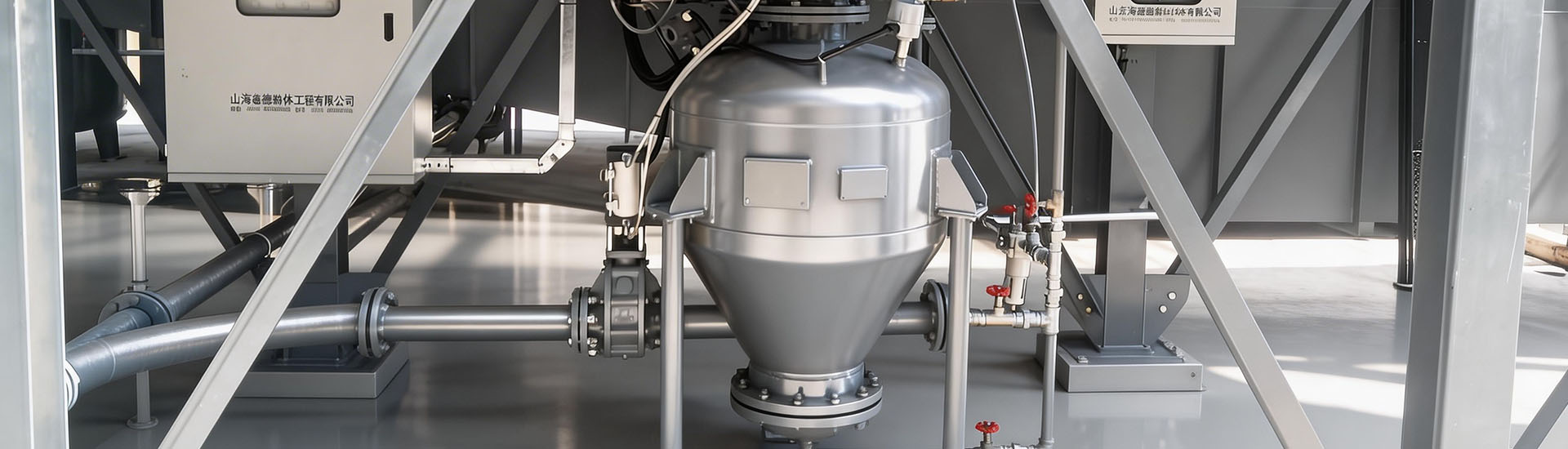
The core principle of pneumatic conveying for condiments revolves around the use of air to move particulate materials. Unlike traditional mechanical systems, which rely on belts or screws, pneumatic conveying utilizes compressed air to create a flow that transports the particles through a pipeline. This method is particularly effective for delicate or hygroscopic materials, as it minimizes physical contact and reduces the risk of contamination or degradation. The system typically consists of a hopper, a venturi or rotary valve, and a receiver, with the air flow carefully controlled to ensure consistent and controlled material movement.

Pneumatic conveying systems offer several distinct advantages for condiment processing. First, they provide a hygienic and closed environment, which is crucial for maintaining food safety standards. The enclosed pipeline prevents exposure to contaminants, dust, or moisture, ensuring that the condiment remains pure throughout the conveying process. Second, these systems are highly flexible, allowing for easy integration with existing production lines and the ability to transport materials over long distances without the need for multiple transfer points. Additionally, pneumatic conveying can handle a wide range of particle sizes and densities, making it suitable for various condiment products, from fine powders to coarse granules.
The applications of condiment particle conveying are diverse and widespread across the food industry. For instance, in spice processing, pneumatic systems are used to move ground spices from storage silos to blending equipment, ensuring uniform mixing and consistent flavor profiles. Similarly, in the production of powdered sauces, these systems facilitate the transfer of ingredients like tomato powder or cheese powder from raw material hoppers to the mixing tanks. Furthermore, in large-scale condiment manufacturing facilities, pneumatic conveying can be integrated with automated packaging lines, enabling seamless material transfer from processing to packaging without manual intervention.

When selecting a pneumatic conveying system for condiment applications, several factors must be considered to ensure optimal performance. The first is the material's properties, such as its density, moisture content, and flowability, as these affect the air velocity and pressure required for effective transport. Second, the system's capacity and scalability are critical, as production volumes may vary over time. Additionally, the need for hygiene and compliance with food safety regulations, such as those from the FDA or EU, dictates the choice of materials for the conveying components, often requiring stainless steel or food-grade plastics. Finally, the system's energy efficiency and maintenance requirements should be evaluated to ensure long-term cost-effectiveness.

If you are a condiment manufacturer seeking to enhance your production efficiency and ensure the quality of your products, consider the expertise of Head Powder. Our team of engineers specializes in designing and manufacturing custom pneumatic conveying systems tailored to your specific needs. From initial consultation to installation and after-sales support, we provide comprehensive solutions that integrate seamlessly with your existing operations. Contact us today to learn more about how our condiment particle conveying solutions can transform your production process.

 Shandong Haide Powder Engineering Co., Ltd
 156-6277-7102(Manager Zhang)
  0531-83386006
  No. 1 Shanggao Industrial Park, Zhangqiu District, Jinan City, Shandong Province
 telephone
top