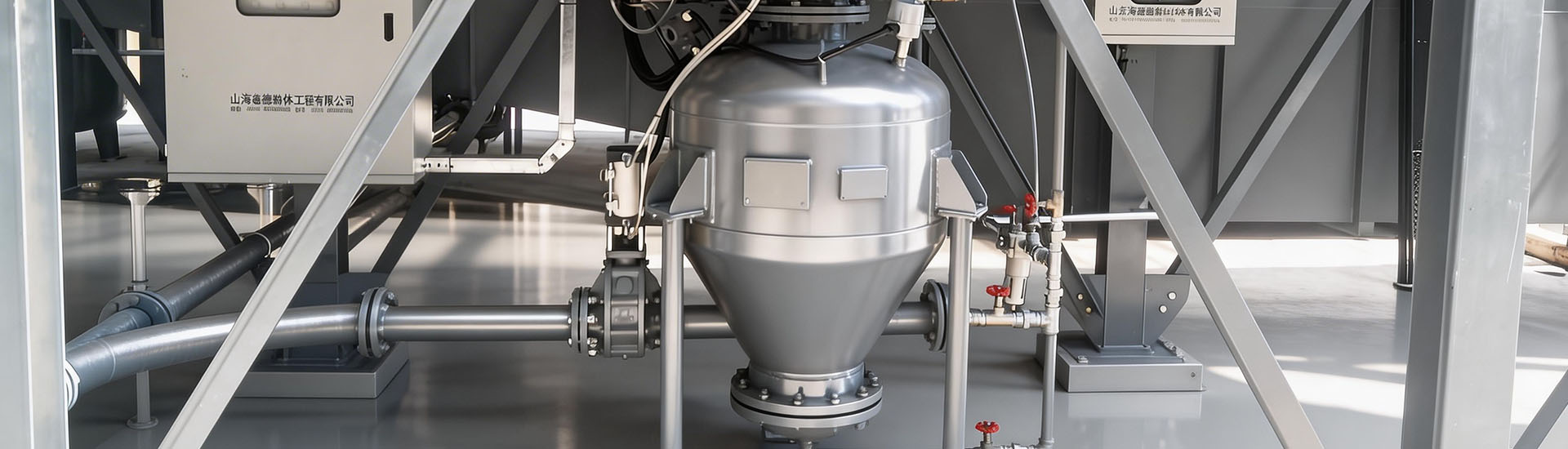
Long-distance pneumatic conveying system equipment has become a cornerstone in modern industrial material handling, offering a reliable and efficient solution for transporting bulk materials over extended distances. This technology, often referred to as pneumatic conveying, utilizes compressed air to move powders, granules, and other dry materials through a pipeline network. The system's design and implementation are critical for optimizing production processes, reducing downtime, and enhancing overall operational efficiency.
The operation of the long-distance pneumatic conveying system equipment is based on the principle of air flow and pressure differentials. At one end of the pipeline, a positive pressure or negative pressure source is used to create a flow of air that propels the material. The system typically includes a hopper for material storage, a feeder to control the flow rate, and a series of pipes with appropriate diameters and bends. The choice between positive and negative pressure depends on the material's properties and the required transport distance. For instance, positive pressure systems are common for short to medium distances, while negative pressure systems are preferred for longer runs, as they minimize dust emissions and are more suitable for sensitive materials.
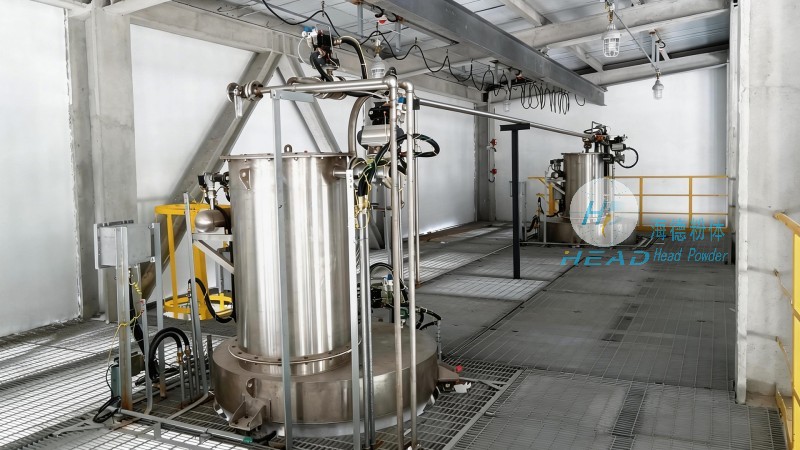
Understanding the key components of the long-distance pneumatic conveying system equipment is essential for its effective application. The main parts include the material feed hopper, which holds the bulk material and ensures a consistent supply; the air compressor or vacuum pump, which provides the necessary pressure or suction; the conveying line, which consists of pipes, elbows, and tees to guide the material; and the receiver, where the material is deposited. Each component plays a vital role in maintaining the system's performance. For example, the feeder, often a rotary valve or a screw conveyor, controls the material flow rate to match the air flow, preventing blockages and ensuring smooth transport. The air compressor must be sized correctly to handle the system's requirements, as insufficient pressure can lead to reduced material throughput, while excessive pressure may cause wear and tear on the equipment. The long-distance pneumatic conveying system equipment's reliability is directly tied to the proper functioning of these components.
The long-distance pneumatic conveying system equipment finds widespread use across various industries due to its versatility and adaptability. In the chemical industry, it is used to transport powders such as plastics, pigments, and pharmaceuticals, where dust control and hygiene are paramount. In the food and beverage sector, it handles ingredients like flour, sugar, and spices, ensuring that the process remains clean and contamination-free. The mining and minerals industry relies on it for transporting ores and coal, often over long distances from the mine to processing plants. Additionally, in the agricultural sector, it is used for handling grains and seeds, and in the construction industry for transporting cement and other building materials. The system's ability to handle different materials and its flexibility in pipeline layout make it a preferred choice for many applications.
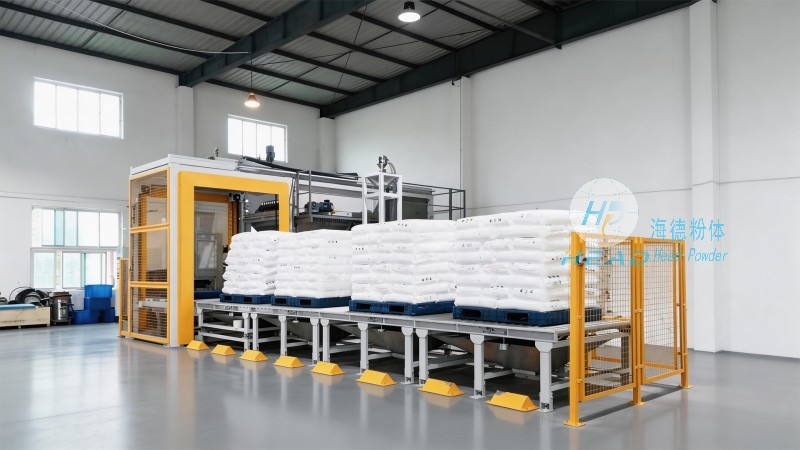
Implementing the long-distance pneumatic conveying system equipment offers numerous advantages over traditional material handling methods. One of the most significant benefits is the reduction in labor costs and manual handling, as the system automates the entire transport process. It also minimizes material loss and contamination, as the material is enclosed within the pipeline, preventing exposure to the environment. The system is also more energy-efficient compared to other methods like belt conveyors or trucks, as it uses compressed air, which can be recycled and reused. Furthermore, it allows for easy integration with other production equipment, such as mixers and classifiers, creating a seamless workflow. The long-distance pneumatic conveying system equipment also provides better safety, as it eliminates the need for workers to handle heavy or hazardous materials manually. This not only improves workplace safety but also reduces the risk of accidents and injuries.
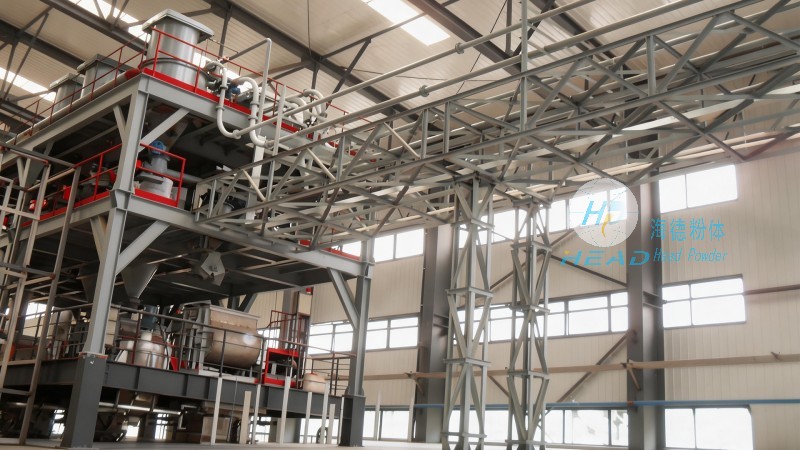
At Head powder, we specialize in providing high-quality long-distance pneumatic conveying system equipment tailored to meet the specific needs of our clients. Our team of experts works closely with customers to understand their operational requirements and design a customized solution that maximizes efficiency and minimizes costs. Whether you need a new system installation or maintenance and repair services, we are committed to delivering reliable and durable equipment that meets the highest industry standards. Contact us today to learn more about our products and how we can help enhance your material handling processes.

 Shandong Haide Powder Engineering Co., Ltd
 156-6277-7102(Manager Zhang)
  0531-83386006
  No. 1 Shanggao Industrial Park, Zhangqiu District, Jinan City, Shandong Province
 telephone
top