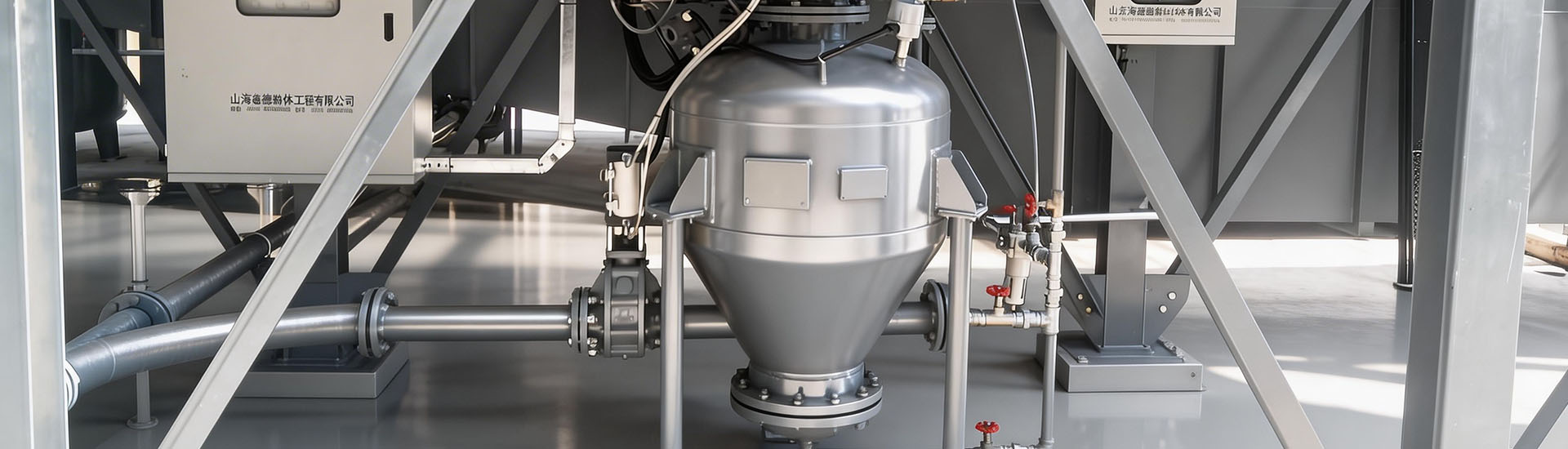
The selection of a negative pressure pneumatic conveying system is a critical decision for industries relying on efficient material transport. In modern manufacturing and processing, where cleanliness, safety, and operational efficiency are paramount, the right choice can significantly impact production outcomes. Whether handling powders, granules, or bulk materials, understanding the nuances of negative pressure systems is essential to avoid common pitfalls and optimize performance. The core of effective selection lies in aligning system design with specific material characteristics, operational requirements, and long-term business goals.
Before investing in any negative pressure pneumatic conveying setup, a thorough analysis of the material being transported is non-negotiable. This includes assessing particle size distribution, moisture content, bulk density, and flowability. For instance, fine powders like cement or flour may require higher air velocities and specialized filters to prevent clogging, whereas larger, denser materials such as grains or pellets can be handled with lower air pressure. The presence of abrasive particles or potential dust explosion hazards further complicates the choice, often necessitating explosion-proof components or inert gas systems. A material handling expert should conduct a comprehensive test to determine the optimal air-to-material ratio and system configuration.

The distance over which materials need to be conveyed directly influences the design of the negative pressure system. Short-distance applications, such as moving materials from a hopper to a mixer within a facility, may use simple, straight-line pipelines with minimal bends. However, for longer distances—tens or even hundreds of meters—system designers must consider the impact of pressure drop and air velocity. In such cases, the system may require intermediate boosters or larger-diameter pipes to maintain sufficient airflow. The layout of the facility, including existing infrastructure and space constraints, also plays a role. A well-designed negative pressure system should balance performance with practicality, ensuring that the air velocity remains high enough to prevent material settling but low enough to avoid excessive energy consumption.
One of the key advantages of negative pressure pneumatic conveying is its ability to maintain a clean, dust-free environment. This makes it ideal for industries like food processing, pharmaceuticals, and electronics manufacturing, where contamination control is critical. However, the system must be designed with safety in mind. Negative pressure systems can create vacuum-related hazards, such as suction of foreign objects or personnel, which require proper sealing and safety interlocks. Additionally, the noise generated by the fan and the energy consumption of the system should be considered, especially in facilities where environmental impact is a concern. By integrating features like soundproofing, energy-efficient motors, and regular maintenance schedules, operators can ensure both compliance and operational safety.

While the initial investment in a negative pressure pneumatic conveying system can be substantial, it often yields significant returns over time. The reduction in manual labor for material handling, elimination of material spillage and waste, and lower maintenance costs due to fewer moving parts compared to mechanical conveyors are all factors that contribute to a positive ROI. For example, a system that automates the transport of bulk materials from a storage silo to a processing line can reduce labor costs by up to 50% and minimize product loss by 90%. Furthermore, the ability to integrate with existing production lines and scale up as demand increases makes negative pressure systems a flexible and cost-effective solution in the long run.
In today's dynamic business environment, flexibility is as important as efficiency. A negative pressure system should be designed with scalability in mind, allowing for future expansion or modification without major overhauls. Modular components, such as additional pipeline sections or booster units, enable the system to adapt to changing production volumes or new material types. The choice of a reputable manufacturer, like Haid, who offers comprehensive support and customization options, is crucial for ensuring that the system remains relevant as the business grows. By investing in a scalable negative pressure system, companies can avoid the need for costly system replacements and maintain a competitive edge in their industry.
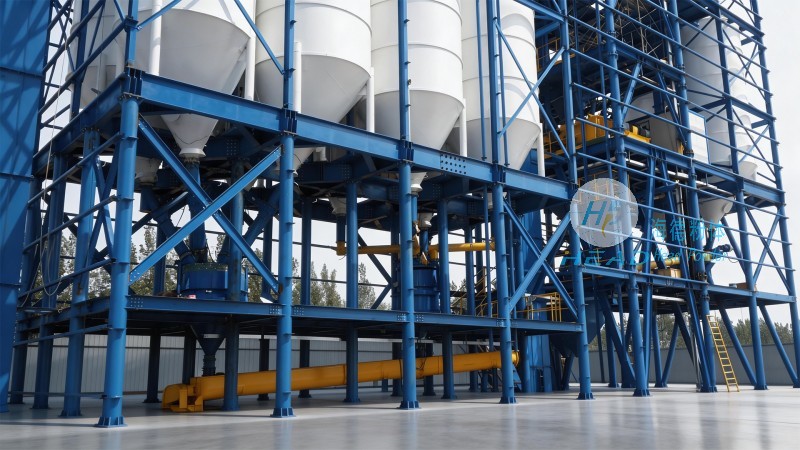
Choosing the right negative pressure pneumatic conveying system is a strategic decision that can transform material handling operations. At Haid, we understand that every industry has unique challenges and opportunities. Our team of experts specializes in designing and implementing tailored negative pressure solutions that meet the specific needs of our clients. Whether you're looking to improve efficiency, enhance safety, or reduce costs, we can help you select the optimal system for your application. Contact us today to learn more about our negative pressure pneumatic conveying systems and how they can benefit your business.

 Shandong Haide Powder Engineering Co., Ltd
 156-6277-7102(Manager Zhang)
  0531-83386006
  No. 1 Shanggao Industrial Park, Zhangqiu District, Jinan City, Shandong Province
 telephone
top