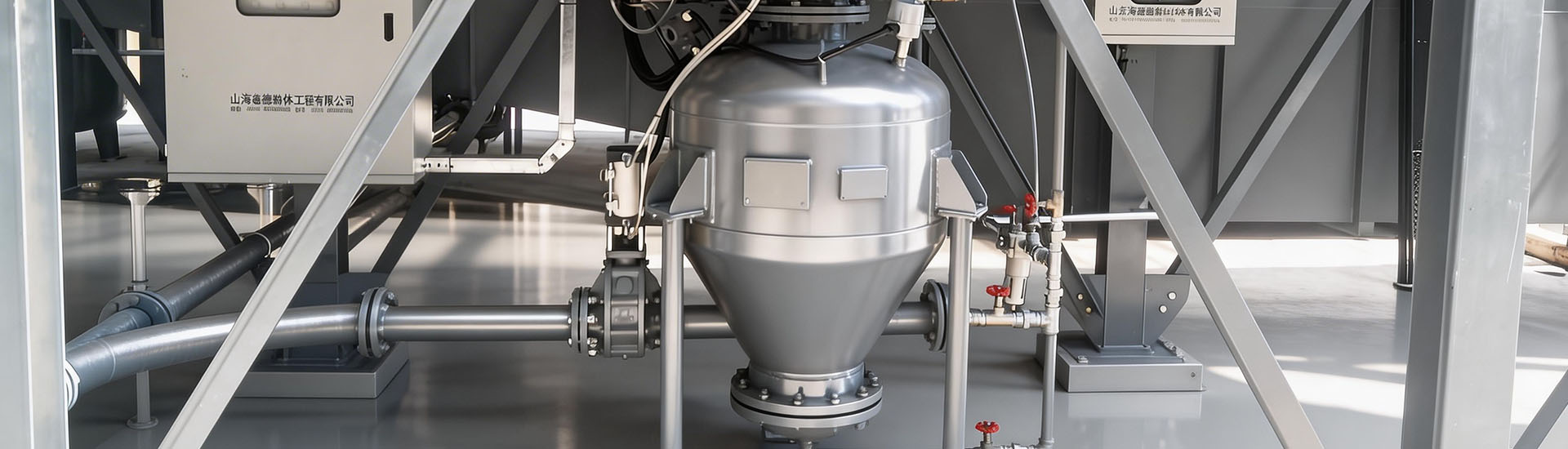
When selecting a wheat bran material pneumatic conveying system equipment, it's crucial to follow a systematic approach to ensure optimal performance and cost-effectiveness. The process involves understanding the unique characteristics of wheat bran, determining the required conveying distance and flow rate, and evaluating different system configurations. By breaking down the selection into clear, actionable steps, businesses can avoid common pitfalls and select a system that meets their specific operational needs.
Before any selection, it's essential to analyze the physical and chemical properties of wheat bran. This includes assessing moisture content, particle size distribution, bulk density, and flowability. For example, wheat bran often has a relatively low bulk density and can be prone to bridging or agglomeration, which impacts the choice of conveying method. A thorough material analysis helps in selecting the appropriate air velocity, pressure, and equipment components, such as the hopper design and feeder type. Head powder, as a manufacturer, emphasizes the importance of this step to ensure the system operates efficiently without clogging or damage.

The next step is to define the conveying distance and required flow rate. Whether the wheat bran needs to be transported from a storage silo to a processing plant or between different production lines, the distance directly influences the system's pressure and power requirements. For short distances (under 50 meters), a low-pressure system might suffice, while longer distances (over 100 meters) may require high-pressure or positive pressure systems. The flow rate, measured in tons per hour, determines the size of the pipeline, the capacity of the air compressor, and the design of the separation and filtration components. Head powder offers customized solutions, from low-pressure systems for small-scale operations to high-capacity systems for large industrial applications.
Two primary methods are used in pneumatic conveying: positive pressure and negative pressure. Positive pressure systems blow air into the pipeline, pushing the material forward, while negative pressure systems create a vacuum to draw material into the pipeline. For wheat bran, positive pressure is often preferred due to its ability to handle abrasive materials and prevent dust contamination. However, negative pressure systems are suitable for applications where dust control is critical and the material is non-abrasive. The choice depends on factors like material properties, system layout, and environmental regulations. Head powder provides both types of systems, allowing customers to choose based on their specific needs and operational constraints.

A pneumatic conveying system consists of several critical components, each playing a vital role in the overall performance. These include the hopper and feeder, which control the material flow; the air compressor and pipeline, which provide the necessary pressure or vacuum; the separation and filtration system, which removes dust and prevents system blockages; and the discharge equipment, which delivers the material to the destination. For wheat bran, a cyclone separator is commonly used to separate fine particles from the air stream, while a bag filter or cartridge filter ensures clean air release. Head powder's systems are designed with high-efficiency components, such as stainless steel construction to resist corrosion from moisture in wheat bran, and advanced control systems for precise operation.
Finally, evaluating the budget and selecting a reliable manufacturer are crucial steps. The initial cost of the system is just one factor; long-term maintenance, energy efficiency, and after-sales support are equally important. Head powder, as a manufacturer with years of experience, offers competitive pricing and comprehensive after-sales services, including installation, training, and maintenance. By choosing a reputable supplier like Head powder, businesses can ensure the system operates efficiently, reduces downtime, and provides a high return on investment. The company's expertise in wheat bran material handling ensures that customers receive tailored solutions that meet their unique challenges.

For businesses looking to optimize their wheat bran material handling processes, selecting the right pneumatic conveying system equipment is a critical decision. By following the systematic steps outlined above and partnering with a trusted manufacturer like Head powder, you can ensure efficient, reliable, and cost-effective material transport. Head powder provides not just equipment but a comprehensive solution, from initial consultation to long-term support. Contact us today to learn more about how our wheat bran material pneumatic conveying system equipment can enhance your operations.

 Shandong Haide Powder Engineering Co., Ltd
 156-6277-7102(Manager Zhang)
  0531-83386006
  No. 1 Shanggao Industrial Park, Zhangqiu District, Jinan City, Shandong Province
 telephone
top