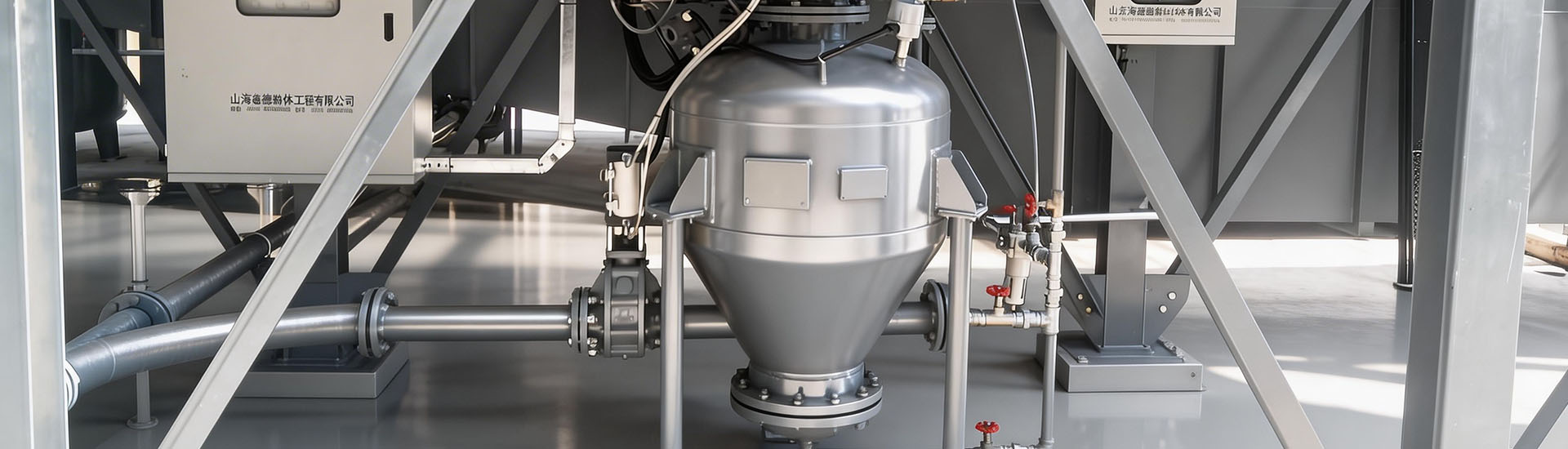
Dry sand powder conveying, as a key technology in modern material handling, refers to the process of transporting dry powders such as cement, fly ash, and mineral powders through pipelines under pressure or vacuum. This method has become indispensable in industries like construction, power generation, and chemical manufacturing, offering a solution to the challenges of handling fine, dusty materials efficiently and safely.
Dry sand powder conveying, also known as pneumatic conveying, involves using air to move dry powders through a closed system. The process typically includes a feeding device, a conveying pipeline, and a receiving tank. By creating a pressure differential, the system can either transport materials in a positive pressure mode (where air pushes the powder) or a negative pressure mode (where air pulls the powder). This flexibility allows for precise control over the flow rate and particle size, ensuring stable and efficient transport.
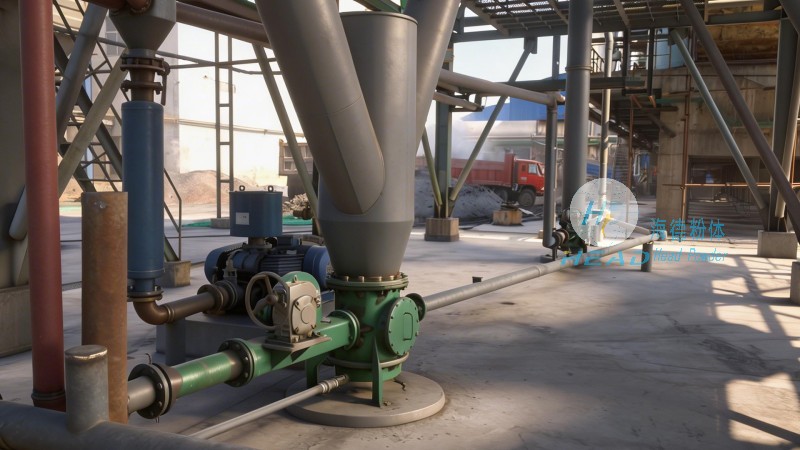
Compared to traditional methods like bucket elevators or belt conveyors, dry sand powder conveying offers several significant advantages. First, it minimizes dust generation, which is crucial for maintaining a clean and safe working environment. Second, it enables high-precision control over the material flow, reducing waste and improving product quality. Third, the system is compact and flexible, allowing for easy integration into existing production lines. Additionally, it can handle a wide range of materials, from fine powders to coarse granules, making it a versatile solution for various industrial applications.
In the construction industry, dry sand powder conveying is widely used for transporting cement, sand, and other dry building materials to different parts of a construction site. In power plants, it is essential for handling fly ash and coal ash, ensuring efficient waste management and reuse. The chemical industry also benefits from this technology for transporting raw materials like limestone and clay. Furthermore, in food processing and pharmaceuticals, it is used for handling fine powders with strict quality and hygiene requirements, where dust control and contamination prevention are paramount.

Modern dry sand powder conveying systems often incorporate advanced features such as variable speed drives, which allow for real-time adjustment of the conveying rate based on demand. Some systems also use cyclone separators to separate the powder from the air, improving efficiency and reducing maintenance. When selecting a dry sand powder conveying system, it is important to consider factors like the material's properties (e.g., particle size, moisture content), the required conveying distance, and the desired flow rate. Consulting with a professional manufacturer like Head powder can help ensure the right system is chosen for specific needs.

For businesses looking to optimize their material handling processes and enhance operational efficiency, understanding dry sand powder conveying is the first step. At Head powder, we specialize in providing high-quality dry sand powder conveying solutions tailored to diverse industrial needs. Our expertise in design, manufacturing, and installation ensures that our clients can achieve reliable, cost-effective, and sustainable material transport. Contact us today to learn more about how our advanced systems can transform your production processes.

 Shandong Haide Powder Engineering Co., Ltd
 156-6277-7102(Manager Zhang)
  0531-83386006
  No. 1 Shanggao Industrial Park, Zhangqiu District, Jinan City, Shandong Province
 telephone
top