Case
dry sand include: irregular particle shape, wide particle size distribution, high density, high bulk density, large friction coefficient, and good wear resistance; Dry sand has good chemical stability, does not react with water, and is not easy to agglomerate from moisture. Dry sand has poor thermal conductivity but some water conductivity. Common transportation methods of dry sand include belt conveying, spiral conveying, pneumatic conveying, etc., and factors such as material characteristics, conveying needs, and whether there are other transportation needs should be considered when choosing a conveying method.


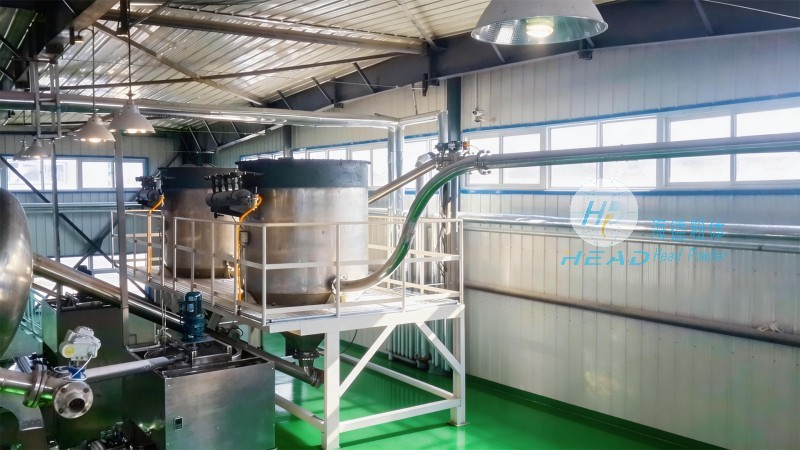
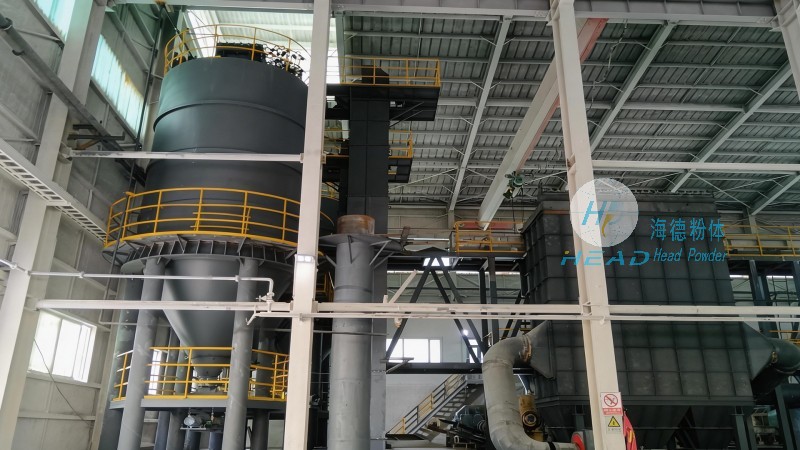
dry sand is fully suitable for pneumatic conveying, because its particles are fine, low density, good fluidity and no obvious adhesion, which meets the requirements of pneumatic conveying for powdery materials, and the quality of closed conveying is good. Pneumatic conveying uses compressed air or vacuum as the power source to form an airflow belt material in a closed pipeline, which is separated by the separator and gas-solid. According to the conveying pressure and power form, it is divided into negative pressure suction type, positive pressure pressure pressure and mixed type, and dilute phase transportation is mostly used according to the gas-solid mixing concentration.

pneumatic conveying of dry sand is a transportation method that transports dry sand and other solid particles to a designated place through compressed air, and its working principle is to use the air flow generated by compressed air to push the material out of the conveying pipeline, which has the advantages of high transportation efficiency, low energy consumption, and easy operation, and is widely used in coal, cement, grain, chemical and other industries. In the process of transportation, the mixture of dry sand and air forms a high-speed airflow in the pipeline, through the guidance and transportation of the pipeline, to achieve the continuous transportation of materials, at the same time, the dry sand in the pipeline is constantly affected by air impact and friction, gradually crushed and refined, improving the transportation efficiency and material quality.

pneumatic conveying of dry sand has the advantages of long transportation distance, low energy consumption, strong conveying capacity, stable conveying process, environmental friendliness, easy operation, and low maintenance cost, which is especially suitable for long-distance and high-flow dry sand transportation, which can effectively improve production efficiency and economic benefits.
The precautions for pneumatic conveying of dry sand include: 1. determine the conveying distance, conveying volume and conveying pressure; 2. Choose the right conveying pipeline and conveying equipment; 3. Consider the characteristics of sand grains such as particle size, shape and water content; 4. Pay attention to the pipeline layout and support structure design; 5. Optimize the conveying system and reduce energy consumption; 6. Ensure that the system is safe and reliable to prevent leaks and blockages.
Heide dry sand pneumatic conveying system shows obvious advantages in the field of material handling with its efficient conveying capacity, stable operation performance and low energy consumption. The system adopts advanced pneumatic conveying technology to achieve long-distance and large-flow transportation, suitable for all kinds of dry sand materials, effectively reduce energy consumption and environmental pollution in the transportation process, and ensure the continuity and stability of the conveying process, bringing users reliable and economical material transportation solutions.
pneumatic conveying method of dry sand has the advantages of high system conveying efficiency, good conveying quality and fast conveying speed, but it also has disadvantages such as high energy consumption and large wear on pipelines. With years of industry experience, Hyde Powder can design conveying solutions for thousands of materials to ensure more efficient and reliable material transportation. Everyone is welcome to share your views and discussions in the comment area. Hyde Powder is committed to making material handling easier and more efficient!

 Shandong Haide Powder Engineering Co., Ltd
 156-6277-7102(Manager Zhang)
  0531-83386006
  No. 1 Shanggao Industrial Park, Zhangqiu District, Jinan City, Shandong Province
 telephone
top