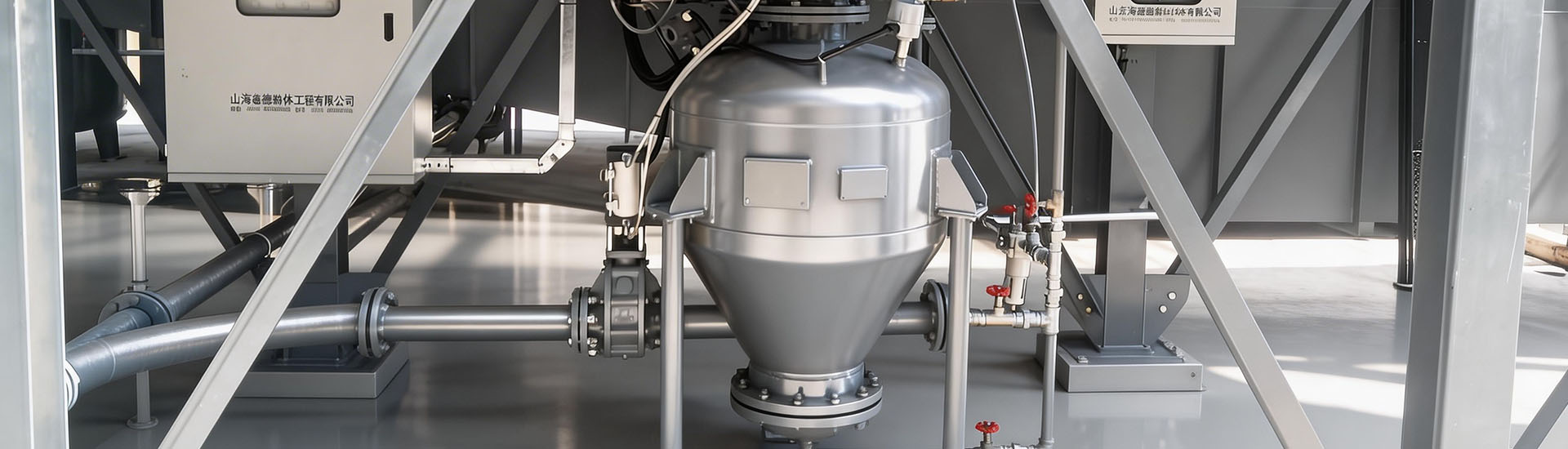
Mobile rotary feeders are critical components in material handling systems across various industries, including mining, construction, and agriculture. For manufacturers of these devices, understanding and addressing key factors is essential to ensure optimal performance, durability, and efficiency. The design, materials, control systems, and maintenance considerations all play pivotal roles in the success of a mobile rotary feeder, and each must be carefully evaluated to meet the specific demands of modern industrial applications.
One of the primary factors manufacturers must consider is the structural design of the mobile rotary feeder. The feeder must withstand heavy loads and harsh operating conditions, such as vibrations, temperature fluctuations, and abrasive materials. A robust frame, typically made from high-strength steel, ensures durability and reduces the risk of failure during operation. The rotational mechanism, often driven by electric or hydraulic motors, requires precise engineering to maintain consistent speed and torque. Additionally, the feeder's mobility, facilitated by wheels or tracks, demands a well-balanced design that minimizes stress on the structure during movement. Manufacturers must conduct thorough stress analysis and testing to validate the design before production.

Choosing the right materials is crucial for the longevity and performance of a mobile rotary feeder. The components in contact with the material, such as the hopper, chute, and rotary drum, are often exposed to wear and corrosion. High-chrome steel or abrasion-resistant alloys are commonly used for these parts to extend their service life. For environments with corrosive substances, materials like stainless steel or coated surfaces may be necessary. The selection also considers the material being handled—for example, handling wet or sticky materials may require non-stick coatings or special liners. Manufacturers must evaluate the material's properties and the operating environment to select materials that balance cost, durability, and functionality.
Modern mobile rotary feeders increasingly incorporate advanced control systems to enhance efficiency and safety. These systems typically include sensors for level monitoring, flow rate measurement, and overload detection. The integration of automation allows for real-time adjustments to feeding rates, ensuring consistent material flow and preventing equipment damage. Manufacturers must consider the compatibility of these systems with existing industrial control networks, such as PLCs (Programmable Logic Controllers) or SCADA (Supervisory Control and Data Acquisition) systems. User-friendly interfaces and remote monitoring capabilities further improve operational efficiency and reduce downtime. The choice of control system directly impacts the feeder's adaptability to different processes and its ability to meet regulatory requirements.

Maintenance accessibility is a critical factor for manufacturers, as it directly impacts the feeder's uptime and operational costs. Designing the feeder with easy-to-reach components, such as removable covers and quick-release mechanisms, simplifies routine maintenance and reduces downtime. Predictive maintenance strategies, supported by sensors that monitor wear and performance, can help identify potential issues before they cause failures. Manufacturers should also consider the availability of spare parts and the expertise required for maintenance. A reliable feeder not only performs well but also provides a lower total cost of ownership, making it a key consideration for industrial buyers.
Given the diverse applications of mobile rotary feeders, manufacturers must prioritize customization. Different industries have unique requirements: mining operations may need feeders capable of handling large, irregularly shaped rocks, while construction sites might require feeders that can process aggregates efficiently. Agricultural feeders, on the other hand, may need to handle grain or feed with varying moisture content. Manufacturers should offer modular designs that allow for easy adjustments, such as varying the drum diameter, speed, or feeding capacity. Collaborating closely with clients to understand their specific needs ensures that the final product is tailored to their processes, enhancing performance and user satisfaction. Customization also helps manufacturers differentiate their products in a competitive market.

At Head powder, we understand the critical factors that define a high-performance mobile rotary feeder. Our team of experts designs and manufactures feeders that prioritize structural integrity, material durability, advanced control, and user-friendly maintenance. Whether you need a standard model or a fully customized solution, we are committed to delivering equipment that meets your specific industrial requirements. Contact us today to learn more about how our mobile rotary feeders can optimize your material handling processes.

 Shandong Haide Powder Engineering Co., Ltd
 156-6277-7102(Manager Zhang)
  0531-83386006
  No. 1 Shanggao Industrial Park, Zhangqiu District, Jinan City, Shandong Province
 telephone
top