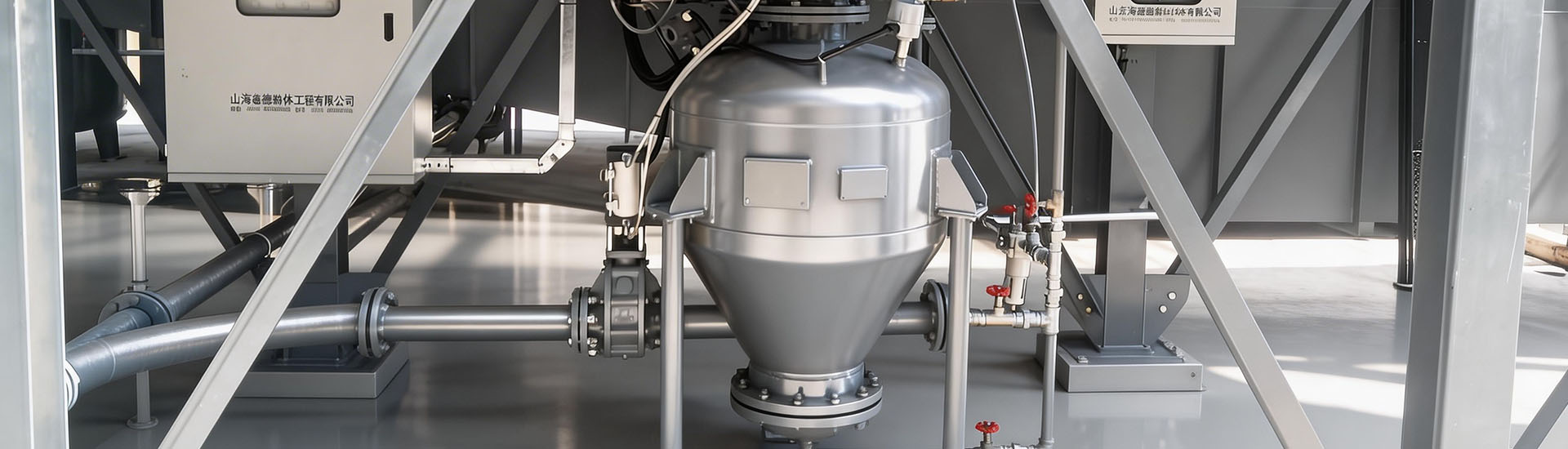
When it comes to designing and manufacturing pneumatic conveying systems for corn straw materials, manufacturers face a unique set of challenges. Corn straw, with its fibrous and variable density, demands specialized equipment that can handle the material's physical properties while ensuring efficient and reliable transport. The success of such systems hinges on several critical factors, from material characteristics to system integration and long-term performance.
Corn straw's inherent properties, such as moisture content, fiber length, and bulk density, directly impact the choice of conveying method and equipment. High moisture levels can lead to material clumping, while varying fiber lengths affect air resistance and system pressure requirements. Manufacturers must conduct thorough material testing to understand these variables, as they are crucial for selecting the right air velocity, pipeline diameter, and pressure levels. For instance, a system designed for dry, short-straw may not perform optimally with wet, long-straw, highlighting the need for adaptive solutions.

The pneumatic conveying system's design involves careful consideration of pressure levels, pipeline configuration, and air source quality. Positive pressure systems, where air is pushed through the pipeline, are often preferred for corn straw due to their ability to handle long distances and varying material loads. Negative pressure systems, on the other hand, are suitable for short distances and may be less effective with fibrous materials. The choice of pipeline material—such as stainless steel or PVC—also matters, as it must resist corrosion from moisture and potential contaminants. Additionally, the air compressor's capacity and efficiency directly affect operational costs and system reliability, making it a key factor in long-term planning.
Selecting the right components, including the air compressor, material feeders, and separation devices, is essential for system performance. The feeder must be able to handle the material's bulk density and flow characteristics without causing blockages or uneven feeding. Separators and filters are critical for removing debris and maintaining air quality, preventing system clogs and reducing maintenance needs. Manufacturers often opt for adjustable components that can be fine-tuned based on real-time material conditions, ensuring optimal operation. For example, a rotary valve feeder might be more suitable for dry straw than a screw feeder, as it minimizes material degradation and maintains consistent flow rates.

Long-term success of a corn straw pneumatic conveying system depends on its reliability and ease of maintenance. Regular inspections of pipelines, compressors, and filters are necessary to prevent breakdowns and ensure consistent performance. The system's design should include features like easy access panels and replaceable parts, reducing downtime and maintenance costs. Additionally, manufacturers should consider the durability of components, especially those exposed to abrasive materials like corn straw. High-quality materials and robust construction can extend the system's lifespan, making it a more cost-effective solution over time. For instance, stainless steel pipelines are more resistant to corrosion than plastic ones, reducing the need for frequent replacements.
Manufacturers must evaluate the total cost of ownership, including initial equipment costs, installation expenses, and ongoing operational costs. While high-end systems may have a higher upfront investment, they often offer better efficiency and lower maintenance costs in the long run. Energy consumption is a significant factor, as the air compressor accounts for a large portion of operational expenses. Energy-efficient compressors and optimized system designs can reduce electricity costs, making the system more economically viable. Moreover, the system's scalability—its ability to handle increased material volumes or future expansion—should be considered, as it affects the overall return on investment (ROI).

At Head powder, we understand these critical factors and design pneumatic conveying systems tailored to the unique needs of corn straw materials. Our expertise in material handling and system integration ensures that our equipment delivers reliable performance, reduces operational costs, and meets the highest standards of efficiency. Whether you're looking to upgrade an existing system or design a new one, our team of experts can provide tailored solutions that address your specific challenges. Contact us today to learn more about how our pneumatic conveying systems can enhance your corn straw processing operations.

 Shandong Haide Powder Engineering Co., Ltd
 156-6277-7102(Manager Zhang)
  0531-83386006
  No. 1 Shanggao Industrial Park, Zhangqiu District, Jinan City, Shandong Province
 telephone
top