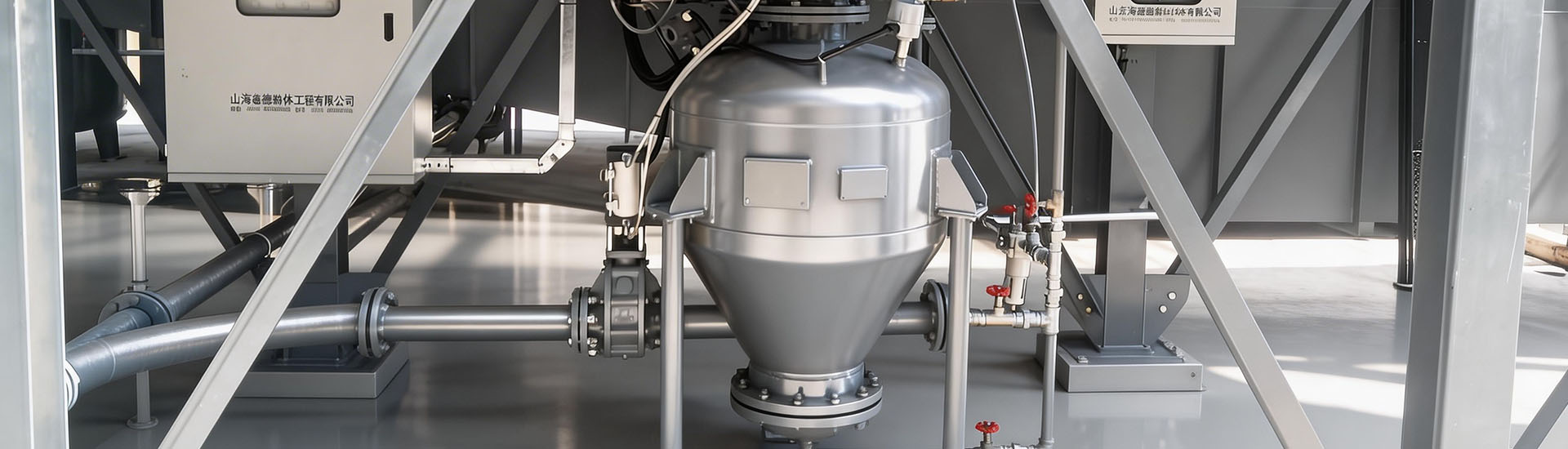
In the modern industrial landscape, the efficient handling of magnesium silicate powder has become a critical concern for manufacturers. As a key raw material in various industries, including construction, ceramics, and chemical processing, the reliable and cost-effective transportation of magnesium silicate powder is essential for maintaining production efficiency and product quality. However, selecting the right pneumatic conveying system equipment for this specific powder can be a complex task, given its unique properties such as high moisture content, abrasive nature, and potential for caking. This article aims to guide professionals through the key considerations and factors to evaluate when choosing magnesium silicate powder pneumatic conveying system equipment, ensuring optimal performance and long-term operational success.
When selecting a magnesium silicate powder pneumatic conveying system equipment, the first decision point is whether to opt for a positive pressure or negative pressure system. Positive pressure systems, which blow air into the conveying line, are often preferred for handling magnesium silicate powder due to their ability to handle longer distances and higher material loads. They are particularly effective when dealing with abrasive or sticky powders, as the constant air flow helps prevent material buildup and clogging. On the other hand, negative pressure systems, which suck material into the line, are suitable for applications where dust control is a priority or when the powder needs to be transported from multiple sources. The choice between these systems depends on the specific production environment, distance requirements, and the nature of the magnesium silicate powder being handled.

The design of the pneumatic conveying system equipment for magnesium silicate powder must carefully consider the air-to-solid ratio and pipeline layout. The air-to-solid ratio, which is the ratio of air volume to powder volume, directly impacts the system's efficiency and energy consumption. For magnesium silicate powder, an optimal ratio is typically between 5:1 to 10:1, ensuring sufficient air to lift and transport the powder without excessive energy use. The pipeline layout, including the number of bends, vertical and horizontal sections, and the use of expansion joints, also plays a crucial role. Properly designed pipelines minimize pressure drops and prevent material accumulation, which can lead to system inefficiencies or equipment damage. A well-planned layout, tailored to the specific characteristics of magnesium silicate powder, is essential for achieving consistent and reliable conveying performance.
The material selection for the pneumatic conveying system equipment is another critical factor, especially when dealing with magnesium silicate powder. Magnesium silicate powder is known for its abrasive and corrosive properties, which can quickly wear down standard metal components. Therefore, using high-quality materials such as stainless steel (e.g., 316L) or specialized alloys is essential to ensure the longevity of the system. These materials provide excellent resistance to corrosion and wear, reducing the need for frequent maintenance and replacement. Additionally, components like cyclones, filters, and valves should be made from materials that can withstand the chemical interactions with the powder, preventing degradation and ensuring the system's overall reliability. Investing in durable materials upfront can significantly reduce long-term operational costs and downtime.

Maintenance and reliability are paramount when choosing magnesium silicate powder pneumatic conveying system equipment. A system that requires minimal maintenance and offers high reliability is crucial for maintaining production continuity. This includes features like easy access to components for cleaning and replacement, as well as advanced monitoring systems that alert operators to potential issues before they become major problems. Regular maintenance, such as cleaning cyclones, checking air filters, and inspecting pipeline integrity, is essential to prevent clogging and ensure consistent performance. By selecting a system with a robust design and reliable components, manufacturers can minimize downtime and maximize the operational lifespan of their equipment. This approach not only improves efficiency but also reduces the total cost of ownership over the system's life.

To ensure the best performance and longevity of your magnesium silicate powder pneumatic conveying system equipment, it is essential to partner with a reputable manufacturer like Head powder. At Head powder, we specialize in designing and manufacturing customized pneumatic conveying systems tailored to the unique needs of magnesium silicate powder. Our team of experts works closely with clients to assess their specific requirements, from material properties to production scale, and provides tailored solutions that optimize efficiency and reduce operational costs. Whether you need a positive pressure system for long-distance transport or a negative pressure system for dust control, our magnesium silicate powder pneumatic conveying system equipment is engineered to meet the highest standards of performance and reliability. Contact us today to learn more about how our solutions can enhance your production processes and improve your bottom line.

 Shandong Haide Powder Engineering Co., Ltd
 156-6277-7102(Manager Zhang)
  0531-83386006
  No. 1 Shanggao Industrial Park, Zhangqiu District, Jinan City, Shandong Province
 telephone
top