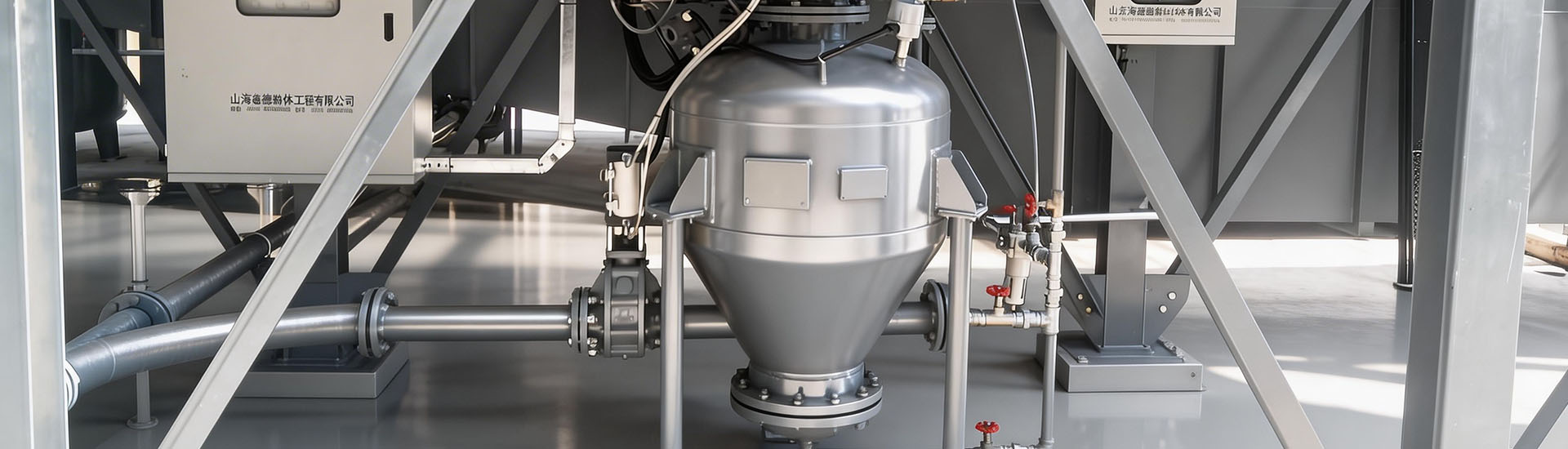
When selecting a pneumatic ash transport system, several critical factors must be carefully evaluated to ensure optimal performance and long-term efficiency. The choice of system directly impacts operational costs, reliability, and the overall sustainability of industrial processes, particularly in power generation and manufacturing facilities where ash handling is a routine but essential task. For instance, a Gas is used to transport ash system is often the preferred solution for its flexibility and ability to handle diverse ash types, making it a popular choice among industrial clients.
System pressure is a foundational parameter that dictates the capacity and distance of ash transport. Higher pressure systems, such as those using compressed air or gas, can handle longer distances and larger volumes but may increase energy consumption and maintenance demands. For example, a Gas is used to transport ash system with adjustable pressure control allows users to optimize flow rates based on the distance between the ash source and disposal point, ensuring consistent and efficient material movement without excessive energy waste. Properly matching pressure to the required flow rate is crucial for preventing clogs and maintaining system reliability.

The type of ash being transported—whether it is fine, dry, or contains moisture—requires specific equipment materials to prevent wear and corrosion. High-quality components, such as stainless steel or specialized alloys, are essential for systems handling abrasive or corrosive ash. For example, Head powder's pneumatic ash transport solutions incorporate durable materials that resist degradation from acidic or alkaline ash, extending the lifespan of the system and reducing replacement costs. Additionally, the design of the transport line, including the use of flexible hoses or rigid pipes, must be tailored to the ash's physical properties to minimize blockages and ensure smooth operation.

Long-term cost-effectiveness is a key consideration when selecting a pneumatic ash transport system. Regular maintenance, including filter replacement and component inspection, is necessary to maintain performance. Systems with easy-to-access components and modular designs simplify maintenance, reducing downtime and labor costs. Furthermore, energy efficiency plays a significant role in operational expenses. A well-designed Gas is used to transport ash system minimizes energy consumption by optimizing pressure and flow, leading to lower utility bills over time. Businesses should also evaluate the availability of spare parts and technical support from the manufacturer to ensure quick resolution of any issues that may arise.

At Head powder, we understand that each industrial facility has unique ash handling challenges. Our expertise in pneumatic ash transport systems allows us to provide customized solutions that address specific operational needs, from small-scale applications to large-scale power plants. Whether you need to transport ash over short or long distances, or handle varying ash compositions, our team of professionals can help you select the right system. Contact us today to learn more about our products and how we can optimize your ash transport process.

 Shandong Haide Powder Engineering Co., Ltd
 156-6277-7102(Manager Zhang)
  0531-83386006
  No. 1 Shanggao Industrial Park, Zhangqiu District, Jinan City, Shandong Province
 telephone
top