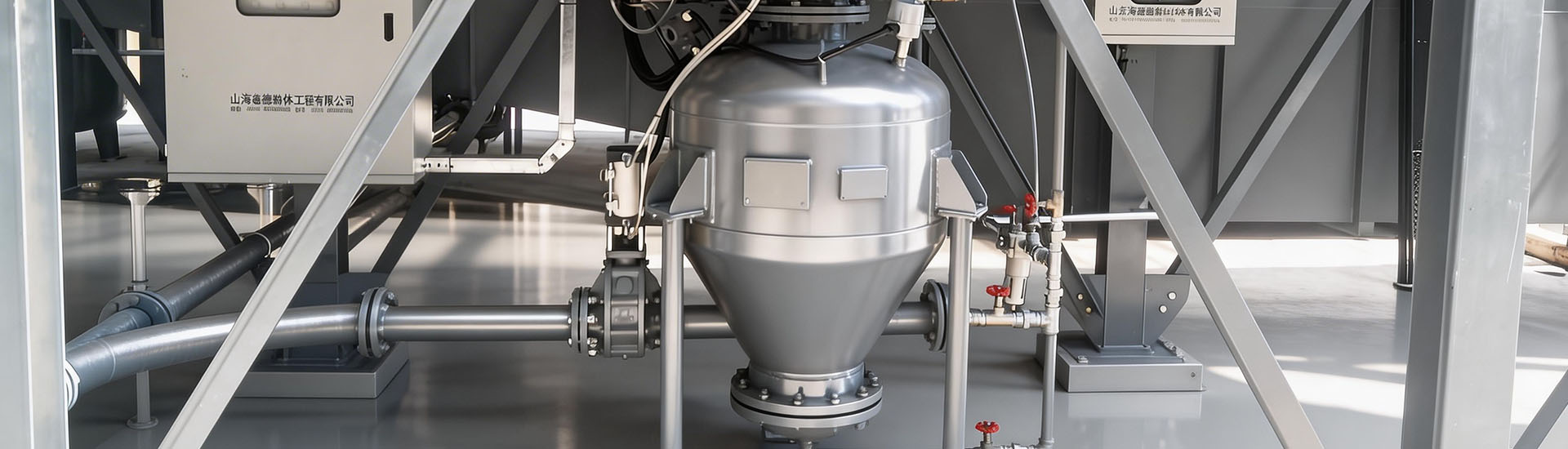
Biomass material pneumatic conveying has become a critical technology in the modern energy and industrial sectors, enabling efficient transport of organic materials like wood chips, straw, and agricultural residues. For manufacturers specializing in this field, understanding and addressing key factors is essential to design and implement systems that are efficient, reliable, and cost-effective. The success of a pneumatic conveying system for biomass materials hinges on a comprehensive evaluation of several critical elements, from material properties to equipment selection and long-term maintenance.
The physical characteristics of biomass materials are the primary determinants of system design. Factors such as particle size distribution, moisture content, bulk density, and flowability directly impact the choice of conveying method and equipment. For example, dry wood chips with uniform particle sizes are easier to handle via positive pressure systems, while wet or sticky materials like straw may require negative pressure or vacuum systems to prevent blockages. Understanding these properties allows manufacturers to select the appropriate air velocity, pressure, and equipment, ensuring optimal performance and minimizing operational issues.

System pressure and flow rate are critical parameters that directly affect the efficiency and longevity of the pneumatic conveying system. Positive pressure systems, which push material through the pipeline using compressed air, are often preferred for long-distance or high-volume applications due to their ability to maintain consistent flow. However, they require robust equipment and higher energy input. Negative pressure systems, which pull material using vacuum, are suitable for shorter distances or when handling fine powders. The flow rate must be matched to the material's characteristics to avoid excessive wear on components like pumps and filters. Manufacturers must balance these factors to achieve high efficiency without compromising equipment lifespan.
The selection of key components, including feeders, pipelines, separators, and filters, is crucial for the system's performance. Feeders like rotary valves or screw feeders control the material flow rate, while pipelines made of stainless steel or plastic must withstand the material's abrasiveness and moisture. Separators and filters are essential to remove air from the material stream and prevent dust accumulation, which can affect downstream processes. Choosing the right equipment based on the material's properties and system requirements ensures smooth operation and reduces maintenance costs. For instance, a system handling abrasive wood chips may require reinforced pipelines and specialized feeders to prevent wear and tear.
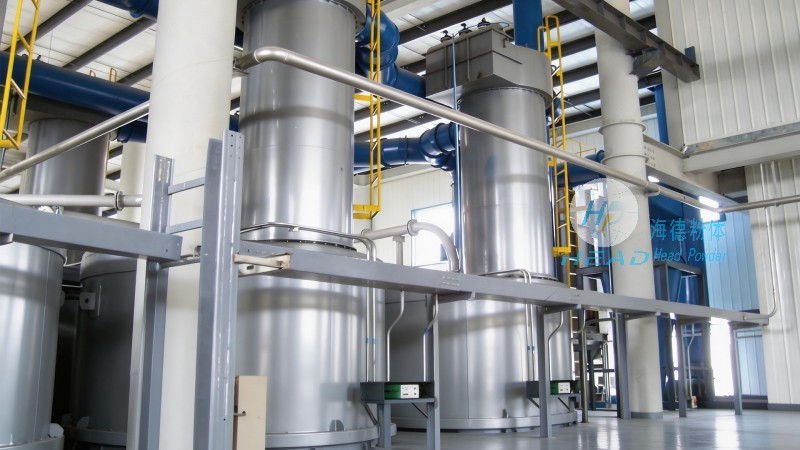
Regular maintenance is vital to maintain the efficiency and reliability of biomass material pneumatic conveying systems. This includes cleaning pipelines to prevent blockages, replacing filters to ensure proper air flow, and inspecting seals and bearings for wear. Proper maintenance not only extends the equipment's lifespan but also reduces energy consumption and operational costs. Manufacturers should also consider implementing monitoring systems to track performance metrics, allowing for timely adjustments and optimization. By prioritizing maintenance, companies can ensure consistent performance and minimize downtime, which is critical for industrial applications.
Initial investment, operational costs, and long-term sustainability are key considerations for manufacturers. The cost of equipment, installation, and energy consumption must be weighed against the system's efficiency and lifespan. Sustainable practices, such as using energy-efficient motors, recycling materials, and reducing waste, are increasingly important for modern manufacturers. Additionally, the choice of materials and equipment can impact the system's environmental footprint. For example, using stainless steel pipelines instead of plastic may increase initial costs but reduce long-term maintenance and environmental impact. Manufacturers must evaluate these factors to make informed decisions that align with both economic and environmental goals.

At Head Powder, we understand the complexities of biomass material pneumatic conveying and offer tailored solutions to meet the unique needs of our clients. Our expertise in system design, equipment selection, and maintenance ensures that your pneumatic conveying system operates efficiently and reliably. Whether you need a new system or want to optimize an existing one, we are here to provide expert guidance and support. Contact us today to learn more about how our solutions can enhance your biomass material handling processes.

 Shandong Haide Powder Engineering Co., Ltd
 156-6277-7102(Manager Zhang)
  0531-83386006
  No. 1 Shanggao Industrial Park, Zhangqiu District, Jinan City, Shandong Province
 telephone
top