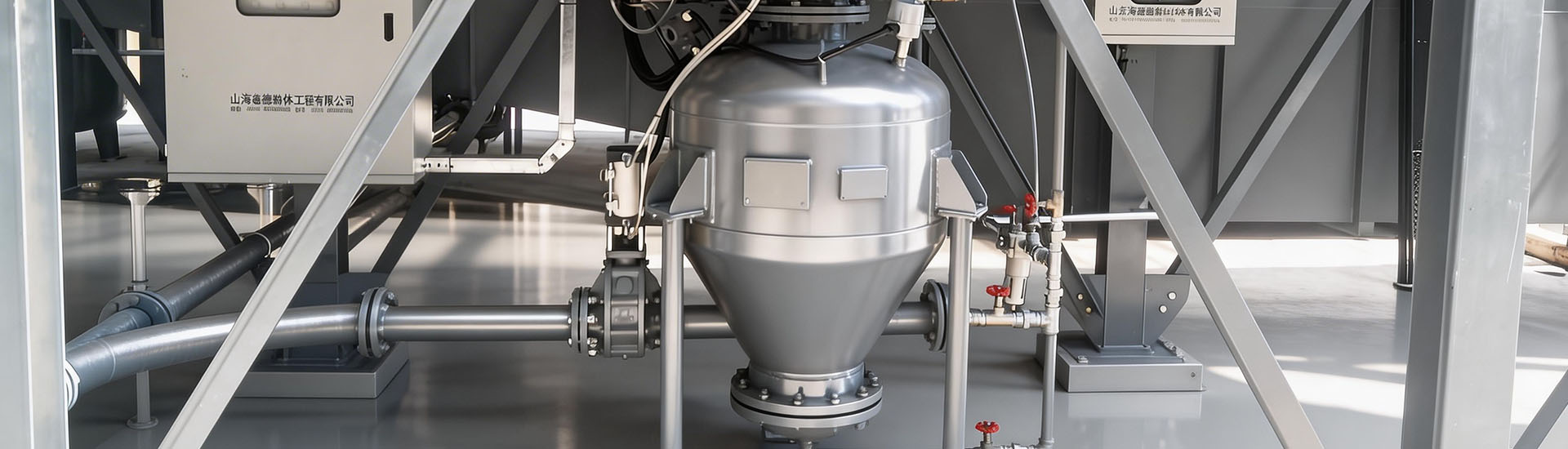
For manufacturers of weighing feeders, the success of their products hinges on a comprehensive understanding of critical factors that influence performance, durability, and user satisfaction. These elements range from the choice of raw materials and manufacturing processes to the integration of advanced control technologies and adaptability to diverse industrial applications. A thorough evaluation of such factors is essential to deliver feeders that meet stringent industry standards and deliver consistent, accurate feeding results.
The foundation of a reliable weighing feeder lies in the quality of its components. Manufacturers must carefully select materials that can withstand the rigors of continuous operation, such as stainless steel for corrosion resistance and high-strength alloys for structural integrity. Precision machining and advanced heat treatment processes are equally vital, as they ensure tight tolerances and reduce wear over time. By prioritizing robust materials and meticulous manufacturing, manufacturers can enhance the feeder's longevity and maintain its accuracy across various operating conditions.

Accuracy is the core of any gravimetric feeder, and this depends heavily on the integration of high-quality sensors and sophisticated control systems. Modern feeders utilize load cells or strain gauges to measure weight with milligram-level precision, while PLCs and digital controllers enable real-time adjustments to feeding rates. Manufacturers must also consider calibration methods, such as zero and span adjustments, to ensure consistent performance. The synergy between these technologies is crucial for minimizing material waste and optimizing production efficiency, making it a key consideration for any manufacturer.
Different industries have unique requirements for feeding processes. For instance, the food industry demands hygienic, easy-to-clean designs, while the chemical industry may require explosion-proof features and resistance to aggressive materials. Manufacturers must assess the physical properties of the materials being fed—such as particle size, flowability, and moisture content—to tailor the feeder's design. This adaptability ensures that the equipment can handle a wide range of applications, from fine powders to bulk materials, making it a valuable asset for clients across sectors.

Long-term performance is closely tied to the feeder's reliability and ease of maintenance. Manufacturers should focus on modular designs that allow for quick replacement of worn parts, reducing downtime. Additionally, features like self-diagnostics and remote monitoring can help identify issues before they escalate, improving operational uptime. By prioritizing these aspects, manufacturers not only enhance the user experience but also build trust with clients who rely on consistent, trouble-free operation.

At Head powder, we understand that these factors are not just technical considerations but strategic decisions that impact your bottom line. Our team of experts meticulously evaluates each element—from material selection to control systems—to deliver custom weighing feeders that meet your specific needs. Whether you're in the food, chemical, or construction industry, we're committed to providing solutions that enhance precision, efficiency, and reliability. Contact us today to learn more about how our advanced weighing feeders can optimize your production processes.

 Shandong Haide Powder Engineering Co., Ltd
 156-6277-7102(Manager Zhang)
  0531-83386006
  No. 1 Shanggao Industrial Park, Zhangqiu District, Jinan City, Shandong Province
 telephone
top