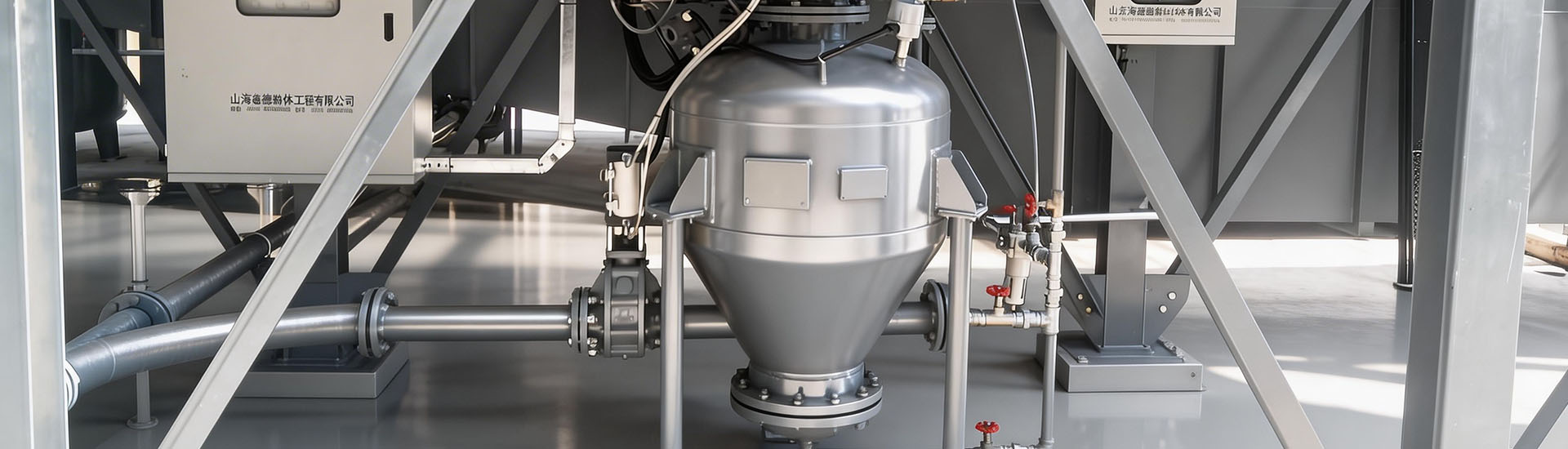
PE particle pneumatic conveying has become a cornerstone in modern material handling, offering efficient and reliable solutions for transporting polyethylene (PE) particles across various industrial settings. As industries strive for enhanced productivity and reduced operational costs, understanding the principles and benefits of PE pneumatic conveying systems is crucial. This article delves into the technology, exploring how it revolutionizes material transport and what makes it a preferred choice for manufacturers and engineers alike.
At its core, PE particle pneumatic conveying involves the use of air or gas to transport PE particles through a pipeline system. Unlike traditional mechanical conveying methods, this technology relies on the force of compressed air to move materials, eliminating the need for mechanical components like belts or buckets. The process typically starts with a hopper or feeder that loads PE particles into a conveying line, where they are carried by the air flow to the destination. This method is particularly effective for handling fine or abrasive PE particles, as it minimizes material degradation and ensures consistent flow rates.
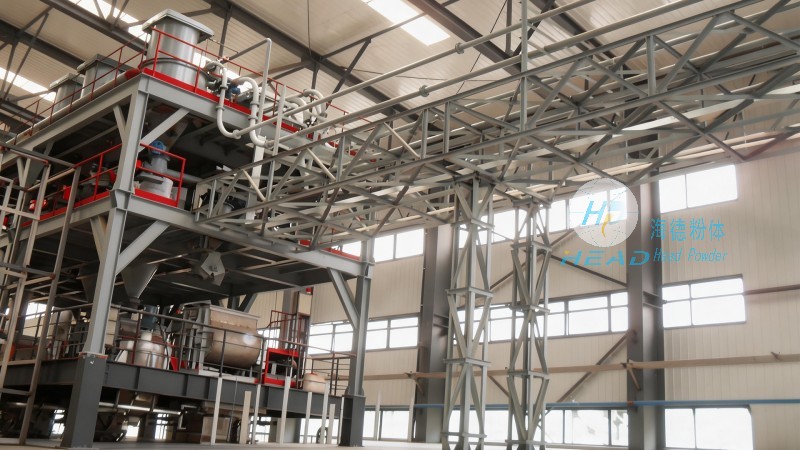
One of the primary advantages of PE pneumatic conveying is its ability to handle a wide range of particle sizes and shapes, from fine powders to larger granules. This versatility makes it suitable for diverse applications, including plastic processing, chemical manufacturing, and food processing. Additionally, PE pneumatic conveying systems offer high efficiency, with minimal downtime and reduced maintenance requirements compared to traditional methods. The technology also provides better control over material flow, allowing for precise dosing and distribution, which is critical in industries where accuracy is paramount. Furthermore, the system's ability to transport materials over long distances without the need for intermediate storage or handling points streamlines production processes, leading to significant cost savings.
The effectiveness of a PE pneumatic conveying system depends on several critical components. The most essential is the air compressor, which generates the necessary pressure to move the particles. The compressor must be capable of delivering consistent air flow and pressure to ensure smooth operation. Another key component is the hopper or feeder, which holds the PE particles and controls the rate of discharge. The conveying line itself, often made of durable materials like stainless steel or plastic, must be designed to withstand the pressure and abrasion from the particles. Additionally, the system includes control valves, filters, and dust collectors to manage air quality and prevent material buildup. Each component works in harmony to ensure the efficient and safe transport of PE particles, making the system reliable and long-lasting.

PE particle pneumatic conveying is widely used across various industries, each benefiting from its unique advantages. In the plastic industry, for example, PE particles are commonly used in the production of films, bottles, and containers. The pneumatic conveying system ensures that raw materials are transported efficiently from storage to processing equipment, reducing the risk of contamination and improving product quality. In the chemical industry, where PE particles may be used as additives or fillers, the system provides a clean and controlled method of handling materials, minimizing exposure to dust and ensuring compliance with safety regulations. The food industry also leverages PE pneumatic conveying for transporting food-grade PE particles, such as those used in packaging or as a component in food products. The system's ability to maintain a sterile environment and prevent cross-contamination makes it ideal for food processing applications. Moreover, in the pharmaceutical industry, where precision and purity are critical, PE pneumatic conveying systems are used to transport active ingredients or excipients, ensuring that the final product meets stringent quality standards.
When selecting a PE pneumatic conveying system, several factors must be considered to ensure optimal performance. The first is the type of material being conveyed, as different PE particles have varying properties that affect the system's design. For example, fine PE powders may require a different hopper design and air flow rate compared to larger granules. The second factor is the distance and layout of the conveying line, as this determines the required pressure and air volume. Additionally, the system's capacity and flow rate must match the production requirements to avoid bottlenecks or overloading. It is also essential to consider the environmental and safety aspects, such as dust control and explosion-proof features, especially in industries where flammable materials are involved. By working with experienced manufacturers like Head Powder, businesses can tailor a PE pneumatic conveying solution that meets their specific needs, ensuring long-term efficiency and reliability.
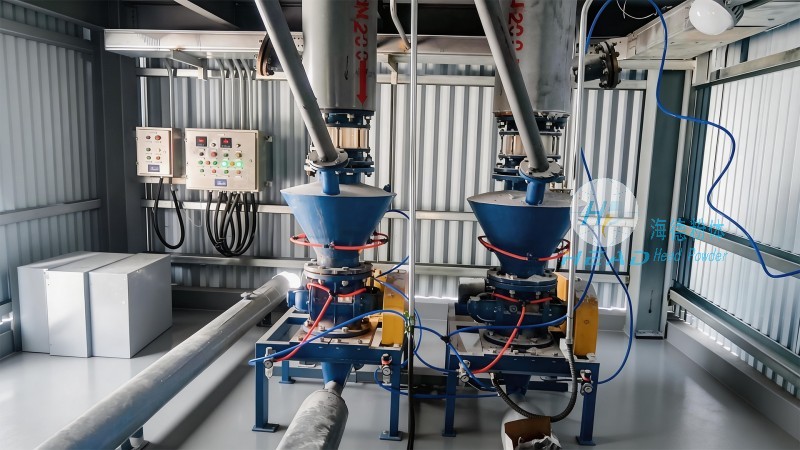
For businesses looking to enhance their material handling processes, investing in a PE particle pneumatic conveying system can lead to significant improvements in productivity and cost reduction. At Head Powder, we specialize in providing high-quality PE pneumatic conveying solutions tailored to the unique needs of our clients. Our team of experts works closely with customers to design and implement systems that optimize material transport, minimize downtime, and ensure compliance with industry standards. Whether you are in the plastic, chemical, food, or pharmaceutical industry, our PE pneumatic conveying systems offer the reliability and efficiency you need to stay ahead in a competitive market. Contact us today to learn more about how our PE particle pneumatic conveying solutions can transform your operations and drive success.

 Shandong Haide Powder Engineering Co., Ltd
 156-6277-7102(Manager Zhang)
  0531-83386006
  No. 1 Shanggao Industrial Park, Zhangqiu District, Jinan City, Shandong Province
 telephone
top