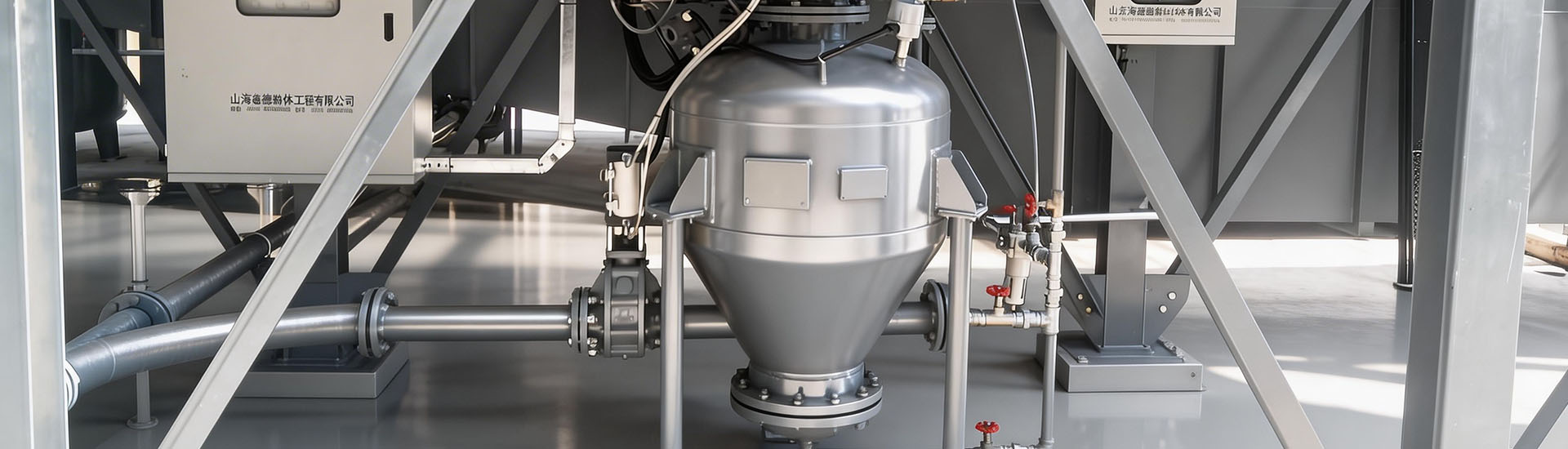
In the chemical industry, selecting the right flake soda powder pneumatic conveying system equipment is crucial for ensuring efficient, safe, and cost-effective material handling. Flake soda ash, with its unique physical and chemical properties—such as high alkalinity, hygroscopic nature, and varying particle sizes—poses specific challenges that traditional conveying methods may not address. A well-designed pneumatic conveying system not only optimizes production flow but also mitigates risks associated with material degradation, equipment corrosion, and operational inefficiencies. Understanding the key factors that influence system selection is essential for businesses aiming to enhance their processing capabilities and maintain compliance with industry standards.
When dealing with flake soda powder, the first step is to assess the material's characteristics. Flake soda ash typically has a particle size ranging from 1 to 5 mm and a bulk density of 0.8 to 1.0 g/cm³, which affects the air-to-solid ratio (A/S) in the pneumatic system. An improper A/S ratio can lead to blockages or reduced conveying efficiency. For example, in long-distance conveying (over 50 meters), a positive pressure system with a higher air velocity is often preferred to prevent material settling. Conversely, for short-distance applications, a negative pressure system might suffice. Additionally, the system's design must accommodate the powder's hygroscopic nature—ensuring that moisture is managed to prevent clumping, which can damage equipment or compromise product quality. Head powder's expertise in customizing system layouts, from pipeline configurations to valve placement, ensures that each component is optimized for the specific flake soda powder being handled.

Due to flake soda's strong alkaline properties, the choice of equipment material is critical. Standard carbon steel may corrode rapidly in contact with the powder, leading to leaks or system failure. Instead, materials like 316L stainless steel, which offers superior resistance to corrosion and high temperatures, are commonly used for pipelines, hoppers, and valves. For more aggressive environments, specialized alloys such as Hastelloy or titanium may be required, especially in areas exposed to direct contact with the powder. Additionally, wear-resistant coatings or liners can extend the lifespan of components like cyclones and filters. Head powder's commitment to using high-quality, corrosion-resistant materials ensures that the flake soda powder pneumatic conveying system equipment remains durable and reliable over extended operational periods, reducing maintenance costs and downtime.
The efficiency of a flake soda powder pneumatic conveying system directly impacts production throughput. Factors such as the system's pressure (positive or negative), air velocity, and pipeline diameter play a key role. A positive pressure system, where air is blown into the pipeline to push the powder, is ideal for conveying over long distances or through complex layouts. It maintains consistent material flow and prevents backflow. On the other hand, a negative pressure system (suction) is suitable for short distances or when the powder needs to be collected from multiple points. The system's stability is also crucial—preventing material segregation or degradation. For instance, head powder's flake soda powder pneumatic conveying system equipment often incorporates features like inline mixers or agitators to ensure uniform particle distribution, which is vital for downstream processes like chemical reactions or packaging. By optimizing these parameters, the system can achieve high conveying rates (up to 10-20 tons per hour for flake soda powder) while maintaining product integrity.

Long-term performance of the flake soda powder pneumatic conveying system equipment depends on regular maintenance and robust safety features. Head powder's systems are designed with easy access to components like filters, cyclones, and valves, simplifying cleaning and maintenance. This reduces downtime and operational costs. Safety is another critical factor, as flake soda ash can be hazardous if inhaled or if it comes into contact with skin. The system should include features like explosion-proof motors, dust collection systems, and emergency shut-off valves to mitigate risks. Additionally, monitoring systems (e.g., pressure sensors, flow meters) can provide real-time data on system performance, allowing for proactive maintenance and preventing unexpected failures. By prioritizing safety and maintenance, businesses can ensure that their flake soda powder pneumatic conveying system equipment operates reliably and complies with occupational health and safety regulations.
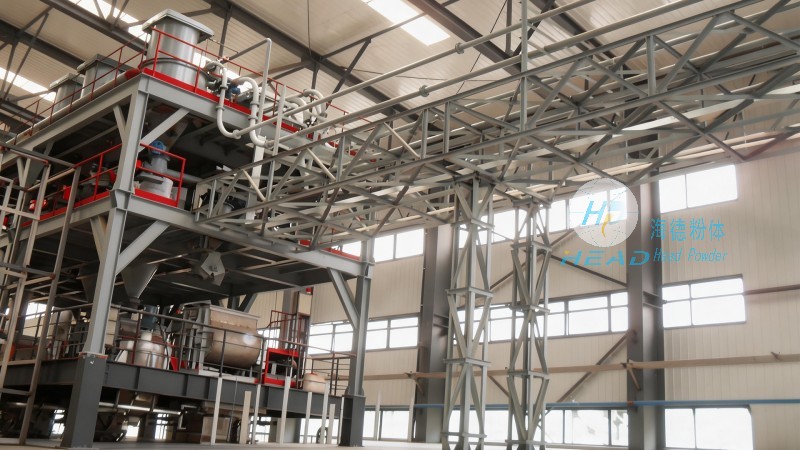
Choosing the right flake soda powder pneumatic conveying system equipment is a strategic decision that can significantly impact a company's operational efficiency and profitability. At Head powder, we specialize in designing and manufacturing customized systems tailored to the unique needs of flake soda powder handling. Our team of experts works closely with clients to assess their process requirements, material properties, and safety standards, ensuring that the final solution is both effective and sustainable. Whether you need a system for short-distance conveying or a complex, multi-stage setup, Head powder offers reliable, high-performance flake soda powder pneumatic conveying system equipment that meets industry benchmarks. Contact us today to learn more about how our solutions can optimize your material handling processes and drive your business forward.

 Shandong Haide Powder Engineering Co., Ltd
 156-6277-7102(Manager Zhang)
  0531-83386006
  No. 1 Shanggao Industrial Park, Zhangqiu District, Jinan City, Shandong Province
 telephone
top