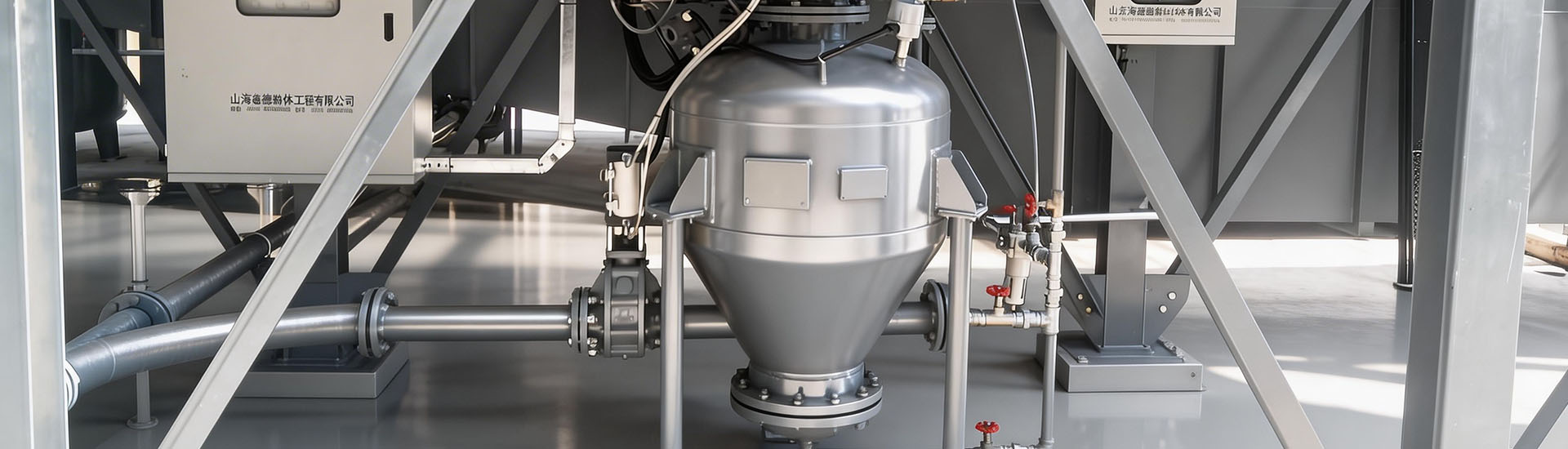
In modern industrial operations, long-distance material handling systems play a pivotal role in streamlining workflows and enhancing overall productivity. However, selecting the appropriate equipment for such systems can be a complex task, as it involves balancing various factors like material type, weight, distance, and operational speed. This article aims to guide professionals through the key considerations and best practices to ensure they choose a long-distance material conveying system equipment that meets their specific needs and delivers optimal performance.
Before diving into specific equipment types, it's crucial to conduct a thorough analysis of your operational requirements. Start by identifying the nature of the materials being handled—whether they are bulk materials, packaged goods, or heavy machinery parts. For instance, bulk materials like coal or grain may require robust belt conveyors, while lightweight, fragile items might need gentle handling systems such as chain-driven live roller conveyors. Additionally, consider the total distance the materials need to travel; long-distance systems often exceed 100 meters and may necessitate multiple segments or incline/decline sections to maintain efficiency. Operational speed is another critical factor: high-speed applications, such as in assembly lines, demand conveyors with adjustable speeds and precise control mechanisms.
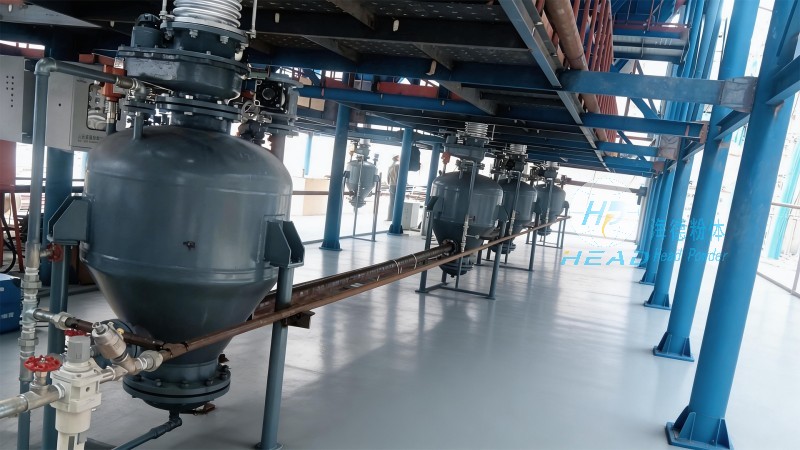
Once the requirements are clear, focus on the key components of a long-distance material handling system. The primary choice is often the type of conveyor: belt conveyors are ideal for continuous, high-volume material transport due to their low friction and ability to handle various loads. Chain conveyors, on the other hand, offer better traction for heavy or irregular items and can operate in harsh environments. For systems requiring vertical movement, inclined or vertical lift conveyors are essential, often integrated with motorized rollers or buckets to ensure smooth operation. The driving system is equally important; electric motors with variable frequency drives (VFDs) provide precise speed control and energy efficiency, reducing operational costs over time. Moreover, advanced control systems, including programmable logic controllers (PLCs) and sensors, enable real-time monitoring and automation, enhancing safety and reducing downtime.
Modern industrial facilities often have existing equipment and infrastructure, making system integration a key consideration. A well-designed long-distance material handling system should seamlessly connect with other machinery, such as forklifts, automated storage and retrieval systems (AS/RS), or packaging lines. This integration ensures smooth material flow and minimizes bottlenecks. For example, a conveyor system can be connected to an AS/RS to transport goods from the warehouse to the production floor, or to a packaging machine to feed products into boxes. Compatibility with existing power sources and control networks is also vital; using standard electrical interfaces and communication protocols (like Profibus or Ethernet/IP) simplifies installation and reduces integration costs. Additionally, consider the space constraints of your facility; modular or flexible systems can be adapted to fit existing layouts without major renovations.
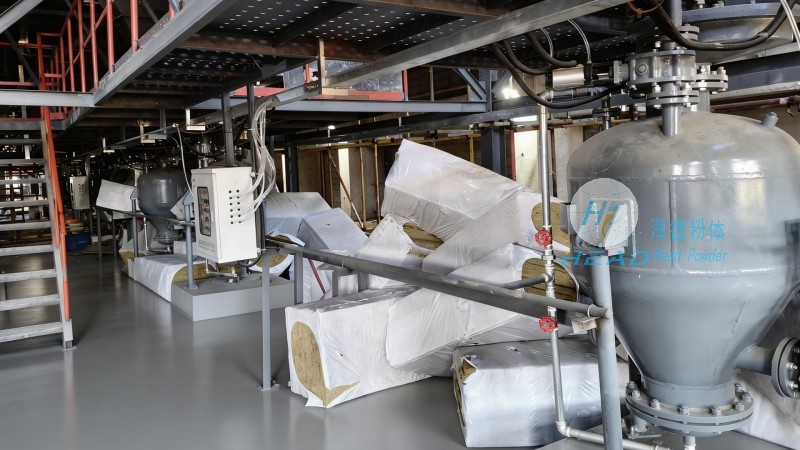
Long-term performance and reliability are critical factors when selecting long-distance material handling equipment. High-quality components, such as durable belts, heavy-duty chains, and robust motors, reduce the risk of breakdowns and extend the system's lifespan. Regular maintenance is essential, and choosing equipment with easy access to components (e.g., removable covers or modular parts) simplifies upkeep. Many manufacturers offer preventive maintenance programs or spare parts availability, which can significantly reduce downtime and maintenance costs. For instance, a conveyor system with a self-lubricating chain or a belt with a wear-resistant surface can minimize maintenance frequency. Additionally, consider the warranty and after-sales support provided by the manufacturer; a reliable support team can address issues promptly and ensure the system operates at peak efficiency.
Finally, selecting a reputable manufacturer is paramount to ensuring the quality and performance of your long-distance material handling system. Look for companies with extensive experience in the industry, a proven track record of successful installations, and a commitment to innovation. Manufacturers like Head powder specialize in designing and manufacturing customized long-distance material conveying systems tailored to specific industrial needs. They often provide comprehensive services, including system design, installation, and ongoing support, ensuring that the equipment meets not only current requirements but also future expansion plans. By choosing a trusted manufacturer, you can gain access to expert advice, advanced technology, and reliable support, ultimately leading to a more efficient and cost-effective material handling solution.
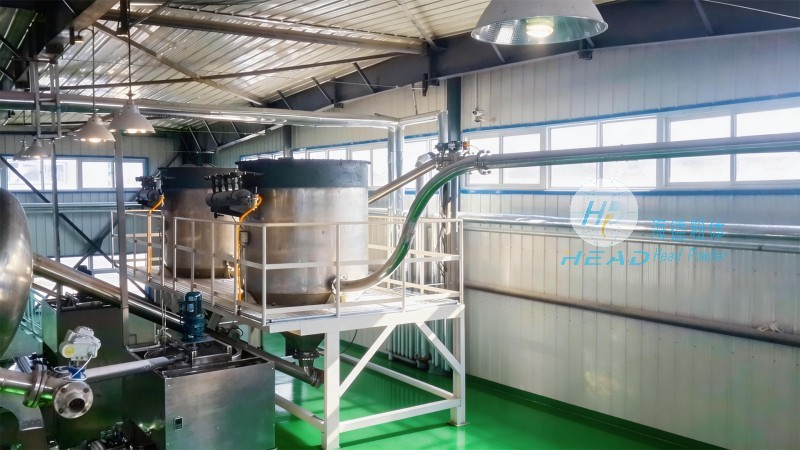
Choosing the right long-distance material handling system equipment is a strategic decision that can significantly impact your operational efficiency and bottom line. By following the guidelines outlined in this article—assessing your needs, understanding key components, ensuring system integration, prioritizing reliability, and selecting a reputable manufacturer—you can make an informed choice that delivers long-term value. For those seeking expert guidance and high-quality solutions, Head powder offers tailored long-distance material conveying systems that are designed to meet the most demanding industrial requirements. Contact us today to learn more about how our equipment can optimize your material handling processes and drive your business forward.

 Shandong Haide Powder Engineering Co., Ltd
 156-6277-7102(Manager Zhang)
  0531-83386006
  No. 1 Shanggao Industrial Park, Zhangqiu District, Jinan City, Shandong Province
 telephone
top