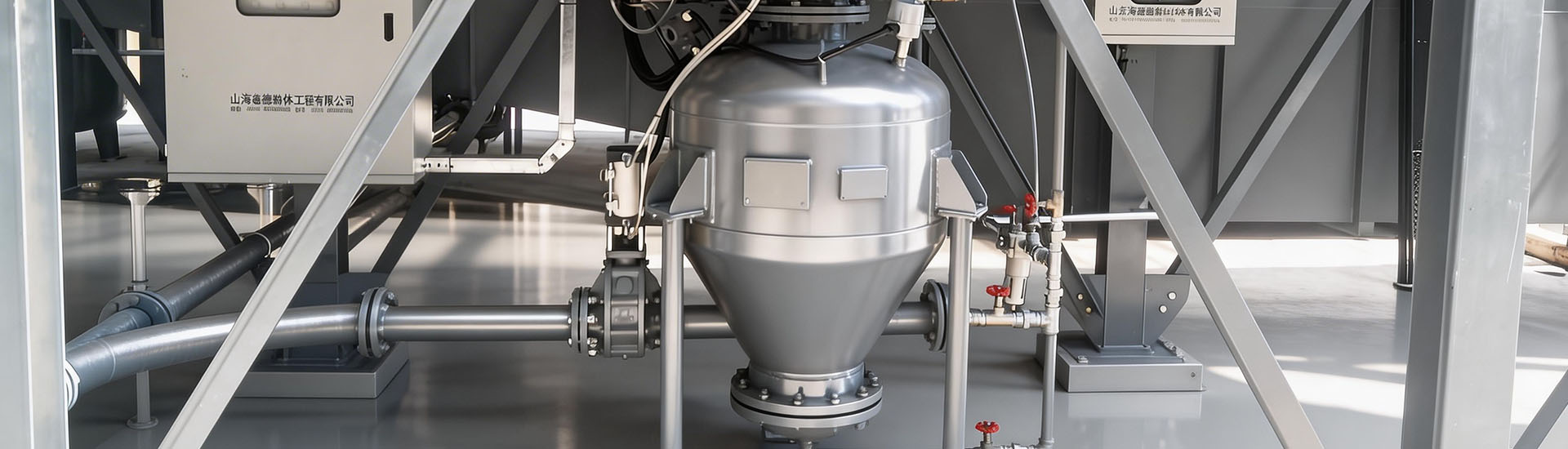
In the modern industrial landscape, the efficient and reliable transportation of raw gypsum has become a critical factor for manufacturers aiming to optimize production lines and enhance operational efficiency. Raw gypsum, a key raw material in construction and manufacturing, often requires specialized handling methods to ensure minimal dust generation and consistent flow. Pneumatic conveying systems have emerged as a preferred solution, offering advantages such as dust-free operation and the ability to transport materials over long distances. However, selecting the right pneumatic conveying system for raw gypsum is a complex process that involves careful consideration of various technical and operational factors. This article will systematically outline the general process steps involved in selecting an appropriate raw gypsum pneumatic conveying system, providing valuable insights for professionals in the industry.
Before diving into system selection, it is essential to conduct a thorough assessment of the raw gypsum properties. This includes evaluating its particle size distribution, moisture content, and bulk density, as these characteristics directly impact the conveying performance. For instance, fine-grained raw gypsum may require a different system design compared to coarser materials, as finer particles are more prone to clogging and require higher air velocity to maintain flow. Additionally, understanding the handling requirements, such as the required conveying distance, throughput capacity, and environmental regulations, is crucial. This initial step ensures that the subsequent system selection aligns with the specific needs of the application.

There are primarily two types of pneumatic conveying systems: positive pressure and negative pressure. Positive pressure systems, which use a blower to generate air pressure and push the material through the pipeline, are often preferred for raw gypsum due to their ability to handle abrasive materials and maintain consistent flow. Negative pressure systems, on the other hand, use a vacuum to draw material into the system, which may be more suitable for applications requiring dust collection and environmental control. For raw gypsum, positive pressure systems like the dilute phase and dense phase pneumatic conveying are commonly used. The dilute phase system is ideal for short to medium distances and moderate capacities, while the dense phase system is better suited for longer distances and higher capacities, offering better control over material velocity and reducing the risk of material degradation. Head Powder, as a leading manufacturer of raw gypsum pneumatic conveying systems, offers both types, allowing customers to choose based on their specific operational needs.
System design involves several critical technical aspects that must be carefully considered. The first is the selection of the appropriate pipeline diameter and material, which should be based on the particle size and flow rate. Larger diameter pipelines are generally preferred for raw gypsum to minimize pressure drop and ensure smooth flow, while the material of the pipeline (e.g., stainless steel or PVC) must be resistant to corrosion and abrasion. The second consideration is the air velocity and pressure requirements, which are determined by the material's properties and the system's configuration. Higher air velocity may be needed for fine particles but can increase energy consumption and wear on components. The third factor is the inclusion of necessary components such as cyclones, filters, and silos, which are essential for dust separation and material collection. Proper installation, including the layout of the pipeline and the positioning of components, is also vital to ensure optimal performance and minimize maintenance issues. Head Powder's expertise in system design ensures that each component is tailored to the specific characteristics of raw gypsum, resulting in a robust and efficient conveying solution.

Cost and maintenance are significant factors in the long-term operation of a pneumatic conveying system. The initial investment cost includes the purchase of equipment, installation, and any necessary modifications to the existing infrastructure. While positive pressure systems may have higher upfront costs due to the blower and motor requirements, they often offer lower maintenance costs compared to negative pressure systems, which may require more frequent filter changes and vacuum pump maintenance. Energy consumption is another key cost factor, as the blower and motor account for a large portion of the operational expenses. However, modern systems like those offered by Head Powder incorporate energy-efficient designs, such as variable frequency drives (VFDs), to reduce energy usage and lower operational costs. Maintenance costs are influenced by the system's durability and the quality of components. Using high-quality materials and components, as provided by Head Powder, can reduce the frequency of repairs and extend the system's lifespan. Additionally, regular maintenance, including cleaning of filters and checking for wear on components, is essential to maintain optimal performance and prevent costly downtime.
Real-world case studies provide valuable insights into the successful implementation of raw gypsum pneumatic conveying systems. For example, a large construction materials manufacturer in Europe implemented a positive pressure dilute phase system from Head Powder to transport raw gypsum from a quarry to a processing plant over a distance of 500 meters. The system successfully handled fine-grained raw gypsum with a throughput capacity of 50 tons per hour, achieving a 20% reduction in dust emissions compared to traditional methods. Another case involved a manufacturing company in North America that used a dense phase system to transport raw gypsum over a longer distance of 2 kilometers, maintaining a consistent flow rate and minimizing material degradation. These examples highlight the importance of selecting the right system based on specific operational requirements and the benefits of working with experienced manufacturers like Head Powder. By leveraging industry best practices and the expertise of manufacturers, companies can ensure that their raw gypsum pneumatic conveying systems are not only efficient but also cost-effective and reliable.

If you are considering implementing a raw gypsum pneumatic conveying system or upgrading your existing infrastructure, it is crucial to partner with a reliable manufacturer with extensive experience in the field. Head Powder, as a leading manufacturer of raw gypsum pneumatic conveying systems, offers customized solutions tailored to the unique needs of each customer. Our team of experts can provide detailed consultations, system design, and installation services to ensure that your raw gypsum transportation process is optimized for efficiency, reliability, and cost-effectiveness. To learn more about our raw gypsum pneumatic conveying solutions and how we can help enhance your operational performance, please contact us today. We are committed to providing high-quality systems that meet the demanding requirements of the industry and deliver long-term value to our customers.

 Shandong Haide Powder Engineering Co., Ltd
 156-6277-7102(Manager Zhang)
  0531-83386006
  No. 1 Shanggao Industrial Park, Zhangqiu District, Jinan City, Shandong Province
 telephone
top