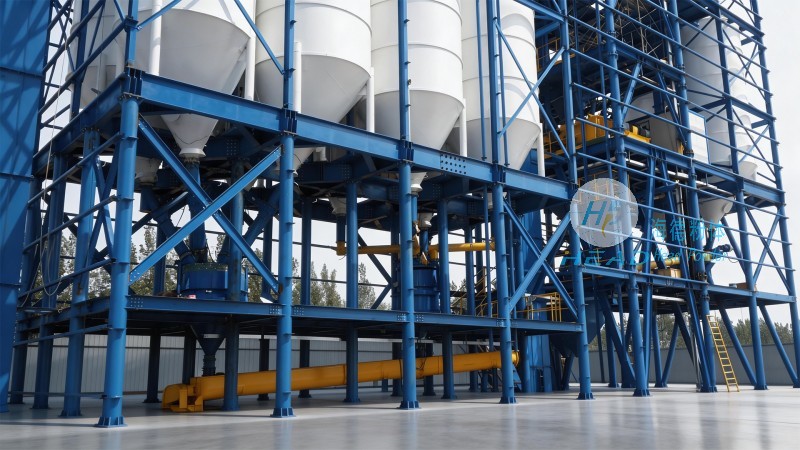
Plan
为客户提供完善的物料处理系统解决方案rubber has excellent physical and chemical properties such as elasticity, wear resistance, corrosion resistance, insulation and sealing. Its molecular structure determines its unique properties, such as high elasticity that allows it to quickly return to its original state when subjected to external forces, wear resistance that makes it less likely to be damaged under friction conditions, corrosion resistance that allows it to remain stable in a variety of chemical environments, insulation that allows it to effectively isolate current in electrical applications, and sealing that allows it to provide good sealing effect in liquid or gas transmission. The common conveying methods of rubber mainly include the following types: belt conveying, roller conveying, chain conveying, bucket lifting conveying, spiral conveying, etc. When choosing a rubber conveying method, factors such as material characteristics, transportation needs, and whether there are other transportation needs should be taken into account.
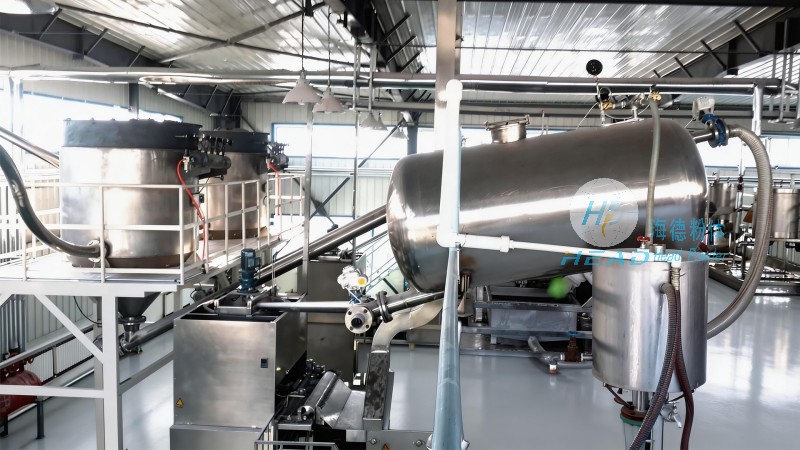

Common conveying methods of rubber are divided into mechanical conveying and pneumatic conveying. Mechanical conveying is a traditional basic method that relies on the movement of mechanical components, suitable for short-distance, low-height, and small-flow scenarios, including screw conveyors, bucket elevators, belt conveyors, and scraper conveyors, each with its own unique principles and characteristics. Pneumatic conveying uses airflow energy to transport materials in closed pipelines, which has become the core technology of material processing, warehousing, and packaging, and can adapt to the characteristics of different materials.

rubber is ideal for use in pneumatic conveying systems due to its fine particles, low density, good fluidity and no obvious adhesion. The pneumatic conveying system uses compressed air or vacuum as the power source to move the material through the airflow in the closed pipeline and passes through the separator to achieve gas-solid separation. According to the conveying pressure and power form, pneumatic conveying can be divided into three types: negative pressure suction type, positive pressure pressure pressure conveying type and mixed type, while gas-solid mixed concentration usually adopts the dilute phase conveying method.

pneumatic conveying of rubber is a conveying method that uses compressed air to transport rubber particles and other materials to a designated location. It mixes materials with compressed air through conveying pipelines and relies on airflow to push materials forward, which has the advantages of high conveying efficiency, smooth operation, low energy consumption, and easy operation, and is widely used in rubber, plastics, chemical, food and other industries. The system is mainly composed of rubber conveying pipelines, air compressors, control devices, etc., of which rubber conveying pipelines are made of high-quality rubber materials, which have the characteristics of wear resistance, corrosion resistance, and high temperature resistance.
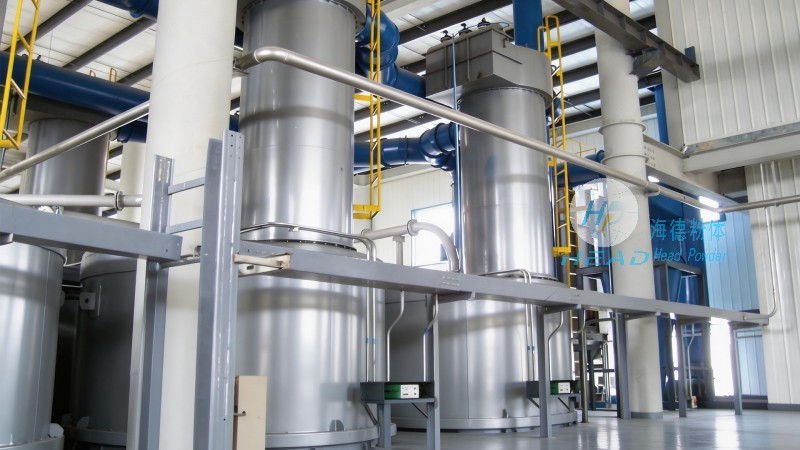
rubber pneumatic conveying has the advantages of strong conveying capacity, long conveying distance, strong adaptability, simple structure, convenient installation and maintenance, stable and reliable operation, low energy consumption, and no wear on conveyed materials, and is an important part of modern industrial conveying systems.
When choosing a rubber pneumatic conveying system, it is necessary to pay attention to the physical and chemical properties of the conveying medium, the conveying distance and height, the conveying volume, the diameter of the pipeline, the conveying speed and energy consumption and other factors, and consider the wear resistance, corrosion resistance, temperature resistance and other characteristics of the rubber pipeline to ensure the stable and efficient operation of the conveying system.
With its unique design, the pneumatic conveying system ofHyde rubber effectively improves conveying efficiency and reduces energy consumption. The system is made of high-quality rubber material, which has the characteristics of wear resistance, corrosion resistance, and high temperature resistance, and is suitable for various working conditions. In addition, Hyde Rubber Pneumatic Conveying System is easy to operate and low maintenance, making it a good choice for modern industrial conveying.
rubber pneumatic conveying method has the advantages of high conveying efficiency, good conveying quality and fast conveying speed, but it also has disadvantages such as high energy consumption and limited adaptability to materials. With years of industry experience, Hyde Powder can tailor conveying solutions for thousands of materials to ensure the efficiency and quality of system transportation, making it a good choice for material transportation. What do you think about this? Welcome to leave a message in the comment area! Hyde Powder is committed to making material handling easier!

 Shandong Haide Powder Engineering Co., Ltd
 156-6277-7102(Manager Zhang)
  0531-83386006
  No. 1 Shanggao Industrial Park, Zhangqiu District, Jinan City, Shandong Province
 telephone
top