Sodium sulfate powder, a vital industrial chemical, is widely used in glass manufacturing, paper production, and chemical synthesis. The efficient and reliable transport of this fine powder from storage to processing units is critical for maintaining production efficiency and minimizing operational costs. Among the various material handling solutions, the pneumatic conveying system stands out as a preferred choice due to its ability to handle fine powders with minimal dust and high flexibility. However, selecting the right sodium sulfate powder material pneumatic conveying system equipment is a complex task that requires careful consideration of multiple factors. This article aims to guide professionals in making an informed decision by exploring key selection criteria, system components, performance metrics, and practical maintenance tips.
When choosing a sodium sulfate powder pneumatic conveying system, the first step is to evaluate the characteristics of the material itself. The particle size, density, moisture content, and flowability of sodium sulfate powder significantly impact system design. For instance, fine particles (typically less than 100 microns) may require higher air pressure or specialized feeding mechanisms to prevent blockages. The distance and elevation change between the storage and processing areas also dictate the system's pressure requirements and energy consumption. Additionally, the desired throughput (e.g., 1-50 tons per hour) and operational environment (indoor or outdoor) must be considered. By aligning these factors with the system's capabilities, you can ensure optimal performance and cost-effectiveness.

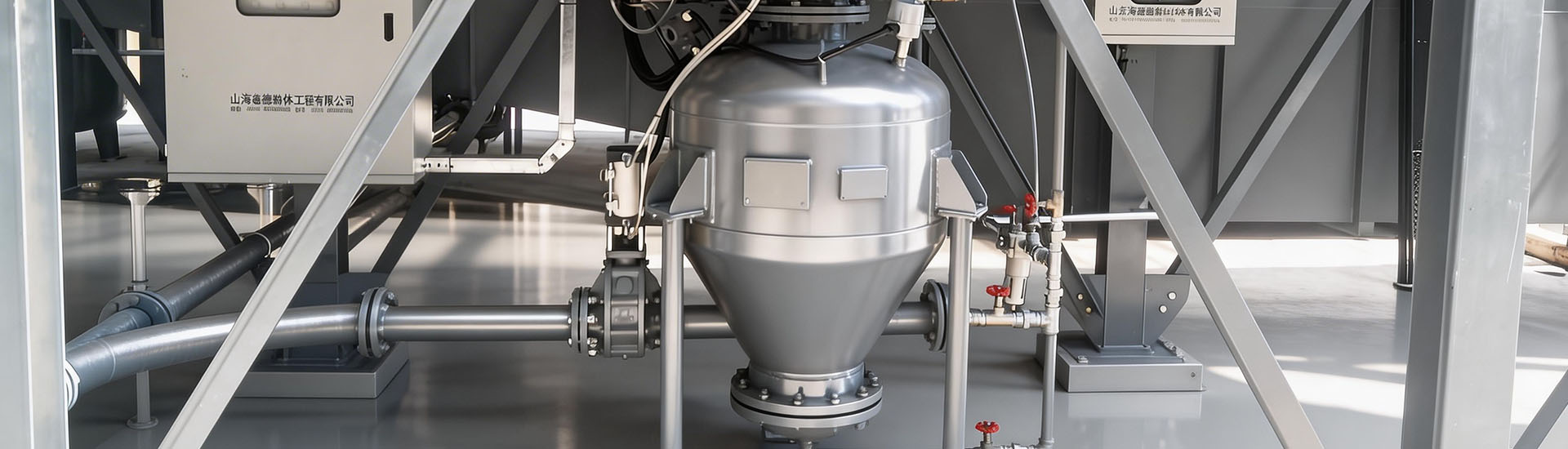
The effectiveness of a sodium sulfate powder pneumatic conveying system depends on its key components, each designed to handle the unique challenges of fine powder transport. The sodium sulfate powder material pneumatic conveying system equipment typically includes a feeding device, such as a star valve or screw feeder, which controls the flow rate of the powder into the system. The air supply unit, often a blower or compressor, generates the necessary pressure to move the powder through the pipeline. The pipeline itself, made of stainless steel or aluminum, must be smooth and free of sharp edges to prevent powder buildup and blockages. Valves, like check valves or gate valves, regulate the flow direction and pressure within the system. Finally, a dust collection system, including a cyclone separator and bag filter, captures and recovers the powder, ensuring environmental compliance and product purity. Each component must be selected based on the specific properties of sodium sulfate powder to maintain system efficiency.
Assessing the performance of a sodium sulfate powder pneumatic conveying system involves evaluating several critical metrics. The system's throughput, measured in tons per hour, indicates its capacity to handle production demands. The pressure drop per unit length of pipeline is another key factor, as excessive pressure loss increases energy consumption and may require higher blower power. The system's efficiency, often expressed as the ratio of powder mass to air volume, reflects how effectively it transports the material. Additionally, reliability metrics, such as the mean time between failures (MTBF) and maintenance intervals, are crucial for minimizing downtime. By comparing these metrics across different system options, users can select a solution that balances performance, cost, and operational reliability. For example, a system with low pressure drop and high throughput will reduce energy costs and improve production speed, making it a more economical choice in the long run.

Proper installation and regular maintenance are essential for maximizing the lifespan and performance of a sodium sulfate powder pneumatic conveying system. During installation, it is important to ensure that the pipeline is laid out with minimal bends and slopes to prevent powder accumulation and blockages. Sealing joints and connections is critical to avoid air leaks, which can reduce system pressure and increase energy consumption. The feeding device should be positioned at an appropriate height to allow gravity-assisted flow, reducing the need for excessive air pressure. Regular maintenance involves cleaning the cyclone separator and bag filter to prevent clogging, lubricating moving parts (e.g., star valve bearings), and inspecting for wear and tear on components like valves and pipelines. By following these best practices, users can extend the system's operational life and maintain consistent performance. Head powder, as a manufacturer of sodium sulfate powder material pneumatic conveying system equipment, offers comprehensive support, including installation guidance and maintenance services, to ensure optimal system performance.
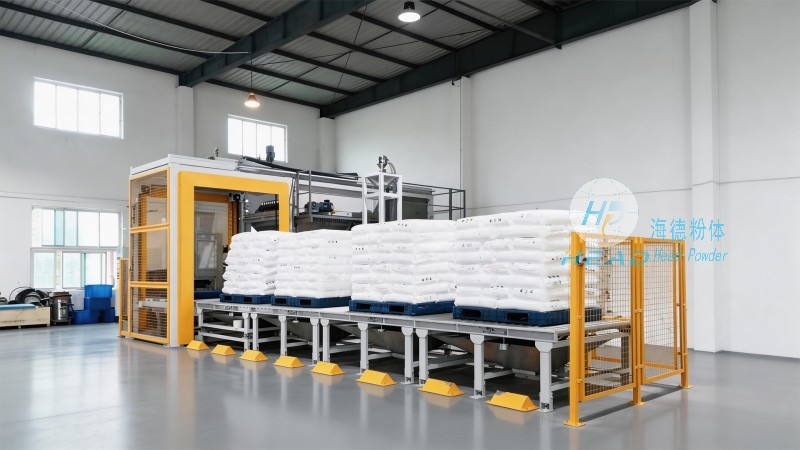
Choosing the right sodium sulfate powder material pneumatic conveying system equipment is a critical decision that impacts production efficiency, cost, and safety. By considering the key factors outlined in this article—material properties, system components, performance metrics, and maintenance practices—you can select a solution that meets your specific needs. At Head powder, we specialize in designing and manufacturing customized pneumatic conveying systems tailored to the unique requirements of sodium sulfate powder applications. Our team of experts can provide free consultations, on-site assessments, and tailored solutions to help you optimize your material handling processes. Contact us today to learn more about our advanced sodium sulfate powder material pneumatic conveying system equipment and how it can enhance your industrial operations.

 Shandong Haide Powder Engineering Co., Ltd
 156-6277-7102(Manager Zhang)
  0531-83386006
  No. 1 Shanggao Industrial Park, Zhangqiu District, Jinan City, Shandong Province
 telephone
top