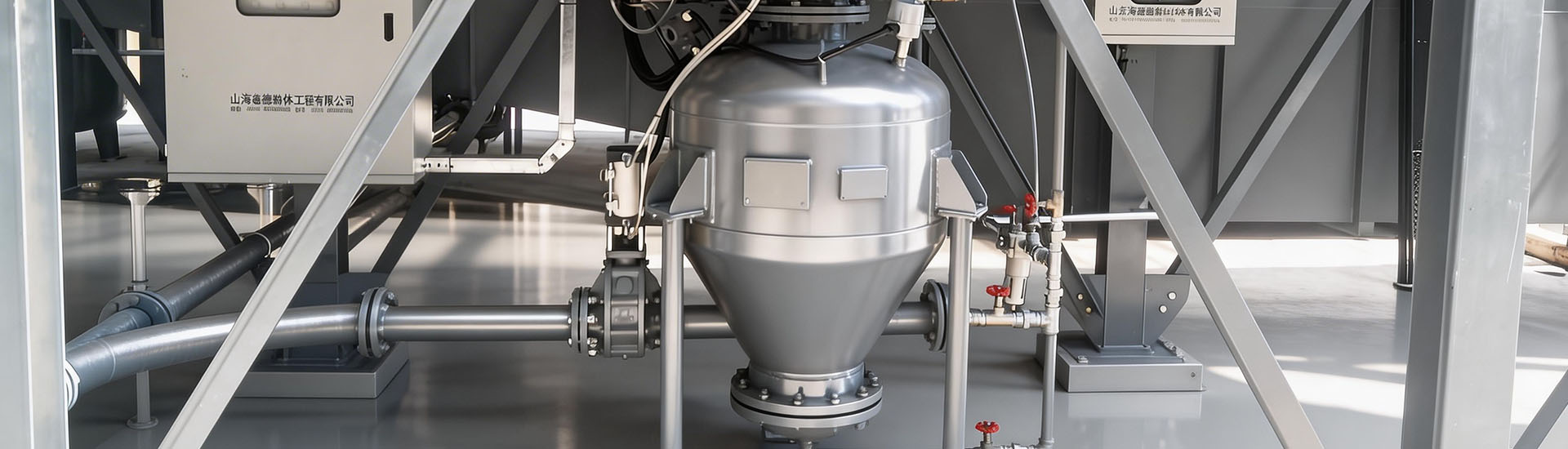
When it comes to manufacturing anti-jam feeders, several critical factors must be carefully considered to ensure optimal performance and reliability in industrial applications. These feeders are essential for handling a wide range of materials, from powders to granules, and their design directly impacts the efficiency and longevity of production lines. Manufacturers must balance functionality with durability, as the success of any feeding system hinges on how well it prevents material jams and maintains consistent flow.
The structural design of an anti-jam feeder is paramount. Manufacturers need to focus on features that minimize the risk of clogging, such as specially engineered feeding chambers and spiral screw configurations. For instance, the angle and pitch of the screw blades play a significant role in how smoothly materials are conveyed without sticking. Additionally, the choice of inlet and outlet designs can prevent material buildup at critical points, ensuring a continuous feeding process. A well-designed anti-jam feeder should also allow for easy cleaning and maintenance, which is vital for maintaining production uptime.

Material selection is another critical factor that manufacturers must address. The feeder must be constructed from materials that can withstand the specific properties of the processed materials, including abrasiveness, moisture content, and chemical resistance. For example, in applications involving corrosive chemicals, stainless steel or special alloys are often preferred to prevent degradation over time. Similarly, for high-abrasion materials like minerals or ceramics, wear-resistant coatings or hardened components are essential to extend the feeder's service life. The durability of the anti-jam feeder directly impacts operational costs and overall productivity, making material choice a strategic decision.
Technical parameters, such as speed, power, and capacity, are fundamental to the feeder's performance. Manufacturers must consider the specific characteristics of the material being fed, including bulk density, flowability, and particle size distribution. For instance, a feeder designed for fine powders may require lower speeds to prevent air entrainment and ensure smooth transport, whereas larger granules might need higher torque and speed to maintain flow. The capacity of the feeder must align with the production requirements of the end-user, ensuring that it can handle the desired throughput without bottlenecks. Precise control over these parameters is key to achieving consistent feeding rates and preventing overloading or underloading of downstream equipment.

Adaptability to different industrial applications is a key consideration for anti-jam feeder manufacturers. Each industry has unique material handling challenges, and a one-size-fits-all approach is rarely effective. For example, in the food industry, anti-jam feeders must meet strict hygiene standards and be easy to clean, often requiring food-grade materials and sealed designs. In contrast, feeders used in the chemical industry may need to handle aggressive substances, requiring corrosion-resistant materials and robust sealing mechanisms. Manufacturers must also consider the environmental conditions, such as temperature and humidity, which can affect material behavior and feeder performance. Customization options, such as adjustable screw speeds or variable feeding volumes, are often necessary to meet the diverse needs of different applications.
Maintenance and reliability are critical factors that manufacturers must prioritize. An anti-jam feeder that is easy to maintain reduces downtime and operational costs. Features like quick-release components, accessible internal parts, and user-friendly controls simplify routine checks and repairs. Additionally, incorporating wear indicators or sensors can alert operators to potential issues before they lead to a complete jam. The reliability of the feeder, measured by its mean time between failures (MTBF), is a key metric that manufacturers aim to improve through robust design and quality control. A reliable anti-jam feeder ensures that production lines operate smoothly, minimizing disruptions and maximizing output.

For businesses seeking high-performance anti-jam feeders tailored to their specific needs, Head powder offers expert solutions. Our team of engineers specializes in designing and manufacturing feeders that address the critical factors discussed above, ensuring optimal performance and durability. Whether you need a standard model or a custom solution, contact us today to learn more about how our anti-jam feeders can enhance your production efficiency. Let's work together to find the perfect feeding solution for your industrial requirements.

 Shandong Haide Powder Engineering Co., Ltd
 156-6277-7102(Manager Zhang)
  0531-83386006
  No. 1 Shanggao Industrial Park, Zhangqiu District, Jinan City, Shandong Province
 telephone
top