News
聚焦海德风采动态,分享行业技术资讯In the modern agricultural and food processing industries, the efficient handling of pea products has become a critical factor for businesses aiming to maintain productivity and product quality. Among the various technologies available, pea pneumatic conveying systems have emerged as a preferred solution, offering advantages such as reduced labor costs, minimized product damage, and enhanced operational flexibility. This article aims to guide professionals through the key considerations when evaluating pea pneumatic conveying manufacturers, ensuring they make informed decisions that align with their business objectives.
Pea pneumatic conveying technology relies on the principle of air movement to transport dry or semi-dry materials like peas through a pipeline system. This method typically uses either positive pressure (where air is forced into the system) or negative pressure (where air is drawn out), depending on the specific application and material characteristics. For pea processing, the choice of system often depends on factors such as pea size, moisture content, and the distance over which the material needs to be conveyed. A well-designed pea pneumatic conveying system ensures that peas are moved efficiently without excessive breakage or contamination, preserving their quality from the field to the processing facility.

When selecting a pea pneumatic conveying manufacturer, several critical factors should be considered to ensure the right fit for your business. First, evaluate the manufacturer's technical expertise and experience in the agricultural processing sector. A company with a proven track record in designing and installing systems for similar applications, such as grain or legume processing, is more likely to understand the unique demands of pea handling. Additionally, assess their ability to provide customized solutions; every pea processing facility has distinct requirements, and a good manufacturer should be able to tailor the system to your specific needs, including capacity, material flow rates, and integration with existing equipment.
Technical specifications play a vital role in determining the effectiveness of a pea pneumatic conveying system. Manufacturers should provide detailed information on the system's capacity, which is measured in terms of material flow rate (e.g., tons per hour) and air volume (e.g., cubic meters per second). The design of the pipeline, including the use of appropriate materials like stainless steel or food-grade plastic, is crucial for maintaining hygiene and preventing contamination. Moreover, the system's ability to handle varying pea sizes and moisture levels without clogging or blockages is a key indicator of its reliability. A manufacturer that invests in advanced simulation tools to model the system's performance can offer insights into potential challenges and solutions before installation.

Quality assurance and after-sales support are often overlooked but are essential aspects of choosing a pea pneumatic conveying manufacturer. Look for companies that adhere to international standards such as ISO 9001 or have certifications specific to food processing equipment. These certifications indicate a commitment to quality and safety, which is critical when handling agricultural products like peas. Furthermore, a reliable manufacturer should offer comprehensive after-sales support, including maintenance services, spare parts availability, and technical assistance. This ensures that any issues with the system are addressed promptly, minimizing downtime and maintaining operational efficiency.
Case studies and industry experience provide valuable insights into a manufacturer's capabilities and reliability. Researching the manufacturer's portfolio to see if they have worked with other pea processing facilities or agricultural companies can help you gauge their expertise. Testimonials from previous clients can offer firsthand accounts of the system's performance, ease of installation, and overall satisfaction. Additionally, a manufacturer with a strong presence in the industry, possibly with awards or recognition for innovation in pneumatic conveying technology, may indicate a commitment to excellence. By examining these aspects, you can make a more informed decision about whether the manufacturer can deliver a system that meets your long-term operational goals.
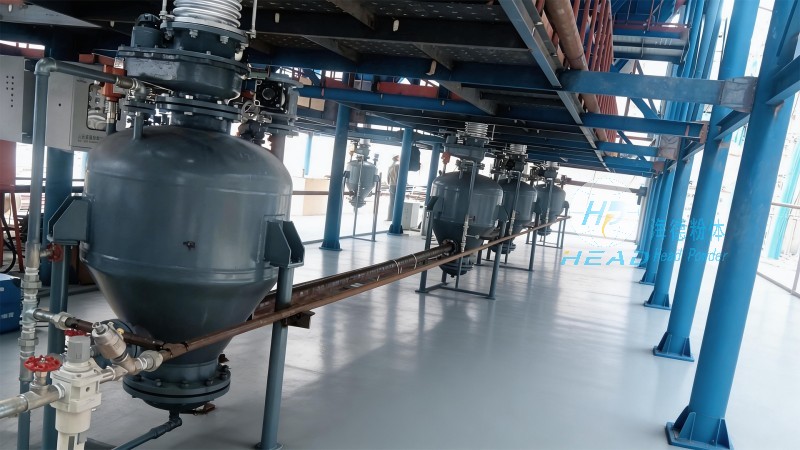
If you are in the process of selecting a pea pneumatic conveying system for your facility, it's essential to partner with a manufacturer that understands both the technology and the unique challenges of pea processing. Head Powder, a leading manufacturer in the field, specializes in designing and supplying high-quality pea pneumatic conveying systems tailored to the needs of agricultural and food processing businesses. With years of experience and a focus on customer satisfaction, Head Powder can help you choose the right system to enhance efficiency, reduce costs, and ensure the quality of your pea products. Contact us today to learn more about our solutions and how we can support your business.

 Shandong Haide Powder Engineering Co., Ltd
 156-6277-7102(Manager Zhang)
  0531-83386006
  No. 1 Shanggao Industrial Park, Zhangqiu District, Jinan City, Shandong Province
 telephone
top