News
聚焦海德风采动态,分享行业技术资讯Silica black powder materials, such as carbon black and silica, present unique challenges in material handling due to their fine particle size, high dust content, and tendency to agglomerate. Traditional mechanical conveying methods often struggle with material blockages, high wear on equipment, and inefficient dust control. A specialized pneumatic conveying system equipment is essential to ensure reliable, low-loss, and safe transportation of these materials. This article aims to guide professionals in selecting the right pneumatic conveying system tailored to the specific characteristics of silica black powder materials.
Before diving into equipment selection, it's crucial to evaluate several key parameters that directly impact system performance. The first step is understanding the physical properties of the silica black powder material, including particle size distribution, bulk density, and moisture content. For instance, fine particles (less than 10 microns) require systems with high air velocity and efficient separation to prevent clogging. Additionally, the material's tendency to form agglomerates may necessitate the use of a rotary valve or a vibratory feeder at the inlet to break down clumps before air injection. The required conveying distance and throughput are also critical factors—longer distances or higher flow rates may demand higher air pressure or larger pipe diameters. By accurately assessing these parameters, you can narrow down the suitable system type and avoid costly mistakes.

There are primarily two types of pneumatic conveying systems: dilute-phase and dense-phase. Dilute-phase systems use low air pressure (typically 0.3–0.7 MPa) and high air velocity to suspend particles in the air stream, suitable for short to medium distances (up to 100 meters) and low to medium flow rates. This type is ideal for applications where material is transported from a hopper to a silo or mixer. Dense-phase systems, on the other hand, operate at higher air pressure (up to 1.5 MPa) and lower air velocity, creating a plug flow of material and air. They are better suited for longer distances (up to 500 meters) and high flow rates, as they minimize material degradation and reduce wear on components. For silica black powder, which is sensitive to impact and abrasion, dense-phase systems often provide better protection. However, the choice between the two depends on the specific process requirements and budget constraints.
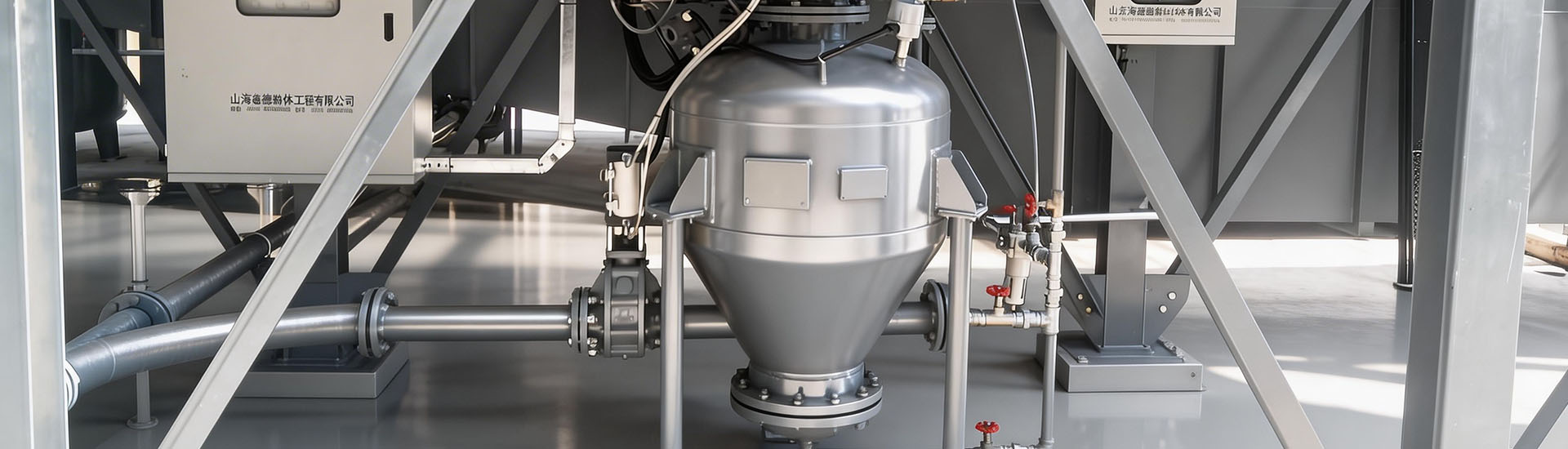
The performance of a pneumatic conveying system is heavily influenced by its key components. The feed system is the first point of contact with the material. For silica black powder, a rotary airlock valve or a vibratory feeder is commonly used to control the flow rate and prevent material buildup. These devices ensure a consistent feed, which is vital for maintaining system efficiency. The air source and air compressor are equally important. High-quality compressors with proper filtration and moisture removal are essential to prevent oil or water contamination, which can affect the material's quality and system performance. The conveying line design, including pipe diameter, material, and bends, also plays a role. Stainless steel or aluminum pipes are preferred for their corrosion resistance and smooth surfaces, reducing friction and wear. Additionally, the separator and dust collector are critical for capturing fine particles and ensuring environmental compliance. A well-designed separator can recover up to 99% of the material, minimizing waste and operational costs.

Silica black powder is often used in industries where safety is paramount, such as rubber, plastics, and coatings. Therefore, the pneumatic conveying system must incorporate safety features to prevent dust explosions or material leaks. Explosion-proof designs, including spark-proof motors and flame arrestors, are mandatory for systems handling combustible powders. Regular maintenance is also crucial to ensure long-term reliability. Components like filters, seals, and bearings should be inspected and replaced periodically to avoid system failures. For example, a clogged filter can lead to increased air pressure, causing the system to overheat or fail. Similarly, worn-out seals can result in material leakage, leading to product contamination and environmental issues. By prioritizing safety and maintenance, you can extend the lifespan of the equipment and ensure consistent performance.
When selecting a pneumatic conveying system for silica black powder materials, it's essential to consider both the initial investment and the long-term operational costs. While a more expensive system with advanced features may have a higher upfront cost, it often leads to lower maintenance and operational expenses over time. For instance, a dense-phase system with a high-efficiency separator may have a higher initial cost but reduces material loss and energy consumption, resulting in significant savings in the long run. Additionally, the system's durability and reliability should be evaluated. A well-made pneumatic conveying system equipment from a reputable manufacturer like Head powder can withstand the harsh conditions of silica black powder handling and provide years of trouble-free operation. By conducting a thorough cost-benefit analysis, you can choose a system that not only meets current requirements but also supports future growth and efficiency improvements.

Choosing the right pneumatic conveying system for silica black powder materials is a critical decision that impacts process efficiency, product quality, and operational costs. At Head powder, we specialize in designing and manufacturing customized pneumatic conveying systems tailored to the unique needs of silica black powder applications. Our team of experts can help you assess your material properties, process requirements, and budget to recommend the most suitable system. Whether you need a dilute-phase or dense-phase system, a rotary valve or a vibratory feeder, we offer comprehensive solutions backed by years of industry experience. Contact us today to learn more about our pneumatic conveying system equipment and how we can optimize your material handling process.

 Shandong Haide Powder Engineering Co., Ltd
 156-6277-7102(Manager Zhang)
  0531-83386006
  No. 1 Shanggao Industrial Park, Zhangqiu District, Jinan City, Shandong Province
 telephone
top