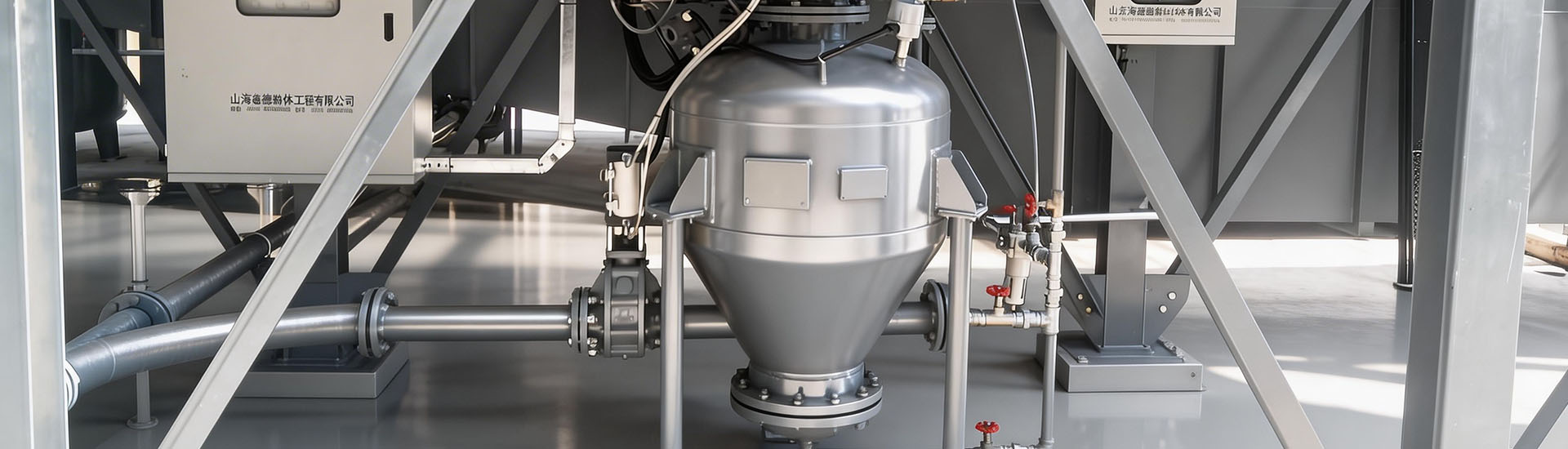
Detailed explanation of the general process steps of ceramic air shut-off
2026-04-20
In modern industrial and architectural settings, the ceramic fan shut-off has emerged as a critical component for regulating airflow and enhancing system efficiency. These devices, manufactured by Head powder, play a pivotal role in preventing air leakage, reducing energy consumption, and ensuring safety in various applications, from HVAC systems to industrial ventilation. Understanding the intricate process behind their creation not only highlights the technological advancements in the field but also underscores the importance of quality craftsmanship in delivering reliable performance.

The design principle of a ceramic fan shut-off is a meticulous process that integrates engineering principles with material science. The primary goal is to achieve optimal sealing while maintaining structural integrity and aerodynamic efficiency. Engineers at Head powder meticulously calculate the dimensions of the ceramic body, ensuring that the sealing surface is perfectly flat and the internal channels are designed to minimize resistance. This design also considers the operating temperature range and the type of air being handled, whether it's clean air, corrosive gases, or particulate-laden environments. The result is a product that balances functionality with durability, making it suitable for long-term use in demanding conditions.
The materials used in ceramic fan shut-offs are carefully selected to meet the specific requirements of each application. The main body is typically made from high-purity alumina (Al₂O₃), a ceramic material known for its excellent thermal stability, chemical resistance, and mechanical strength. This material can withstand high temperatures, resist corrosion from acids and bases, and maintain its shape under pressure. For the sealing components, materials such as PTFE (polytetrafluoroethylene) or rubber are often used, providing flexibility and ensuring a tight seal when the fan is in the off position. Additionally, metal inserts may be incorporated to reinforce the structure and enhance the connection points with the fan housing. Each material is chosen to complement the others, creating a cohesive system that performs reliably over time.
The manufacturing process of ceramic fan shut-offs involves several stages, each requiring precision and expertise. The first step is the preparation of the raw materials, where alumina powder is mixed with a binder and water to form a slurry. This slurry is then poured into a mold, where it is allowed to dry and cure. For more complex shapes, dry pressing or isostatic pressing may be used to achieve uniform density. Once the ceramic body is formed, it undergoes a high-temperature sintering process, typically at temperatures between 1,200°C to 1,500°C, which fuses the particles together and increases its strength. After sintering, the ceramic part is machined using precision tools to achieve the exact dimensions and surface finish required. This includes processes like grinding, polishing, and drilling to create the inlet and outlet ports. Finally, the sealing components are installed, and the assembly is tested for proper functionality. Head powder employs advanced manufacturing techniques to ensure each step is executed with high accuracy, resulting in a product that meets stringent industry standards.
Quality control is a non-negotiable aspect of producing ceramic fan shut-offs, as even minor defects can compromise performance. At Head powder, every batch undergoes rigorous testing to ensure compliance with international standards such as ISO 9001. The testing process includes visual inspections to check for cracks or surface imperfections, dimensional checks to verify that the part meets the design specifications, and functional tests to evaluate the sealing performance. For example, a pressure test is conducted to ensure the device can withstand the maximum operating pressure without leaking. Additionally, thermal cycling tests are performed to assess the material's ability to handle temperature fluctuations. These tests not only guarantee the quality of the product but also provide customers with confidence in its reliability and longevity.
The advantages of ceramic fan shut-offs in practical applications are significant, making them a preferred choice for many industries. One of the key benefits is energy efficiency, as they prevent unnecessary air leakage, reducing the load on the fan and lowering electricity costs. They also enhance safety by preventing the backflow of air, which can be a fire hazard in certain environments. Furthermore, their durability and low maintenance requirements make them cost-effective in the long run. Ceramic fan shut-offs are widely used in HVAC systems, industrial ventilation, and even in residential applications where quiet operation and energy conservation are desired. By choosing a high-quality ceramic fan shut-off from a reputable manufacturer like Head powder, users can ensure optimal performance and peace of mind.
If you are looking for a reliable ceramic fan shut-off that combines superior quality with advanced technology, Head powder is the ideal partner. Our team of experts is dedicated to providing customized solutions tailored to your specific needs, whether you require standard or specialized designs. We offer competitive pricing, fast delivery, and comprehensive technical support to ensure your project is successful. Contact us today to learn more about our products or to request a sample. Experience the difference that a well-crafted ceramic fan shut-off can make in your operations.



 Shandong Haide Powder Engineering Co., Ltd
 156-6277-7102(Manager Zhang)
  0531-83386006
  No. 1 Shanggao Industrial Park, Zhangqiu District, Jinan City, Shandong Province