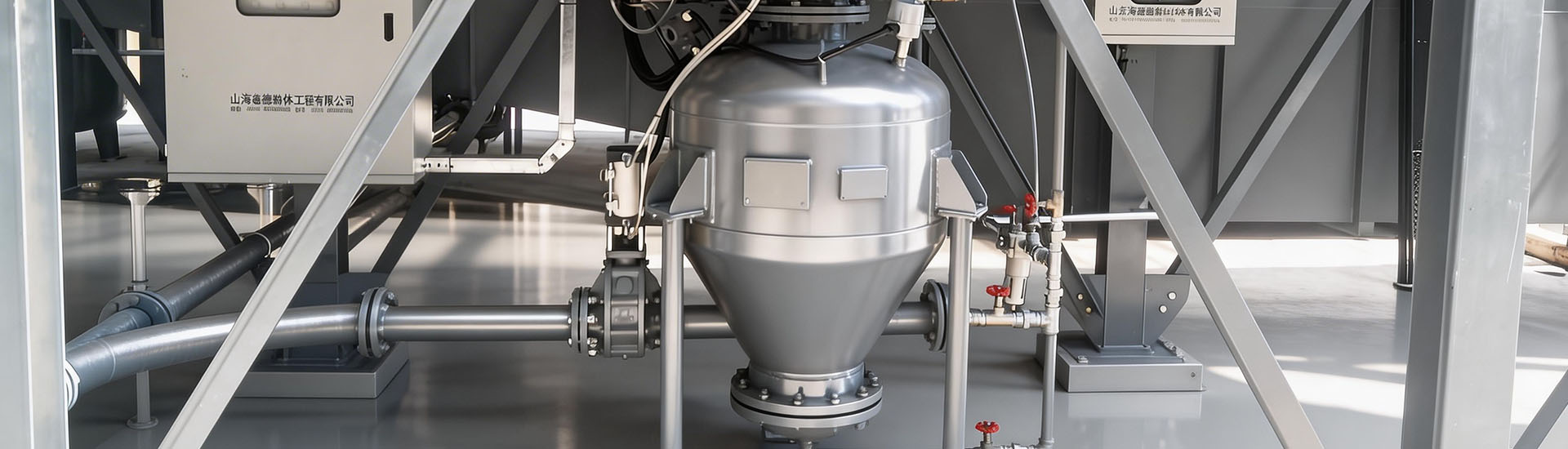
In industrial material handling, polyacrylamide pneumatic conveying systems stand out for their efficiency and flexibility, becoming a top choice across various industries. However, with numerous options available, accurately selecting a system tailored to specific needs is a critical challenge. This article systematically explores key selection factors to help you make an informed decision.
First, businesses must thoroughly analyze the physical and chemical properties of the material to be conveyed, as this is the foundation of system design. For example, particle size, moisture content, density, and stickiness directly impact system design. Fine, agglomerating particles may require higher pressure or special gas-solid ratios in positive pressure systems, while large, high-density particles are better suited to negative pressure systems for long-distance, low-volume transport or dust-free operations. Simultaneously, parameters like transport distance and design capacity (e.g., tons per hour) determine key configurations such as pipe diameter, fan power, and gas-solid ratio. Accurately grasping these needs is essential to avoid selection errors.

Polyacrylamide pneumatic conveying systems primarily include positive and negative pressure types, with distinct operating principles and applications. Positive systems use fans to inject compressed air into pipes, pushing material flow, suitable for short distances and high capacities with minimal wear. Negative systems create negative pressure in pipes to draw material, ideal for long distances, low capacities, or enclosed transport to prevent dust leakage. Special types like pneumatic elevators also exist for specific materials like powders or granules. Understanding these characteristics helps match the actual production environment.
Beyond basic functionality, operational efficiency and long-term costs are key decision factors. Energy consumption directly affects operating costs; efficient fans and optimized gas-solid ratios can significantly reduce energy use. Additionally, system maintenance convenience, component durability (pipes, valves, separators), and system scalability (ease of upgrading or expansion for future production growth) impact overall costs. Businesses should assess factors like energy data, maintenance records, and service life. Comprehensive evaluation ensures long-term economic benefits.

After determining system type and parameters, selecting a professional manufacturer is crucial. Head powder, a leading enterprise in polyacrylamide pneumatic conveying, offers rich industry experience and technical expertise. We provide customized solutions and focus on collaborative demand analysis, offering full-cycle services from design, manufacturing to installation and commissioning. Our products undergo strict quality control, ensuring stable performance, with comprehensive after-sales support to reduce usage risks. Choosing Head powder means selecting a trustworthy partner to enhance production efficiency and reliability.

If you're facing challenges in selecting a polyacrylamide pneumatic conveying system or need detailed technical solutions, contact Head powder's professional team. We will provide personalized consultation and solutions based on your specific needs, helping you optimize production processes and improve operational efficiency. Contact us now to start a new chapter of efficient material handling.

 Shandong Haide Powder Engineering Co., Ltd
 156-6277-7102(Manager Zhang)
  0531-83386006
  No. 1 Shanggao Industrial Park, Zhangqiu District, Jinan City, Shandong Province
 telephone
top