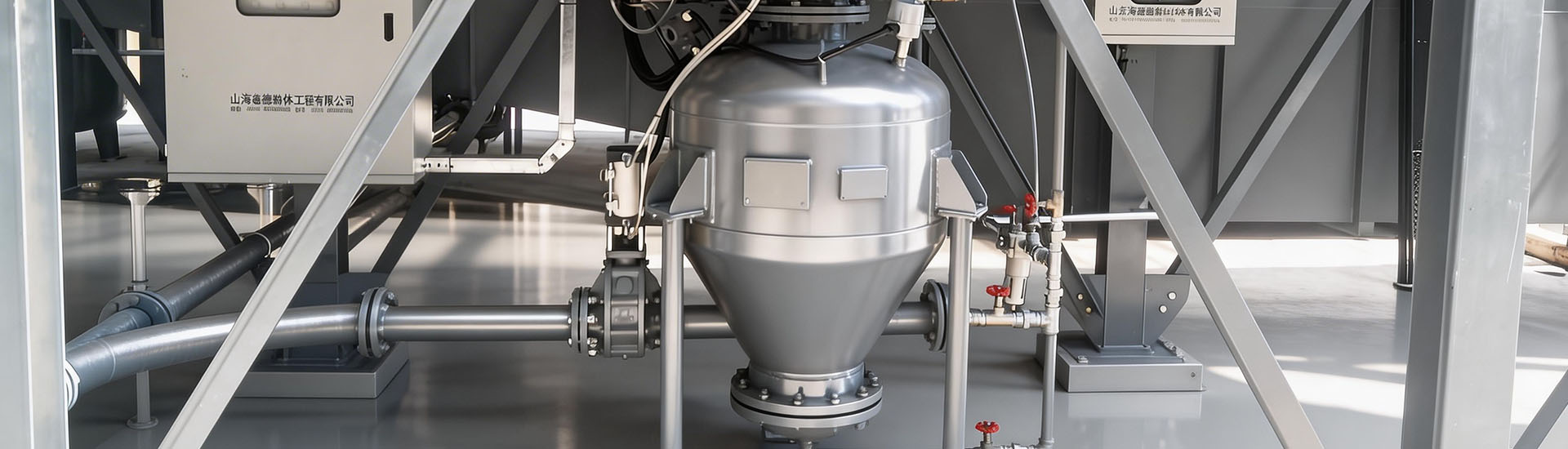
When it comes to handling quicklime powder, the choice of pneumatic conveying system is critical. Traditional methods often struggle with dust control, material loss, and operational inefficiencies. Head powder's expertise in designing and manufacturing specialized pneumatic conveying solutions for quicklime powder has helped many industries achieve smoother, more reliable material transport. Understanding the key factors that influence system selection is essential for optimizing performance and reducing long-term costs.
The physical properties of quicklime powder, such as particle size distribution, moisture content, and bulk density, directly impact the effectiveness of pneumatic conveying. Coarser particles may require higher air velocities to prevent blockages, while fine powders demand more careful control to avoid excessive pressure drops. Head powder conducts thorough material analysis to tailor the system, ensuring optimal air-to-material ratios and preventing system wear. This initial step is non-negotiable for long-term reliability.

The distance over which quicklime powder needs to be conveyed dictates the system pressure and energy consumption. For short distances, low-pressure systems (like pressure or vacuum) are sufficient. However, for long-distance transport, high-pressure or dense-phase systems become necessary to maintain material flow and minimize particle degradation. Head powder offers customized solutions, from simple vacuum systems for short runs to high-capacity pressure systems for industrial-scale applications. Properly matching the system pressure to the required distance is key to avoiding energy waste and equipment damage.
In today's industrial landscape, energy efficiency is a top priority. The efficiency of a pneumatic conveying system for quicklime powder is determined by its ability to minimize pressure losses and maximize material throughput. Head powder's advanced designs incorporate features like pulse-jet technology and optimized ductwork to reduce energy consumption by up to 30% compared to conventional systems. By selecting the right system based on material characteristics and transport distance, clients can achieve significant cost savings over time. This factor is particularly important for large-scale operations where operational costs dominate the budget.

Long-term performance hinges on the reliability and ease of maintenance of the pneumatic conveying system. Quicklime powder is abrasive and can cause wear on components like valves and filters. Head powder uses high-quality materials and robust designs to extend equipment life and reduce downtime. Regular maintenance schedules and easy access to spare parts are also critical. By choosing a system from Head powder, clients benefit from reduced maintenance costs and increased operational uptime, ensuring consistent production without interruptions.

At Head powder, we understand that selecting the right pneumatic conveying system for quicklime powder requires a deep understanding of both material science and engineering. Our team of experts is ready to assist you in evaluating your specific needs, from material analysis to system design and installation. Contact us today to learn how our customized solutions can enhance your production efficiency and reduce operational costs. Let's work together to optimize your quicklime powder handling process.

 Shandong Haide Powder Engineering Co., Ltd
 156-6277-7102(Manager Zhang)
  0531-83386006
  No. 1 Shanggao Industrial Park, Zhangqiu District, Jinan City, Shandong Province
 telephone
top