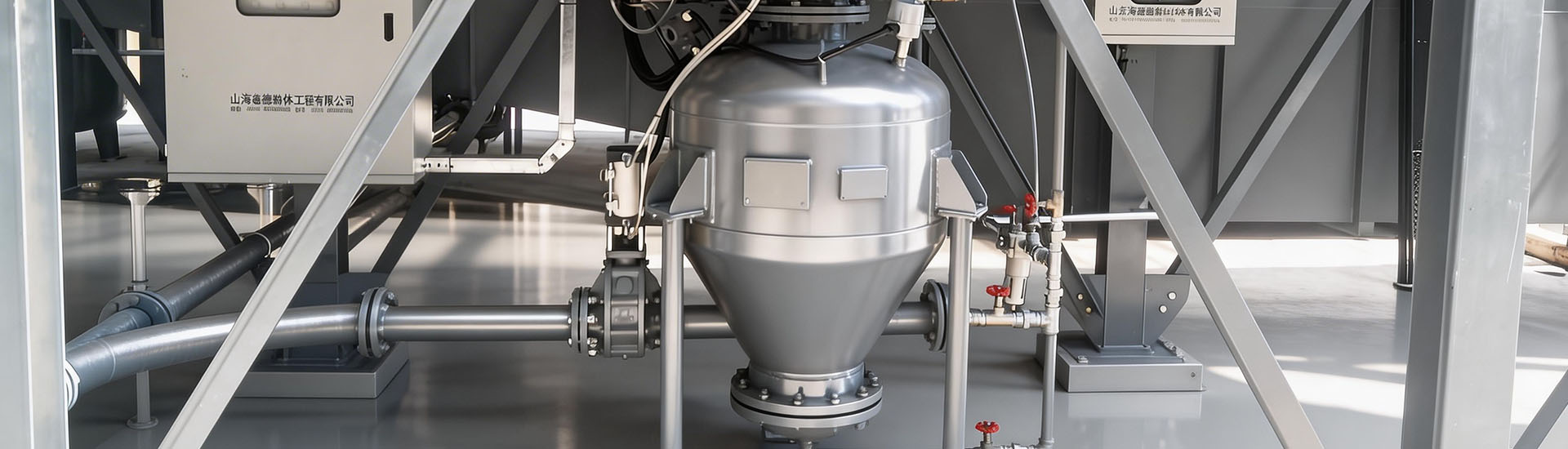
For professionals in the food processing industry, selecting the right equipment is not just about functionality but also about ensuring compliance with stringent hygiene standards and operational efficiency. The food-grade rotary feeder, as a critical component in material handling systems, plays a pivotal role in maintaining product quality and process reliability. This article aims to guide you through the essential steps to select the most suitable food-grade rotary feeder, covering key considerations from technical specifications to practical applications.
Before diving into specific models, it's crucial to define your operational needs. The food-grade rotary feeder is designed to handle bulk materials like powders, granules, or small particles in food processing lines. Key requirements include the type of material being processed—whether it's dry, wet, or sticky—and the desired feeding rate. Additionally, consider the scale of your production: a small-scale operation might need a compact model, while large-scale facilities require high-capacity feeders. Understanding these basics helps narrow down the options and focus on the most relevant features.

When evaluating food-grade rotary feeders, several technical parameters are critical. The rotation speed of the feeder determines the feeding rate, which directly impacts production throughput. For instance, a higher rotation speed increases the volume of material discharged, making it suitable for high-volume processing. The diameter and length of the feeder also affect capacity; larger diameters can handle more material per rotation. Moreover, the material of construction is vital—food-grade stainless steel (such as 316L) is standard to prevent contamination and ensure durability. These parameters ensure the feeder meets both performance and hygiene standards.
Food processing environments demand strict adherence to hygiene and safety regulations. The food-grade rotary feeder must meet standards like FDA or EU food contact regulations. Features such as smooth, non-porous surfaces, easy-to-clean designs, and sealed components are essential to prevent cross-contamination. For example, the feeder's housing should have a smooth finish without crevices where bacteria could accumulate. Additionally, some models offer CIP (Clean-In-Place) capabilities, allowing for automated cleaning without disassembly, which is crucial for maintaining sanitary conditions. Choosing a feeder that complies with these standards ensures product safety and regulatory compliance.

The food-grade rotary feeder is versatile and can be applied in various food processing scenarios, from pharmaceuticals to bakery products. In the bakery industry, it might be used to feed flour or sugar into mixers, while in the dairy sector, it could handle powdered milk or whey. The efficiency of the feeder in these applications depends on its ability to maintain consistent flow rates and minimize material degradation. For instance, some models use variable speed drives to adjust feeding rates based on process demands, enhancing operational flexibility. This adaptability ensures the feeder integrates seamlessly into existing production lines and improves overall efficiency.
Long-term performance and cost-effectiveness are important factors in equipment selection. The food-grade rotary feeder should be easy to maintain, with accessible components for routine checks and cleaning. Regular maintenance, such as lubricating moving parts and inspecting seals, can extend the feeder's lifespan. Additionally, consider the manufacturer's support and warranty. A reputable manufacturer like Head Powder offers comprehensive after-sales service, including spare parts availability and technical support. Investing in a feeder with a robust maintenance plan can reduce downtime and operational costs over time.

Choosing the right food-grade rotary feeder is a strategic decision that impacts both product quality and operational efficiency. By following these steps and considering key factors like technical specifications, hygiene standards, and maintenance, you can select a feeder that meets your specific needs. Head Powder, as a leading manufacturer, offers a range of high-quality food-grade rotary feeders tailored to various applications. Contact us today to explore how our solutions can enhance your production process and ensure compliance with industry standards.

 Shandong Haide Powder Engineering Co., Ltd
 156-6277-7102(Manager Zhang)
  0531-83386006
  No. 1 Shanggao Industrial Park, Zhangqiu District, Jinan City, Shandong Province
 telephone
top