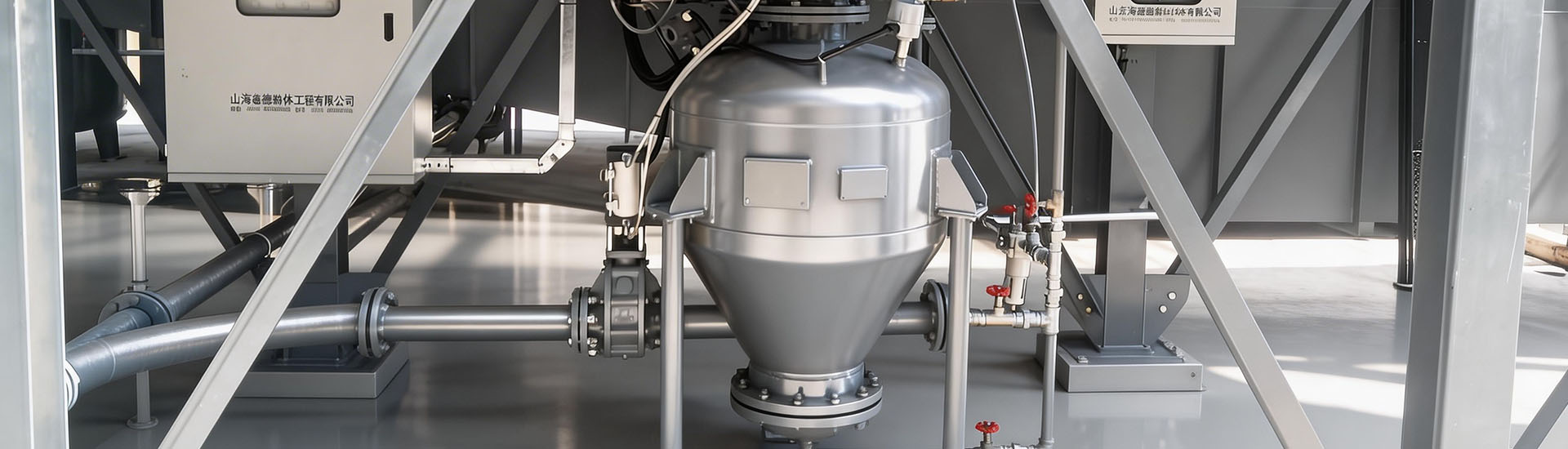
Choosing the right dry material powder conveying system equipment is a critical decision for industries handling dry powders, as it directly impacts operational efficiency, product quality, and overall cost-effectiveness. The process involves a systematic approach that considers various factors, from the nature of the material being conveyed to the specific requirements of the production line. This article will provide a detailed breakdown of the general steps involved in selecting an optimal dry material powder conveying system equipment, helping professionals make informed decisions.
Before diving into system selection, a thorough initial needs analysis is essential. This step involves gathering detailed information about the material properties, such as particle size, moisture content, and flowability, as well as the operational parameters like required conveying capacity, distance, and operating environment. For instance, materials with high moisture content may require specialized equipment to prevent caking or blockages, while large particle sizes might necessitate higher pressure systems. By clearly defining these requirements, you can narrow down the suitable options for your application.

The next critical step is selecting the appropriate conveying method. Common types include positive pressure, negative pressure, and pneumatic systems. Positive pressure systems, like the Dry material powder conveying system equipment from Head powder, use a blower to push air and material through the pipeline, suitable for long-distance and high-capacity applications. Negative pressure systems, on the other hand, draw material into the system using a vacuum, ideal for handling fine powders or where dust control is a priority. Pneumatic systems can be further categorized into dilute-phase and dense-phase, each offering different advantages in terms of speed and material handling. The choice depends on factors like material characteristics, distance, and environmental regulations.
Once the system type is determined, evaluating the key components is crucial. The primary components include the blower or vacuum pump, conveying pipeline, separation and collection devices, and control valves. The blower's performance, such as its pressure and airflow capacity, directly affects the system's ability to handle different materials. The material of the conveying pipeline, often made of stainless steel or plastic, must resist corrosion and wear from the powder. Separation devices, like cyclones or filters, are vital for maintaining air quality and preventing dust emissions. Finally, control valves regulate the flow and pressure, ensuring smooth operation and preventing system overloads. Each component's quality and compatibility with the material are key to the system's reliability.

Performance parameters play a significant role in the long-term success of the system. Key metrics include conveying capacity, pressure drop, energy consumption, and system reliability. High conveying capacity is essential for meeting production demands, while low pressure drop ensures minimal energy loss. Energy efficiency is a critical factor for reducing operational costs, especially for large-scale systems. Additionally, the system's reliability, including its ability to handle variations in material properties and maintain consistent performance over time, is vital for minimizing downtime and maintenance costs. Testing the system under real-world conditions, with actual material samples, helps validate these parameters and ensure the chosen Dry material powder conveying system equipment meets the required standards.
The final step involves a comprehensive cost-benefit analysis. This includes evaluating the initial investment cost, which covers equipment purchase, installation, and any necessary modifications to the production line. Operational costs, such as energy consumption and maintenance, are also considered over the system's lifespan. The total cost of ownership (TCO) helps determine the long-term financial impact. Simultaneously, the benefits, such as increased productivity, reduced labor costs, and improved product quality, are quantified. By comparing the total costs against the expected returns, you can make an informed decision that aligns with your budget and business goals. For instance, investing in a high-efficiency Dry material powder conveying system equipment from Head powder may have a higher initial cost but lower operational expenses, leading to better overall returns.

By following these systematic steps, you can select a dry material powder conveying system equipment that not only meets your current needs but also supports future growth and operational efficiency. Head powder, as a leading manufacturer of dry material powder conveying system equipment, offers a range of solutions tailored to various industrial applications. Our team of experts can assist you in each step of the selection process, from initial analysis to system implementation, ensuring you get the right equipment for your specific requirements. Contact us today to learn more about how our Dry material powder conveying system equipment can enhance your production processes and boost your bottom line.

 Shandong Haide Powder Engineering Co., Ltd
 156-6277-7102(Manager Zhang)
  0531-83386006
  No. 1 Shanggao Industrial Park, Zhangqiu District, Jinan City, Shandong Province
 telephone
top