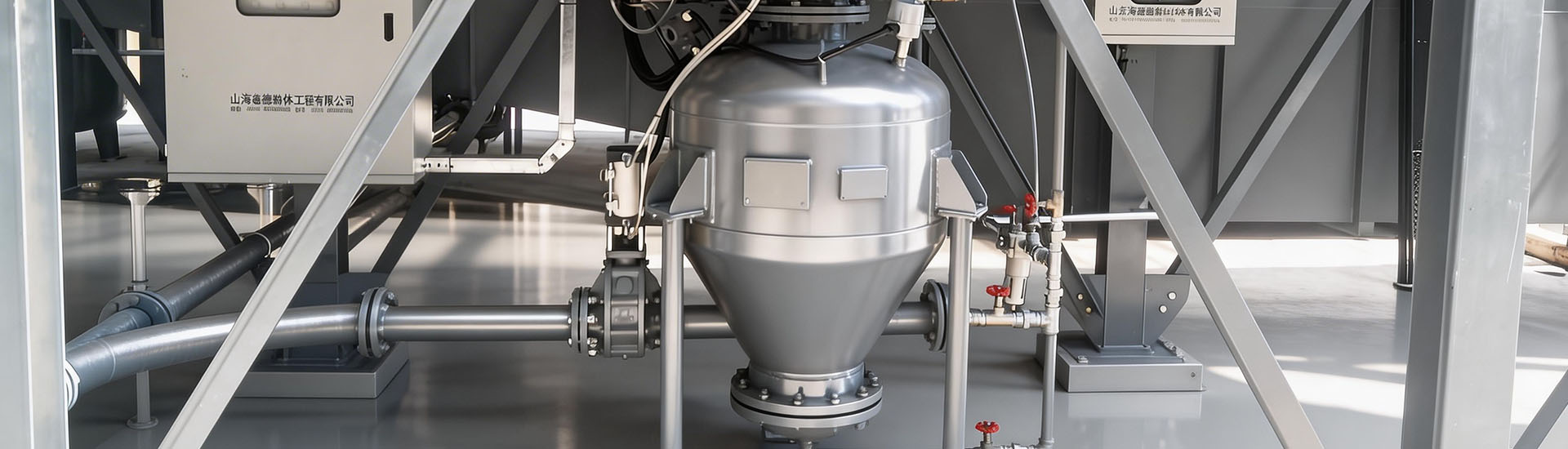
In industrial automation and material handling, stainless steel feeders are critical equipment whose selection directly impacts production efficiency and material processing quality. This article systematically analyzes the conventional process of selecting stainless steel feeders, helping users comprehensively grasp key steps from demand analysis to final decision-making to ensure equipment selection precisely matches actual application scenarios.
First, clarify the feeder's application scenario as the foundation for selection. Different industries (such as food, chemical, and pharmaceutical) have distinct requirements for feeders. For example, the food industry needs to meet hygiene standards, selecting food-grade stainless steel materials; the chemical industry must consider medium corrosion, choosing corrosion-resistant stainless steel models. Clearly define material characteristics (like particle size, moisture, and flowability) and the required conveying capacity to provide a basis for subsequent selection.

Stainless steel material selection is a core aspect. 304 stainless steel is suitable for general corrosive environments, while 316 stainless steel offers stronger corrosion resistance, especially for strong acids and alkalis. Head powder provides stainless steel feeders in various materials, and users need to assess corrosion risks based on actual working environments to ensure long-term stable operation of the equipment. Additionally, the wear resistance of the material is key for high-wear materials, with surface-hardened stainless steel components extending equipment life.
Feeder structural design directly affects performance. For example, screw-type feeders are suitable for continuous conveying of powders or granules, while vibratory feeders are suitable for poorly flowable materials. Head powder's feeders focus on sealing and leak prevention to ensure hygiene and safety during material conveying. At the same time, selecting appropriate specifications based on conveying capacity needs, such as small feeders for laboratory or small-scale production lines and large equipment for large-scale industrial production.

Performance parameters are key to evaluating feeder efficiency. Conveying speed, stability of conveying capacity, and power consumption must match actual production needs. Head powder's feeders achieve precise control through optimized screw or vibration parameters, reducing material residue and overload risks. Additionally, equipment maintenance convenience is also an important consideration, as easily disassembled and cleaned feeders can reduce production downtime and improve overall efficiency.
Finally, cost-benefit analysis determines equipment selection. Head powder offers from standard models to customized solutions, and users need to balance initial equipment investment and long-term operating costs. Consider equipment durability, maintenance costs, and energy consumption to select cost-effective stainless steel feeders. At the same time, Head powder's after-sales service and technical support can reduce later use costs, ensuring long-term stable operation of the equipment.

If you encounter specific challenges in industrial feeding applications, Head powder's professional team can provide customized solutions, from demand analysis to equipment selection, with full technical support. Welcome to contact us for more detailed technical data and product quotes. We will recommend the most suitable stainless steel feeder based on your actual needs to help improve production efficiency and material handling quality.

 Shandong Haide Powder Engineering Co., Ltd
 156-6277-7102(Manager Zhang)
  0531-83386006
  No. 1 Shanggao Industrial Park, Zhangqiu District, Jinan City, Shandong Province
 telephone
top