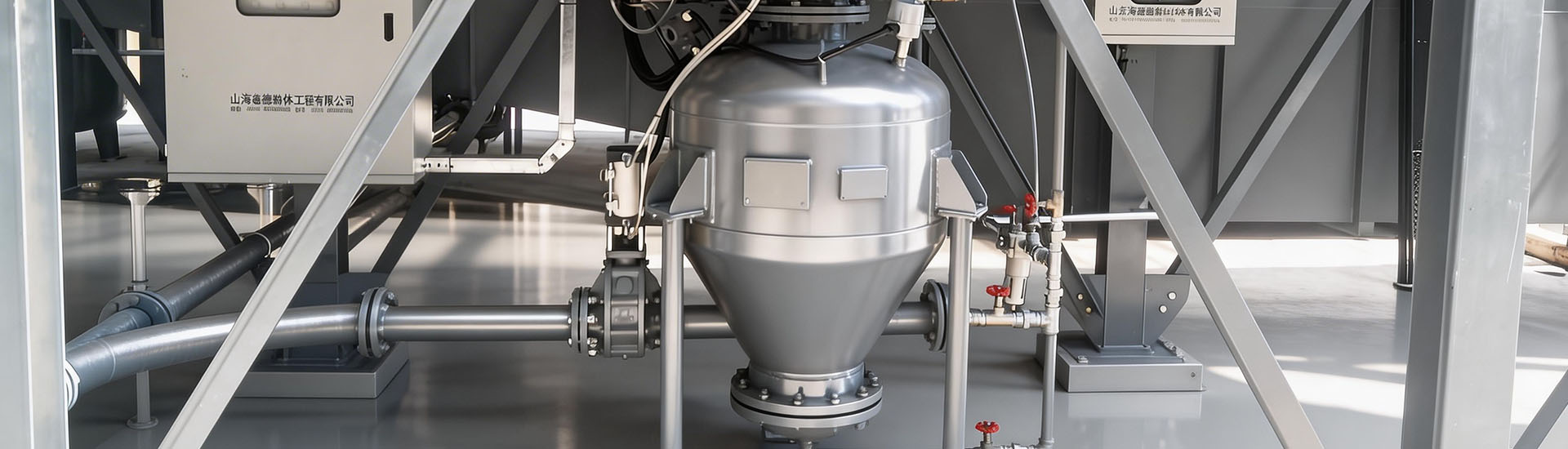
Denitrification urea powder, a critical component in modern industrial processes, often faces challenges during material handling due to its unique physical properties. Traditional transport methods like belt conveyors or screw conveyors may struggle with issues such as agglomeration, dust generation, and inefficient flow. This is where pneumatic conveying of denitrification urea powder emerges as a sophisticated solution, leveraging air power to transport bulk materials with precision and efficiency.
Pneumatic conveying, also known as air conveying, is a technology that uses compressed air to transport solid particles through a pipeline. In the context of denitrification urea powder, this method involves creating a flow of air that carries the powder from the source to the destination. The system typically consists of a blower, a hopper for material storage, and a series of pipes, ensuring a continuous and controlled movement of the powder. This approach is particularly effective for materials that are prone to caking or require a dust-free environment.
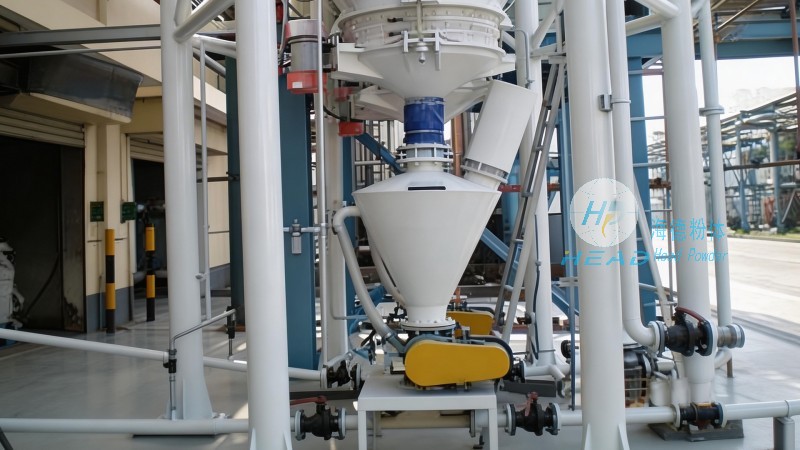
Denitrification urea powder, used extensively in power plants and fertilizer production, has specific characteristics that make conventional conveying methods less suitable. For instance, its granular size and hygroscopic nature can lead to clumping, which hinders smooth transport. Traditional screw conveyors may cause friction and breakage, while belt conveyors risk dust exposure and environmental contamination. Pneumatic conveying addresses these issues by maintaining the powder's integrity, preventing agglomeration, and ensuring a clean, enclosed transport process. This not only enhances operational efficiency but also aligns with environmental regulations by minimizing dust emissions.
A well-designed pneumatic conveying system for denitrification urea powder includes several critical components. The first is the air supply unit, which generates the necessary pressure to move the powder. Next, the material hopper or feeder ensures a consistent flow of powder into the system. The pipeline network, often made of stainless steel or other corrosion-resistant materials, transports the powder-air mixture. A separator or cyclone is used to separate the powder from the air at the destination, allowing the powder to be collected in a storage bin or processing unit. Finally, a filter system captures any residual dust, ensuring compliance with air quality standards. Each component works in harmony to achieve reliable and efficient transport.

Compared to traditional transport methods, pneumatic conveying offers several distinct advantages for denitrification urea powder. Firstly, it provides a dust-free environment, which is crucial for maintaining air quality and worker safety. Secondly, the system can handle materials with varying particle sizes and flow properties without the need for adjustments. Thirdly, it reduces mechanical wear and tear, as there are no moving parts in direct contact with the powder. Additionally, pneumatic conveying allows for flexible routing, enabling the powder to be transported to multiple destinations from a single source. These benefits make it an ideal choice for industries where efficiency, safety, and environmental compliance are paramount.
The application of pneumatic conveying for denitrification urea powder is widespread across various industries. In power plants, it is used to transport urea from storage silos to the denitrification reactors, ensuring a steady supply for nitrogen oxide reduction. In fertilizer manufacturing, the technology facilitates the movement of urea from production lines to packaging units, improving overall production throughput. Additionally, in chemical processing facilities, pneumatic conveying helps in transferring urea to downstream processing equipment, such as granulators or mixers. These real-world applications highlight the versatility and effectiveness of the technology, demonstrating its ability to enhance operational performance and reduce downtime.

At Head powder, we specialize in providing customized pneumatic conveying solutions tailored to the unique needs of denitrification urea powder handling. Our expertise lies in designing systems that optimize efficiency, minimize maintenance, and ensure compliance with industry standards. Whether you need a new system installation or an upgrade to an existing setup, our team of engineers and technicians can assist you in selecting the right components and configurations. Contact us today to learn more about how our pneumatic conveying systems can improve your denitrification urea powder transport processes and boost your operational productivity.

 Shandong Haide Powder Engineering Co., Ltd
 156-6277-7102(Manager Zhang)
  0531-83386006
  No. 1 Shanggao Industrial Park, Zhangqiu District, Jinan City, Shandong Province
 telephone
top