

Positive pressure pneumatic conveying of plastic pellets
Pneumatic conveying has become a cornerstone technology in the modern material handling industry, especially for the efficient and clean transfer of plastic granules. Among various conveying methods, the positive pressure pneumatic conveying system, also known as dense phase or dilute phase conveying under positive pressure, stands out for its reliability and flexibility. This article focuses on the plastic granules positive pressure pneumatic conveying system, which utilizes compressed air to push plastic particles through a sealed pipeline from one point to another. The system is widely adopted in processing plants, recycling facilities, and manufacturing units that require plastic granules pneumatic conveying for bulk material transfer. Compared to mechanical conveyors, pneumatic systems offer lower maintenance costs, reduced floor space, and the ability to route materials around obstacles. The core principle involves introducing air at a pressure higher than atmospheric into the conveying line, which propels the plastic granules forward. The velocity and pressure can be precisely controlled to suit different granule sizes, shapes, and densities, ensuring gentle handling without degradation. This technology is particularly beneficial for plastic granules conveying over long distances or multiple destinations, as it allows for automated switching and distribution.
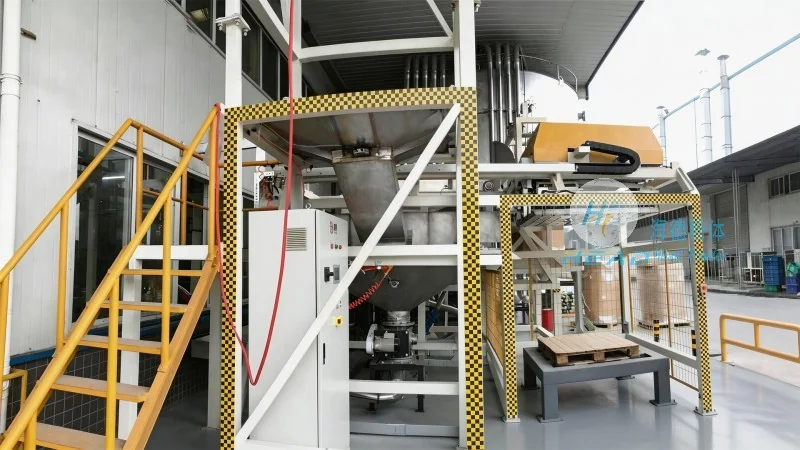
Key Components and Working Mechanism of Positive Pressure Systems
A typical positive pressure pneumatic conveying system for plastic granules consists of several critical components. The air supply unit, usually a rotary lobe blower or a screw compressor, generates the required pressure and flow. The feeding device, such as a rotary airlock or a venturi injector, introduces the plastic granules into the air stream without allowing air leakage. The conveying pipeline, made of wear-resistant steel or aluminum, transports the material to the destination. At the receiving end, a cyclone separator or a filter receiver separates the granules from the conveying air. The system also includes control valves, pressure sensors, and a programmable logic controller (PLC) to regulate the process. In a plastic granules positive pressure pneumatic conveying setup, the material is fed into the pipe at a pressure typically ranging from 0.5 to 2 bar. The air velocity is carefully selected to maintain a stable suspension of granules, preventing blockages or excessive wear. For dense phase conveying, the granules move in slugs or plugs at low velocity, which reduces energy consumption and product degradation. For dilute phase conveying, the granules are fully suspended in the air stream at higher velocities, suitable for smaller particles. The choice between these modes depends on the specific requirements of the plastic granules pneumatic conveying application. Advanced systems incorporate sensors to monitor pressure differentials, ensuring automatic adjustment of air flow to maintain optimal conveying conditions. This intelligence not only improves efficiency but also extends the lifespan of the equipment.
Advantages of Using Positive Pressure Pneumatic Conveying for Plastic Granules
There are numerous advantages to adopting a positive pressure pneumatic conveying system for handling plastic granules. First, the system is completely enclosed, which eliminates dust emissions and protects the material from contamination. This is crucial for industries where product purity is paramount, such as food-grade plastics or medical devices. Second, the flexibility of pipeline routing allows for easy integration into existing plant layouts, even over complex paths with multiple bends and vertical lifts. Third, the system supports multiple inlets and outlets, enabling centralized distribution from a single source to several processing machines or silos. Fourth, the plastic granules conveying process under positive pressure is gentle, minimizing breakage and dust generation compared to mechanical conveying methods like screw conveyors or bucket elevators. Fifth, the maintenance requirements are low because there are few moving parts in contact with the material. The main wear points are the bends and the rotary valve, which can be designed with replaceable liners. Sixth, the energy consumption for plastic granules pneumatic conveying can be optimized by using variable frequency drives on the blower and matching the air velocity to the material properties. Finally, the system can be fully automated, with remote monitoring and control capabilities. This reduces labor costs and improves operational consistency. For companies looking to scale up production or improve material handling efficiency, investing in a positive pressure pneumatic conveying system from a reliable manufacturer like headpowder is a strategic decision.
Applications of Plastic Granules Pneumatic Conveying in Various Industries
The versatility of positive pressure pneumatic conveying makes it suitable for a wide range of industries that handle plastic granules. In the injection molding sector, the system delivers pellets directly from storage silos to the hoppers of molding machines, ensuring a continuous supply without manual intervention. In extrusion lines, the same technology feeds raw material to the extruder, maintaining consistent throughput. In the recycling industry, plastic granules pneumatic conveying is used to transport shredded or reground material from grinding stations to blending tanks or bagging units. The system also handles specialty materials such as engineering plastics, thermoplastic elastomers, and biodegradable polymers. For companies that handle multiple types of plastic granules, the system can be designed with automatic cleaning mechanisms to prevent cross-contamination between batches. The plastic granules positive pressure pneumatic conveying method is also ideal for applications where space is limited, as the pipes can be routed overhead or underground. In the pharmaceutical and food packaging sectors, the enclosed nature of the system meets strict hygiene standards. Furthermore, the system can be integrated with weighing and dosing equipment to achieve precise batching. Many manufacturers have reported a significant reduction in waste and labor costs after switching from manual handling to automated pneumatic conveying. The technology is also scalable, from small pilot plants to large industrial complexes handling hundreds of tons per day.
Why Choose Headpowder for Your Plastic Granules Conveying Solutions
Shandong Headpowder Engineering Co., Ltd., abbreviated as headpowder, is a leading provider of pneumatic conveying systems tailored to the plastic granules industry. Based in Shandong, China, the company has accumulated extensive experience in designing, manufacturing, and installing plastic granules pneumatic conveying systems for clients worldwide. The engineering team at headpowder understands the unique challenges of handling different plastic materials, from abrasive glass-filled nylon to sticky polypropylene. They offer customized solutions that optimize conveying speed, pressure, and pipeline layout to achieve the highest efficiency. The company’s product line includes both dilute phase and dense phase positive pressure systems, as well as vacuum conveying and combined systems. Each system is built with high-quality components, including durable rotary valves, abrasion-resistant pipes, and reliable filter receivers. headpowder also provides comprehensive after-sales support, including commissioning, training, and spare parts supply. For companies seeking a trusted partner for their plastic granules conveying projects, headpowder delivers turnkey solutions from concept to completion. The company’s commitment to innovation is reflected in its continuous research on energy-saving technologies and intelligent control systems. Whether you need a simple point-to-point transfer or a complex multi-destination network, headpowder can design a system that meets your exact requirements. To discuss your specific needs, you can contact Manager Zhang directly via WeChat at 15662777102. Manager Zhang is the primary contact for all inquiries related to plastic granules positive pressure pneumatic conveying and other material handling solutions. The team at headpowder is ready to provide technical consultation and a free quotation for your project.
Technical Considerations for Optimizing Plastic Granules Pneumatic Conveying
To achieve peak performance in a plastic granules positive pressure pneumatic conveying system, several technical factors must be carefully evaluated. The particle size distribution of the plastic granules directly influences the conveying velocity and pressure drop. Smaller particles require higher air velocity to maintain suspension, while larger granules may need lower velocity to avoid impact damage. The moisture content of the material also affects flowability; hygroscopic plastics may require dehumidified air to prevent clumping. The pipeline diameter and length determine the pressure loss, which must be compensated by the blower capacity. Bends, especially those with tight radii, cause additional pressure drop and wear; using long-radius bends or ceramic-lined elbows can extend system life. The filtering system at the discharge end must be sized correctly to handle the air volume and separate fine dust. Automatic control systems with pressure transmitters and flow meters enable real-time adjustments, maintaining optimal conveying conditions regardless of variations in feed rate. For plastic granules pneumatic conveying systems that handle multiple products, a purge sequence using compressed air or nitrogen can clean the pipeline between batches, preventing cross-contamination. The choice of blower type—lobe, screw, or centrifugal—affects energy efficiency and noise levels. Variable frequency drives allow the blower to operate at the exact speed required, reducing energy consumption by up to 30%. Proper grounding and explosion-proof components are essential when handling combustible plastic dust, as static electricity can ignite fines. By partnering with an experienced manufacturer like headpowder, you can ensure that these technical considerations are addressed in the design phase, resulting in a reliable and efficient conveying system that meets your production goals.
Maintenance and Longevity of Positive Pressure Pneumatic Conveying Systems
Regular maintenance is key to extending the lifespan of a plastic granules positive pressure pneumatic conveying system. The most critical components to inspect are the rotary valve, which experiences wear from the abrasive action of granules, and the pipeline bends, where erosion is most severe. Replacement of wear liners or bends should be scheduled based on operating hours and material hardness. The blower or compressor requires periodic oil changes, air filter replacements, and belt tension checks. The control system’s sensors and valves should be calibrated annually to ensure accurate readings. For plastic granules pneumatic conveying systems that operate continuously, a preventive maintenance plan can reduce unplanned downtime. The filter receiver’s filter bags or cartridges need to be cleaned or replaced when the pressure drop exceeds a threshold. It is also advisable to clean the interior of the pipeline periodically, especially if the system handles sticky or melting-prone materials. The conveying air must be dry and free of oil, as contaminants can degrade the plastic granules. Installing a moisture separator and a coalescing filter in the air supply line is a prudent measure. The team at headpowder provides maintenance manuals and remote troubleshooting support to help customers keep their systems running smoothly. For any issues or component replacements, you can reach out to Manager Zhang via WeChat at 15662777102. The company also offers upgrade services to integrate modern automation features, such as remote monitoring via IoT, which can predict failures before they occur. With proper care, a well-designed plastic granules conveying system from headpowder can serve reliably for decades, providing a strong return on investment.