

Introduction to Lithium-Ion Battery Material Powder Handling Systems: Structure and Principle of Ope
HeadPowder, a leading manufacturer in the field of powder handling technology, specializes in providing advanced solutions for the transportation and processing of lithium-ion battery materials. This article offers a comprehensive overview of the powder handling systems designed for lithium-ion battery material applications, focusing on their structural design and operational principles.
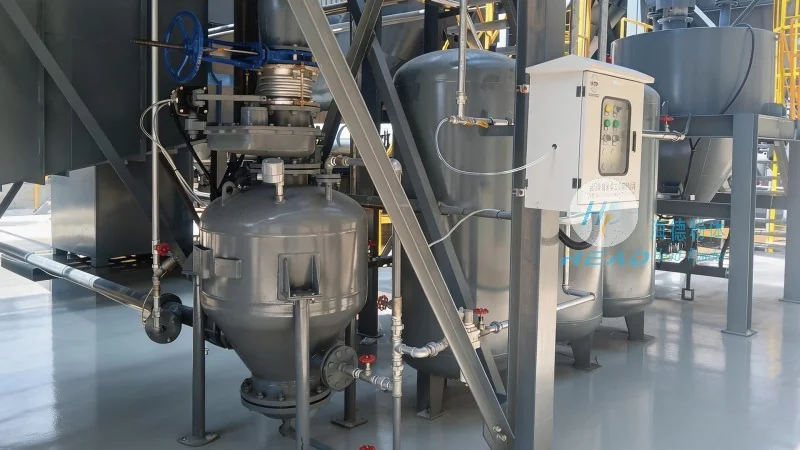
Company Profile and Background
HeadPowder, operating under the full name Shandong HeadPowder Engineering Co., Ltd., is headquartered in Shandong, China. The company has established itself as a key player in the development and manufacturing of specialized equipment for the battery materials industry. With a strong commitment to innovation and quality, HeadPowder delivers reliable and efficient powder handling solutions tailored to the demands of modern lithium-ion battery production lines.
Overview of Lithium-Ion Battery Material Powder Handling Systems
The powder handling systems for lithium-ion battery materials are engineered to handle various types of powders, including cathode and anode materials, conductive additives, and binders. These systems are critical for ensuring the consistent and safe transportation of powders from raw material storage to processing equipment, such as mixers, extruders, and coating machines. The design of these systems addresses challenges like dust control, material flow uniformity, and contamination prevention, which are essential for maintaining product quality and operational safety.
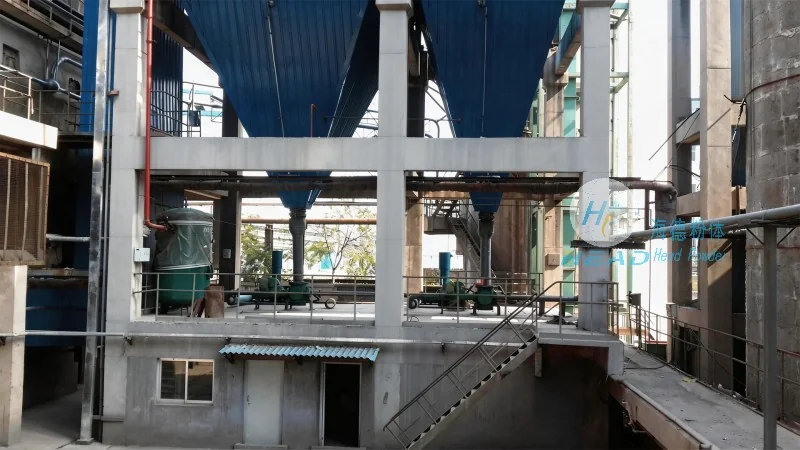
Structural Components and Design Principles
The core components of a typical lithium-ion battery material powder handling system include feeders, conveyors, storage hoppers, and control systems. The feeders, often equipped with variable speed mechanisms, regulate the flow rate of powders to match production requirements. Conveyors, such as screw conveyors or pneumatic systems, transport the powders through the system. Storage hoppers provide a buffer for raw materials, ensuring a steady supply to downstream processes. The control systems integrate sensors and automation to monitor and adjust the operation in real-time, optimizing performance and minimizing downtime.
Operational Principles and Flow Process
The operational principle of the powder handling system involves a sequential flow of materials. Powders are first discharged from storage containers into the feed hopper. The feeder then meters the material at a controlled rate into the conveyor. The conveyor transports the powder to the processing equipment, where it is further processed. The system may also include dust collection and filtration units to capture airborne particles and maintain a clean environment. This integrated approach ensures that the entire process is efficient, safe, and compliant with industry standards.
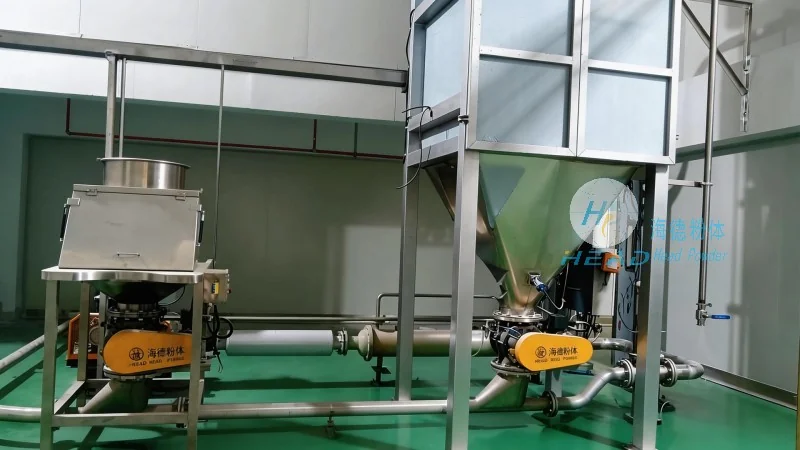
Key Features and Benefits
HeadPowder's powder handling systems for lithium-ion battery materials are characterized by several key features. The systems are designed for high precision in material flow control, which is crucial for achieving uniform particle distribution in battery electrodes. The robust construction ensures durability and long-term reliability, even under demanding production conditions. Additionally, the systems incorporate advanced safety features, such as explosion-proof designs and overfill protection, to mitigate risks associated with handling flammable or reactive materials. These features collectively contribute to improved production efficiency, reduced waste, and enhanced product quality.
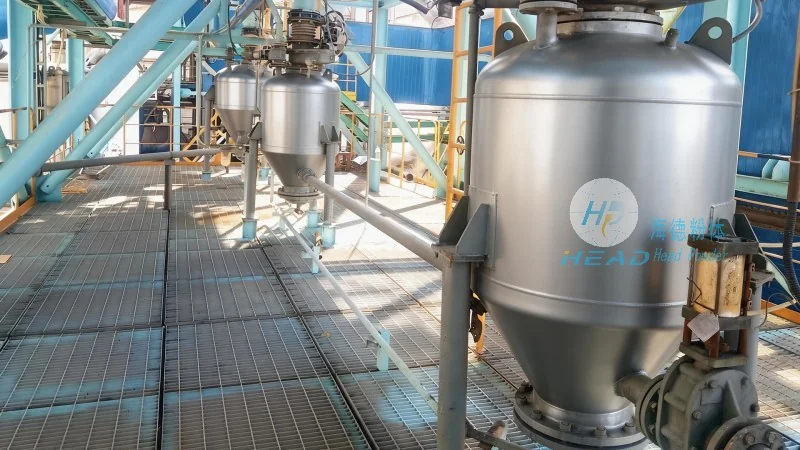
Application in Lithium-Ion Battery Manufacturing
The powder handling systems play a vital role in the overall lithium-ion battery manufacturing process. By ensuring the consistent and reliable supply of raw materials, these systems support the production of high-performance battery cells. The uniformity of powder feed directly impacts the final battery performance, including energy density, cycle life, and safety. HeadPowder's solutions are tailored to meet the specific needs of different battery chemistries and production scales, providing customized solutions that enhance operational efficiency and product consistency.
Conclusion
In summary, the lithium-ion battery material powder handling systems developed by Shandong HeadPowder Engineering Co., Ltd. represent advanced engineering solutions for the battery materials industry. Through a combination of robust structural design, precise control mechanisms, and comprehensive safety features, these systems enable efficient and reliable powder transportation, contributing to the overall quality and performance of lithium-ion batteries. HeadPowder's commitment to innovation and customer-centric solutions positions them as a trusted partner in the evolving battery technology landscape.