

Introduction to Dye Pneumatic Conveying: Structure and Principle Overview
Dye pneumatic conveying systems represent a sophisticated method for transporting dye powders and granules through a pipeline using compressed air. This technology is widely adopted in the dye manufacturing and processing industries due to its efficiency, flexibility, and ability to handle various types of dye materials. The system operates by creating a flow of air that propels the solid particles through the pipeline, ensuring a consistent and controlled transfer process. Understanding the structural components and operational principles of these systems is crucial for optimizing performance and ensuring reliable operation in industrial settings.
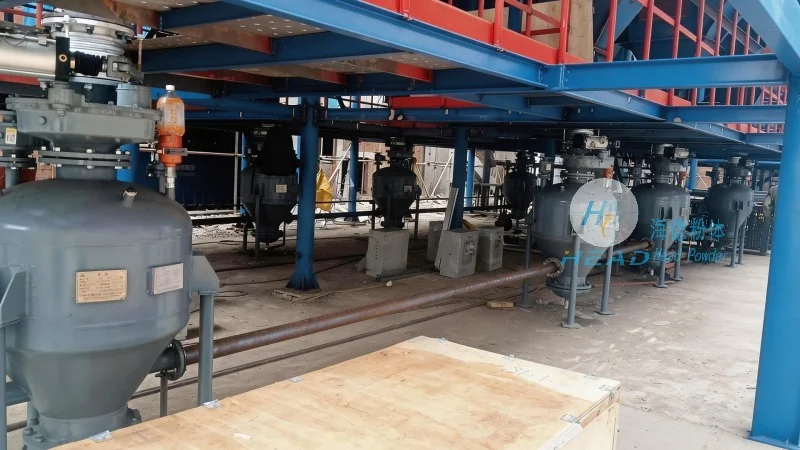
Key Structural Components of Dye Pneumatic Conveying Systems
The core structure of a dye pneumatic conveying system comprises several essential components that work in tandem to facilitate the material transfer. The primary components include the material feed hopper, which holds the dye powder or granules and provides a controlled discharge mechanism. The feeder, often a rotary valve or a screw feeder, regulates the flow rate of the dye into the conveying line, ensuring a steady supply of material. The conveying pipeline itself is typically made of stainless steel or other corrosion-resistant materials to accommodate the chemical properties of dyes and prevent contamination. The air compressor or blower generates the necessary pressure and volume of air to move the particles through the system. Additionally, the system may include a filter or cyclone separator to remove excess air and collect any particles that may have escaped, maintaining system efficiency and preventing product loss. The control panel, equipped with sensors and valves, monitors and adjusts the system parameters in real-time, ensuring optimal operation and safety.
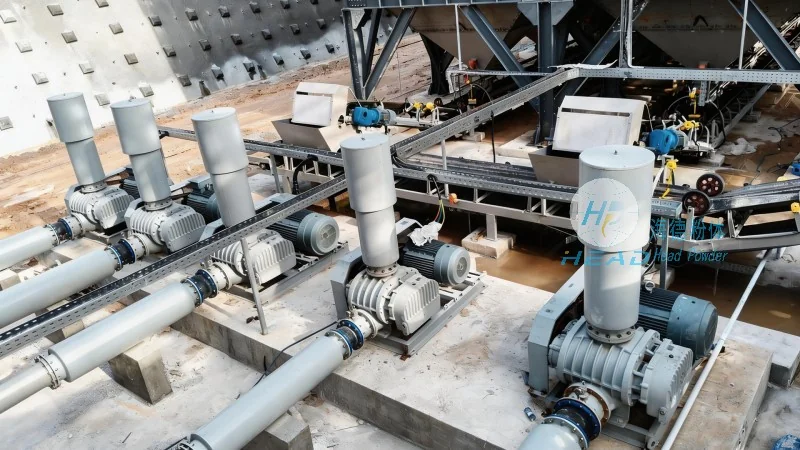
Operational Principles of Dye Pneumatic Conveying
The principle of operation for dye pneumatic conveying is based on the creation of a fluidized or suspended state of the solid particles within the air stream. When compressed air is introduced into the conveying line, it creates a low-density mixture of air and dye particles. This mixture flows through the pipeline at a velocity sufficient to keep the particles suspended, preventing them from settling or clogging the system. The air pressure and flow rate are carefully controlled to maintain the proper conveying velocity, which is typically determined by the particle size, density, and moisture content of the dye. The system can operate in either dilute-phase or dense-phase modes, depending on the application requirements. In dilute-phase conveying, the air-to-solid ratio is high, resulting in a fast, high-velocity flow suitable for short distances or low-density materials. In dense-phase conveying, the air-to-solid ratio is lower, leading to a slower, more controlled flow that minimizes product degradation and is ideal for handling sensitive or high-value dyes. The selection of the conveying mode depends on factors such as the distance between the feed and discharge points, the required material handling capacity, and the physical properties of the dye being transported.
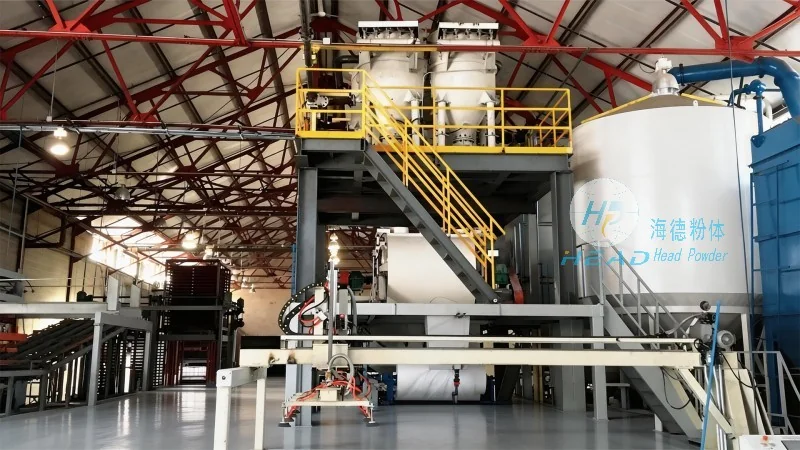
Advantages of Dye Pneumatic Conveying Systems
Implementing dye pneumatic conveying systems offers several advantages over traditional mechanical conveying methods. One of the most significant benefits is the reduction in product contamination and degradation. Since the material is transported in an enclosed system with minimal contact with the environment, the risk of dust exposure, moisture absorption, or chemical reactions is minimized. This is particularly important for dyes, which are often sensitive to moisture and can degrade if exposed to air or moisture for extended periods. Additionally, pneumatic conveying systems are highly flexible and can be easily integrated into existing production lines or reconfigured to accommodate changes in production volume or product types. The system can handle a wide range of particle sizes and shapes, from fine powders to coarse granules, without requiring significant modifications. Another advantage is the ability to transport materials over long distances with minimal energy consumption compared to other methods like bucket elevators or belt conveyors. The system also reduces labor costs associated with manual handling and improves workplace safety by eliminating the need for manual loading and unloading of materials.
Applications in the Dye Industry
Dye pneumatic conveying systems are widely used in various applications within the dye manufacturing and processing industry. In dye production facilities, these systems are employed to transport raw dye powders from storage silos to processing equipment, such as mixers or reactors. They are also used to move finished dye products from the production line to packaging or storage areas. In dye processing plants, the systems facilitate the transfer of dyed materials between different processing stages, such as from the dyeing machine to the drying or finishing equipment. The ability to handle both raw and finished materials makes pneumatic conveying a versatile solution for optimizing production workflows. Furthermore, the systems are suitable for handling a variety of dye types, including acid dyes, direct dyes, reactive dyes, and disperse dyes, each with different physical properties and handling requirements. The flexibility of the system allows for the customization of conveying parameters to suit the specific characteristics of each dye type, ensuring efficient and reliable operation.
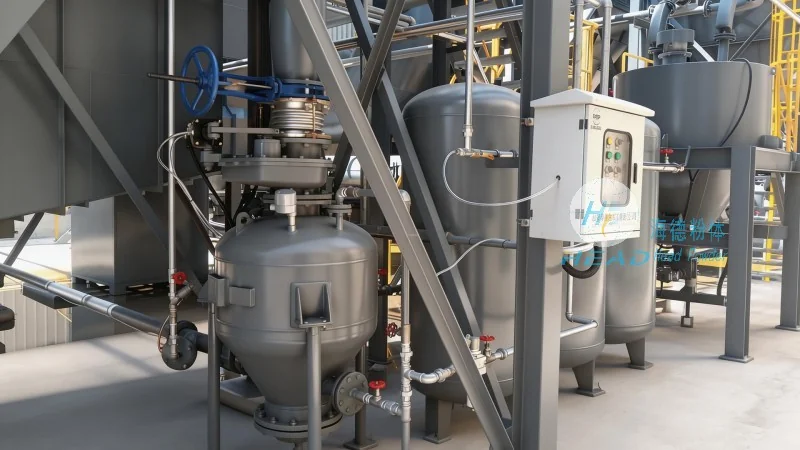
Maintenance and Operational Considerations
Proper maintenance and operational considerations are essential to ensure the longevity and efficiency of dye pneumatic conveying systems. Regular inspection and cleaning of the conveying pipeline, filter, and cyclone separator are necessary to prevent clogging and maintain system performance. The air compressor or blower should be checked regularly for proper operation and maintenance to ensure consistent air pressure and flow. The feeder and material feed hopper should be inspected for wear and tear, and the rotary valve or screw feeder should be lubricated as per the manufacturer's recommendations. The control panel and sensors should be calibrated periodically to ensure accurate monitoring and adjustment of system parameters. Additionally, the system should be operated within the recommended air-to-solid ratios and conveying velocities to prevent excessive wear on components and maintain product quality. Proper training of operators on the system's operation and maintenance procedures is crucial to avoid operational errors and ensure safe and efficient operation. By adhering to these maintenance and operational guidelines, dye manufacturers can maximize the lifespan of their pneumatic conveying systems and minimize downtime or performance issues.