

Operation Process and Working Principle of Powder Pneumatic Conveying System for Masterbatch
Masterbatch powder pneumatic conveying systems are critical components in the manufacturing and processing industries, particularly for handling color masterbatch materials. These systems efficiently transport fine powders like masterbatch over long distances or within complex production lines, ensuring consistent quality and minimal material loss. The operation process and working principles of such systems are essential for understanding their functionality and optimizing performance in industrial applications.
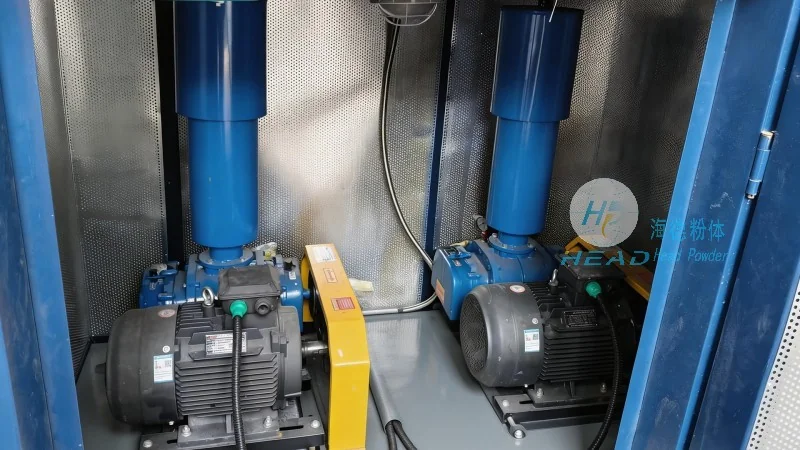
Overview of Masterbatch Powder Pneumatic Conveying Systems
Masterbatch powder pneumatic conveying systems are designed to transport dry powder materials, including color masterbatch, through a pressurized or vacuum environment. These systems are widely used in the plastics, chemicals, and food industries due to their ability to handle fine powders without the need for mechanical components like belts or buckets. The primary goal is to maintain the integrity of the powder, prevent agglomeration, and ensure reliable delivery to processing equipment. The system typically consists of a hopper, a conveying line, a control unit, and a receiver, all working in tandem to achieve efficient material transport.
The Operation Process of the System
The operation process of a masterbatch powder pneumatic conveying system involves several key steps that ensure smooth and continuous material transfer. First, the masterbatch powder is fed into the hopper from a storage silo or bag. The hopper is equipped with a feeder, often a rotary valve or a screw feeder, which regulates the flow rate of the powder into the conveying line. As the powder enters the line, it is mixed with a carrier gas, usually air or nitrogen, under controlled pressure. The pressurized air then propels the powder particles through the pipeline to the destination point, such as a mixer or a storage tank. At the receiving end, the powder is separated from the gas using a cyclone or a filter, and the clean powder is collected in the receiver. The system’s control unit monitors parameters like pressure, flow rate, and temperature to maintain optimal operation and prevent issues like blockages or material degradation.
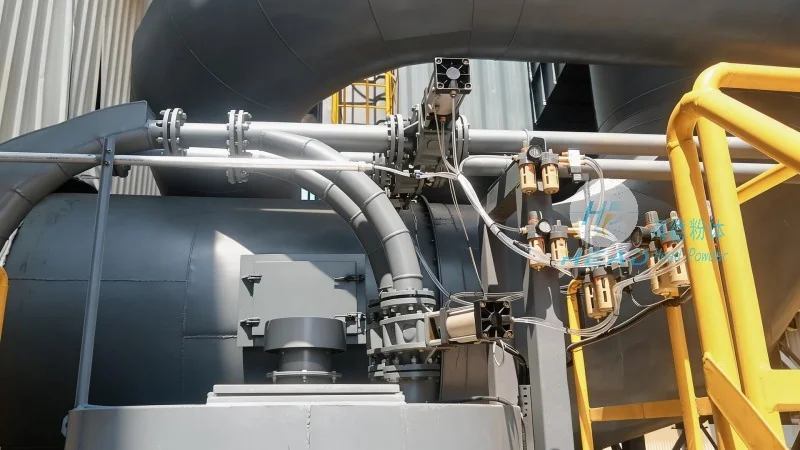
Working Principle of the Pneumatic Conveying System
The working principle of a masterbatch powder pneumatic conveying system is based on the principles of fluid dynamics and particle transport. When the carrier gas is introduced into the conveying line at a sufficient velocity, it creates a drag force on the powder particles, allowing them to be suspended and transported along the pipeline. The key factors influencing the system’s performance include the air velocity, the particle size and density of the masterbatch, and the system’s pressure. For masterbatch powders, which are often fine and cohesive, the system must be designed to prevent particle agglomeration and ensure stable suspension. The use of positive pressure (pressure conveying) is common for masterbatch systems, as it provides consistent flow and reduces the risk of material degradation compared to negative pressure (vacuum conveying) systems. The system’s design, including the pipeline diameter, the number of bends, and the length of the conveying line, is critical to achieving efficient transport without excessive energy consumption or pressure drop.
Key Components and Their Functions
Several key components make up a masterbatch powder pneumatic conveying system, each playing a crucial role in the overall operation. The hopper serves as the storage and feeding unit, where the masterbatch powder is held before being transferred. The feeder, typically a rotary valve or a screw feeder, controls the flow rate of the powder into the conveying line, ensuring a consistent feed rate. The conveying line, usually made of stainless steel or other corrosion-resistant materials, transports the powder and gas mixture. The control unit, often a PLC (Programmable Logic Controller), monitors and adjusts system parameters to maintain optimal performance. The receiver, equipped with a cyclone or filter, separates the powder from the gas and collects the material. Additionally, the system may include a venturi or a pulse jet system to assist in particle suspension and prevent blockages. Each component must be carefully selected and maintained to ensure the system operates efficiently and reliably.
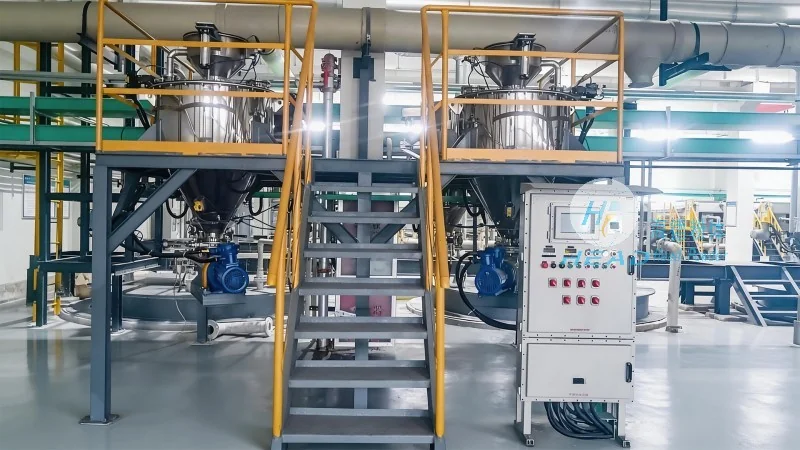
Benefits of Using Masterbatch Powder Pneumatic Conveying Systems
Implementing a masterbatch powder pneumatic conveying system offers several benefits for industrial operations. First, it provides a clean and hygienic method of transporting fine powders, which is essential in industries like food and pharmaceuticals where contamination must be minimized. The system reduces the risk of material degradation due to exposure to air or moisture, as the powder is enclosed within the pipeline. Additionally, pneumatic conveying systems are flexible and can be easily integrated into existing production lines, allowing for changes in material flow or processing requirements. The system also minimizes material loss and waste, as the powder is transported without the need for manual handling or mechanical components that may cause breakage or agglomeration. Finally, the system can improve production efficiency by reducing downtime and ensuring consistent material delivery to processing equipment.
Company Information: Shandong HeadPowder Engineering Co., Ltd.
Shandong HeadPowder Engineering Co., Ltd., operating under the brand name headpowder, is a leading manufacturer of masterbatch powder pneumatic conveying systems. The company is headquartered in Shandong, China, and specializes in designing, manufacturing, and supplying high-quality conveying systems for various industrial applications. With years of experience in the industry, headpowder has developed advanced solutions that meet the specific needs of customers in the plastics, chemicals, and food sectors. The company’s products are known for their reliability, efficiency, and durability, ensuring long-term performance and minimal maintenance costs. Headpowder’s team of engineers and technicians work closely with clients to understand their requirements and provide customized solutions that enhance their production processes. The company adheres to international quality standards and continuously invests in research and development to improve its products and stay ahead of industry trends.