

Operation Process and Working Principle of Material Conveying Lines in Dust Extraction Stations
HeadPowder, a leading manufacturer in the field of dust extraction and material handling systems, specializes in providing efficient and reliable material conveying solutions for industrial applications. This article delves into the operation process and working principle of material conveying lines integrated within dust extraction stations, highlighting the key components, operational flow, and technical aspects that ensure optimal performance. The company, Shandong HeadPowder Engineering Co., Ltd., is based in Shandong, China, and has a strong reputation for delivering customized and high-performance dust extraction and material handling systems.
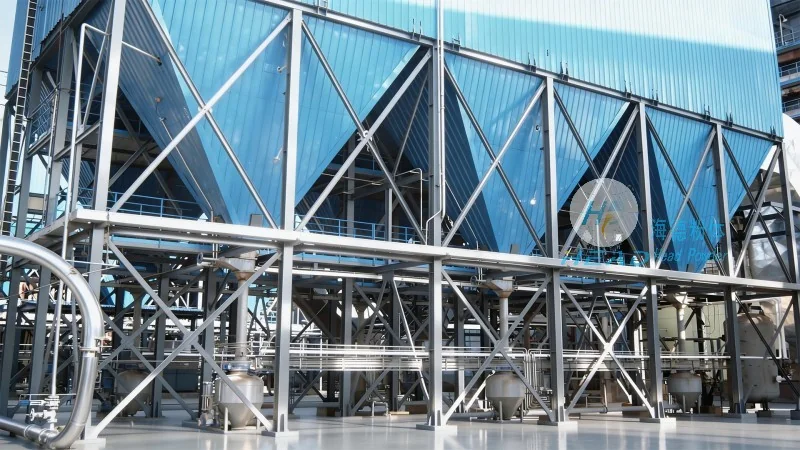
Introduction to Material Conveying Lines in Dust Extraction Stations
Material conveying lines are integral components of modern dust extraction systems, designed to transport bulk materials from processing areas to storage or processing units while maintaining air quality and operational efficiency. The integration of these systems with dust extraction equipment allows for a seamless flow of materials, reducing dust emissions and enhancing workplace safety. HeadPowder's expertise lies in designing and manufacturing customized conveying solutions that meet the specific requirements of various industrial sectors, including manufacturing, mining, and chemical processing.
Key Components of Material Conveying Lines
The material conveying lines in dust extraction stations typically consist of several key components that work in tandem to ensure smooth material transport. These include:
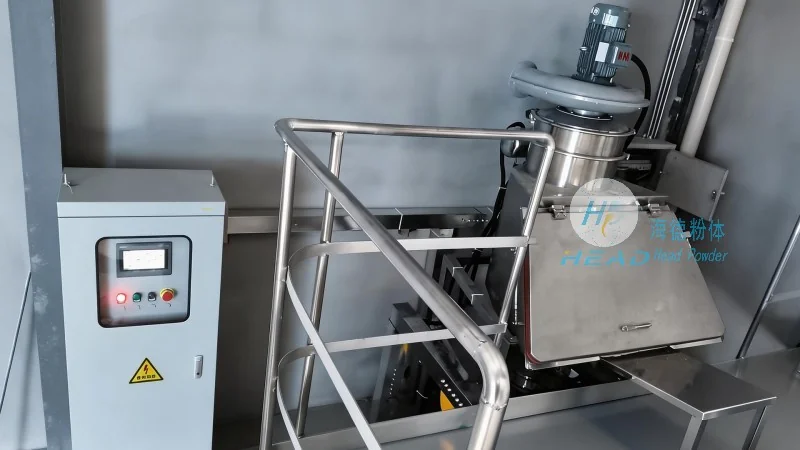
- Conveying Equipment: Such as belt conveyors, screw conveyors, or pneumatic conveying systems, which are selected based on the material characteristics (e.g., particle size, moisture content, and abrasiveness) and the required conveying capacity.
- Dust Extraction Hoods: Positioned at the material discharge or transfer points to capture airborne dust particles, preventing their release into the environment and protecting the workforce.
- Filtering and Cleaning Systems: Including bag filters or cartridge filters that remove dust from the extracted air, with mechanisms for regular cleaning to maintain efficiency.
- Control Systems: Advanced control panels and sensors that monitor the conveying process, ensuring proper operation, detecting blockages or malfunctions, and adjusting parameters as needed.
Working Principle of Material Conveying Lines
The operation of material conveying lines in dust extraction stations follows a systematic process that combines material transport with dust control. The workflow typically begins with the material being fed into the conveying system at the source point. As the material moves through the conveyor, the dust extraction hood captures any airborne particles, which are then filtered and cleaned before the air is released back into the environment. The conveying equipment then transports the material to the next stage of processing or storage.
Operation Process of Material Conveying Lines
The operation process of material conveying lines in dust extraction stations involves several sequential steps, each critical to the overall efficiency and effectiveness of the system. The process can be broken down as follows:
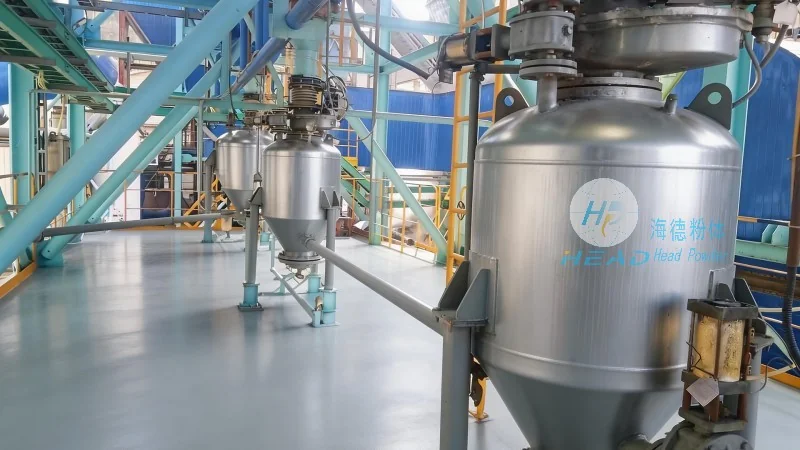
- Material Loading: The bulk material is loaded into the conveying system, either manually or via automated feeding mechanisms. This step ensures a consistent supply of material to the conveyor.
- Conveying and Transfer: The material is transported through the conveyor system, which may involve multiple segments or changes in direction. The speed and tension of the conveyor are adjusted to handle the material's characteristics and prevent blockages.
- Dust Extraction: At key points along the conveying line, dust extraction hoods capture dust particles generated during material transfer. The extracted air is then passed through a filtering system to remove the dust, with the cleaned air being discharged or recirculated.
- Material Discharge: The material is discharged from the conveying system into a storage bin, processing unit, or another part of the industrial facility. The discharge point is designed to minimize dust generation and ensure smooth material flow.
- System Monitoring and Maintenance: Continuous monitoring of the conveying system's performance, including conveyor speed, pressure, and filter efficiency, is essential. Regular maintenance, such as filter cleaning or conveyor lubrication, is performed to ensure long-term reliability and optimal operation.
Benefits of Integrated Material Conveying and Dust Extraction Systems
Integrating material conveying lines with dust extraction systems offers several advantages for industrial operations. These include:
- Enhanced Air Quality: By capturing dust at the source, the system reduces airborne contaminants, improving workplace safety and compliance with environmental regulations.
- Increased Efficiency: The seamless flow of materials minimizes downtime and reduces the need for manual handling, leading to higher productivity and lower operational costs.
- Reduced Maintenance: The integrated design allows for easier maintenance and troubleshooting, as components are interconnected and monitored centrally.
- Customization: HeadPowder's solutions are tailored to specific industrial needs, ensuring that the conveying system matches the material's characteristics and the facility's layout.
Conclusion
Material conveying lines in dust extraction stations are critical components of modern industrial operations, combining efficient material transport with effective dust control. HeadPowder, with its expertise in engineering and manufacturing, provides high-quality solutions that enhance operational efficiency, improve workplace safety, and comply with environmental standards. By understanding the operation process and working principle of these systems, industrial facilities can optimize their material handling processes and achieve better overall performance.