

Additive Material Conveying: Operation Process and Working Principle
Shandong HeadPowder Engineering Co., Ltd., commonly known as headpowder, specializes in the design, manufacturing, and implementation of advanced conveying systems for additive materials. With a focus on precision and efficiency, the company serves industries that rely on the reliable transport of various additives, including chemicals, powders, and granules. Based in Shandong, China, headpowder leverages years of expertise to deliver tailored solutions that meet the unique demands of each client.
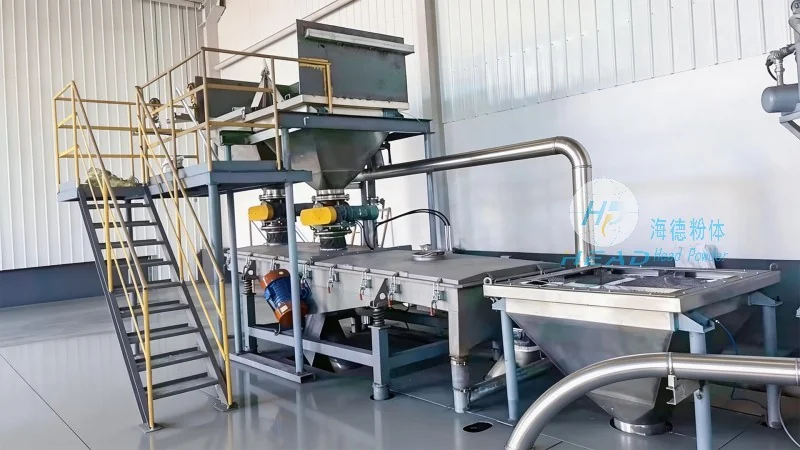
Understanding the Additive Material Conveying Process
The operation of an additive material conveying system involves a series of coordinated steps designed to ensure the safe, efficient, and consistent transport of materials from source to destination. The process typically begins with the loading of the additive material into a storage hopper or silo. From there, the material is drawn into the conveying system through a feeding mechanism, such as a rotary valve or a screw feeder, which controls the flow rate and prevents blockages. The core of the system, often a pneumatic or mechanical conveyor, then transports the material through a network of pipes or hoses to the desired location, such as a mixing or processing unit. At the end of the line, a discharge mechanism, like a rotary airlock or a gate valve, regulates the release of the material, ensuring it is delivered in the correct quantity and at the right time.
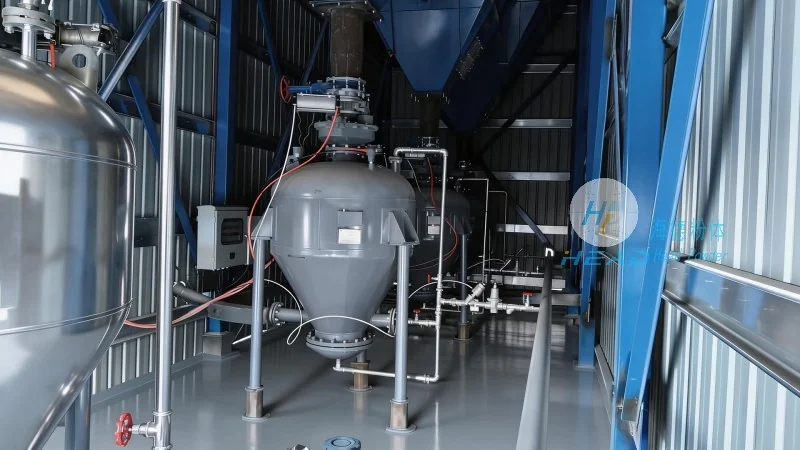
Working Principle of Additive Material Conveying Systems
The working principle of additive material conveying systems is based on the principles of fluid dynamics and mechanical force. For pneumatic conveying systems, compressed air is used to create a flow that carries the material particles through the system. The air velocity is carefully controlled to maintain a stable suspension of the material, preventing clogging and ensuring smooth transport. In mechanical conveying systems, such as screw or belt conveyors, the material is moved by the rotation of a screw or the movement of a belt, which applies a continuous force to push the material forward. Both systems rely on precise control of pressure, flow rate, and speed to optimize performance and minimize material degradation. The design of the system, including the type of conveyor, the size of the pipes, and the configuration of the feeding and discharge points, is tailored to the specific characteristics of the additive material, such as its particle size, density, and flowability.
Key Components and Their Roles in the Conveying Process
Several critical components work together to ensure the smooth operation of an additive material conveying system. The storage hopper or silo serves as the primary container for the material, providing a stable source of supply. The feeding mechanism, which may include a rotary valve, screw feeder, or vibratory feeder, regulates the flow of material into the conveyor, preventing overloading and ensuring consistent feed rates. The conveyor itself, whether pneumatic or mechanical, is the heart of the system, responsible for transporting the material through the entire line. The pipeline or hose network connects the components and directs the material to its destination. The discharge mechanism, such as a rotary airlock or a gate valve, controls the release of the material at the end of the line, preventing backflow and maintaining the integrity of the process. Additionally, control systems, including sensors and valves, monitor the pressure, flow rate, and temperature of the system, allowing for real-time adjustments to maintain optimal performance.
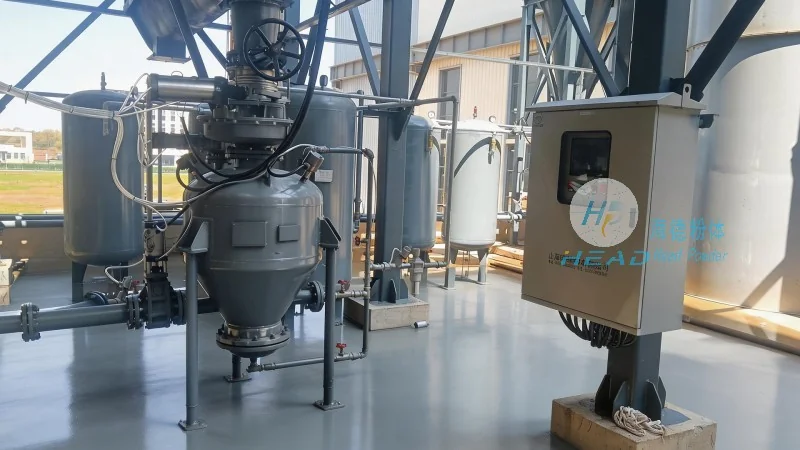
Benefits of Efficient Additive Material Conveying
Efficient additive material conveying systems offer numerous benefits to industries that rely on the consistent transport of additives. By ensuring that materials are delivered in the correct quantity and at the right time, these systems improve the overall productivity of the production process. The precise control of flow rates and pressure minimizes material waste and reduces the risk of clogging or blockages, which can lead to costly downtime. Additionally, the use of advanced materials and designs in the construction of the conveying system enhances durability and longevity, reducing maintenance costs over time. The ability to handle a wide range of additive materials, from fine powders to bulk granules, makes these systems versatile and adaptable to various industrial applications. Overall, the implementation of an efficient additive material conveying system contributes to improved process reliability, reduced operational costs, and enhanced product quality.