

Operating Process and Working Principle of Sawdust and Husk Powder Conveying System Equipment
Shandong HeadPowder Engineering Co., Ltd., a leading manufacturer in the field of powder handling technology, specializes in the design, development, and production of advanced conveying systems for various industrial applications. The company is headquartered in Shandong, China, and has established a strong reputation for delivering high-quality, efficient, and reliable equipment tailored to meet the specific needs of clients in the agricultural, forestry, and related industries.
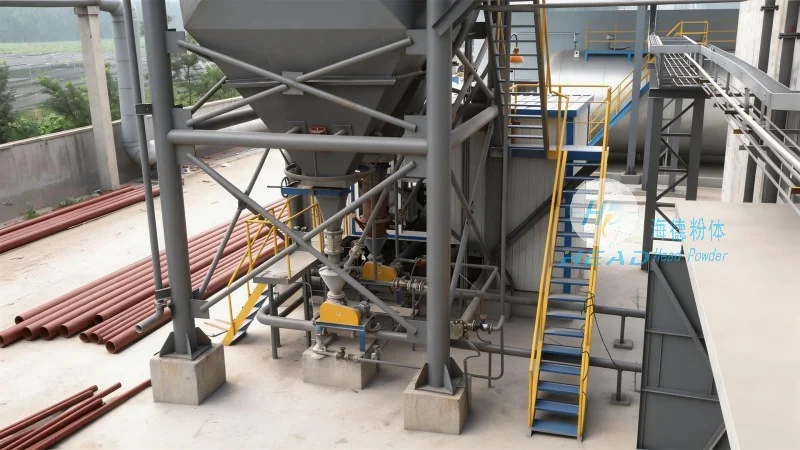
Overview of the Sawdust and Husk Powder Conveying System
The sawdust and husk powder conveying system is a sophisticated piece of industrial equipment engineered to handle the transportation of fine powders such as sawdust and husk from one location to another with precision and efficiency. This system is particularly valuable in processing facilities where these materials are generated as byproducts and need to be moved for further processing, storage, or disposal. The design of the system incorporates robust components that can withstand the abrasive nature of these materials, ensuring long-term durability and minimal maintenance requirements.
Key Components of the Conveying System
The sawdust and husk powder conveying system typically consists of several critical components that work in tandem to achieve effective material transport. These components include a hopper for material storage, a feeding mechanism to control the flow of powder into the system, a conveyor (such as a screw or pneumatic conveyor) that moves the material through the system, and a discharge unit that delivers the material to its final destination. Each component is carefully selected and integrated to ensure smooth operation and optimal performance.
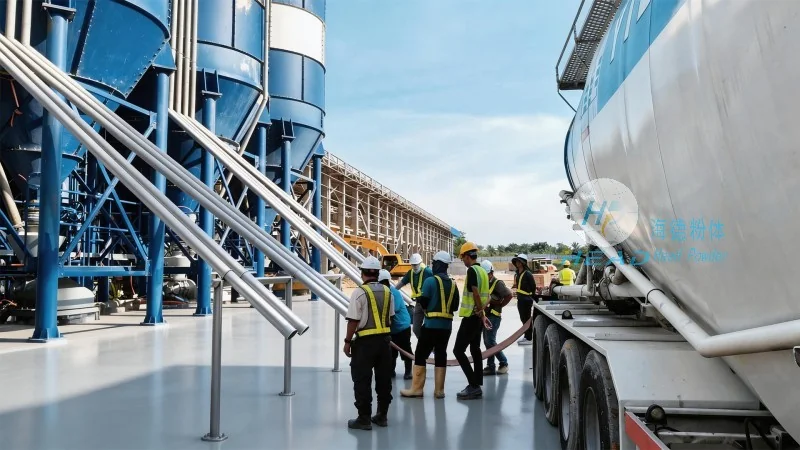
Operating Process of the Conveying System
The operation of the sawdust and husk powder conveying system begins with the loading of the hopper. The material, which may be sawdust or husk, is fed into the hopper from a processing or storage area. The feeding mechanism then regulates the flow of material into the conveyor, ensuring a consistent and controlled rate of material transfer. As the material moves through the conveyor, it is transported to the discharge point, where it is released into a storage bin or directly to the next processing stage. The system is equipped with sensors and control panels that allow operators to monitor the flow rate, pressure, and other critical parameters, enabling real-time adjustments to maintain optimal performance.
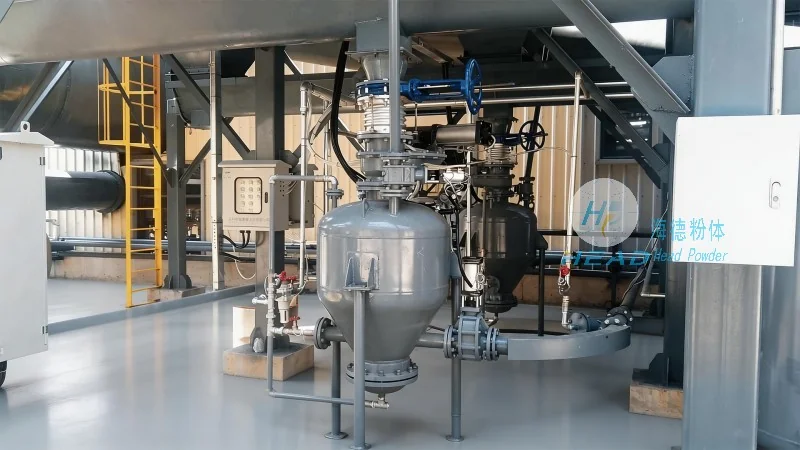
Working Principle of the Conveying System
The working principle of the sawdust and husk powder conveying system is based on the principles of mechanical or pneumatic transport, depending on the specific design of the equipment. For mechanical conveyors, such as screw conveyors, the material is moved by the rotation of a screw within a tube. The screw's rotation creates a continuous flow of material, pushing it forward through the conveyor. This method is effective for handling dry, free-flowing powders and is known for its reliability and low maintenance. Pneumatic conveyors, on the other hand, use compressed air to transport the material through a pipeline. The air flow creates a negative pressure that draws the material into the pipeline, where it is carried to the discharge point. This method is particularly suitable for handling fine powders that are prone to dust generation and require a dust-free transport environment.

Advantages and Applications
The sawdust and husk powder conveying system offers several advantages that make it an ideal choice for industrial applications. These advantages include high efficiency in material transport, minimal material loss during handling, and the ability to handle a wide range of powder types and sizes. The system is widely used in the woodworking industry for transporting sawdust from sawing and planing operations, in the agricultural industry for handling husk from grain processing, and in other industries where fine powders need to be moved safely and effectively. The robust design and advanced control systems ensure that the system can operate continuously for extended periods, reducing downtime and increasing overall productivity.
Maintenance and Safety Considerations
To ensure the long-term performance and safety of the sawdust and husk powder conveying system, regular maintenance and adherence to safety protocols are essential. The system should be inspected regularly for signs of wear and tear, such as frayed conveyor belts or damaged components. Lubrication of moving parts is also important to prevent friction and overheating. Additionally, safety measures such as dust suppression systems and proper ventilation should be implemented to protect operators from dust exposure and ensure a safe working environment. By following these maintenance and safety guidelines, the system can maintain its efficiency and reliability, providing consistent performance over its service life.