

Operation Process and Working Principle of Glucose Powder Conveying System Equipment
Glucose powder conveying systems are critical components in the pharmaceutical, food, and chemical industries, designed to efficiently transport bulk glucose powder from storage to processing units. The operation of such systems involves a series of precise steps and mechanical processes that ensure consistent flow, minimal product degradation, and adherence to safety standards. This article delves into the detailed operation process and working principles of these systems, highlighting the key components and their interplay in delivering reliable performance.
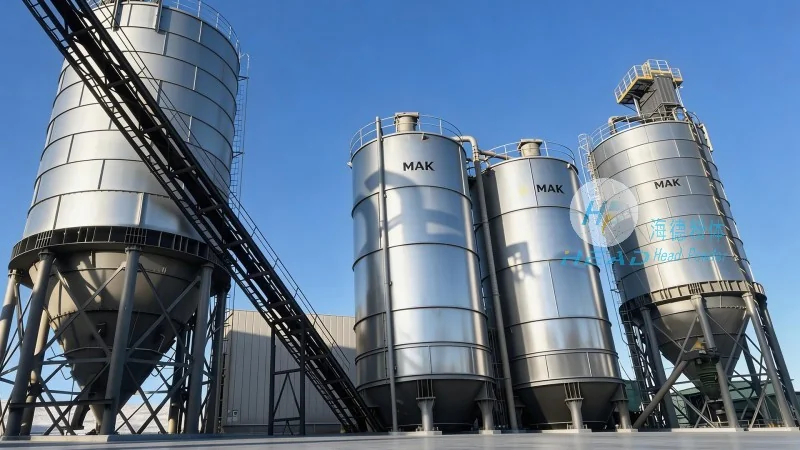
Key Components of the Glucose Powder Conveying System
The glucose powder conveying system typically consists of several core components that work in tandem to facilitate smooth material handling. These include a hopper for bulk storage, a feeder mechanism to control the flow rate, a conveyor or pneumatic transport system for movement, and a control panel for monitoring and adjustment. Each component plays a vital role in maintaining the integrity of the glucose powder and ensuring efficient operation.
Operation Process: Step-by-Step Overview
The operation of the glucose powder conveying system begins with the loading of bulk glucose powder into the hopper. The feeder, often a rotary valve or a screw feeder, regulates the flow of powder from the hopper into the conveyor system. This controlled release prevents overloading and ensures a steady feed rate. The conveyor, which may be a belt conveyor, screw conveyor, or pneumatic duct system, then transports the powder to the processing unit. The system is equipped with sensors and control mechanisms to monitor pressure, flow rate, and material level, allowing for real-time adjustments to maintain optimal performance.
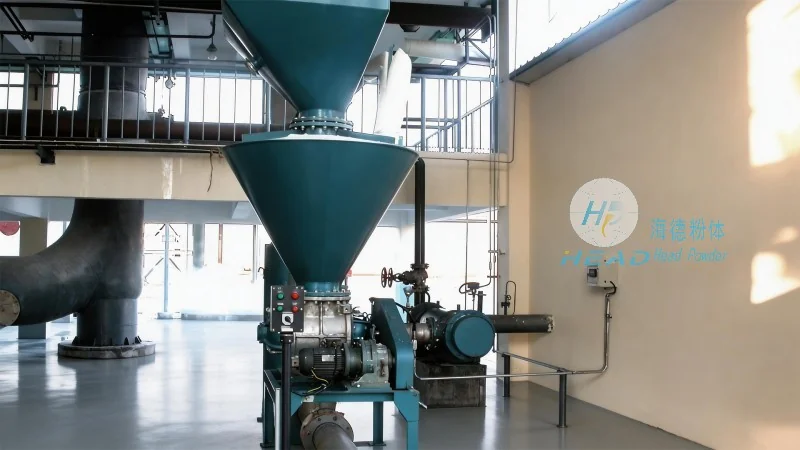
Working Principle: Mechanical and Pneumatic Dynamics
The working principle of the glucose powder conveying system combines mechanical and pneumatic forces to move the powder. In mechanical systems, the feeder and conveyor use gravity and mechanical force to transport the powder. For example, a screw conveyor rotates to push the powder forward, while a belt conveyor uses a motor-driven pulley system to move the material. In pneumatic systems, compressed air is used to create a flow of air that carries the powder particles through a duct. This method is particularly effective for fine powders like glucose, as it minimizes particle attrition and maintains product quality.
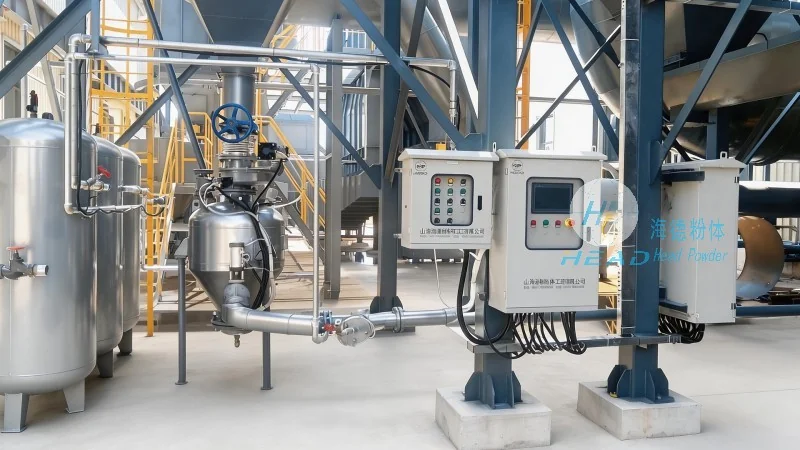
Ensuring Efficiency and Safety in Operation
Efficiency and safety are paramount in the operation of glucose powder conveying systems. Regular maintenance of components such as the feeder, conveyor, and control panel is essential to prevent downtime and ensure consistent performance. The system is designed with features like dust collection and explosion-proof mechanisms to comply with industrial safety standards. Additionally, the control panel allows operators to adjust parameters such as flow rate and pressure, adapting to varying production demands while maintaining product quality.
About Shandong HeadPowder Engineering Co., Ltd.
Shandong HeadPowder Engineering Co., Ltd., operating under the brand name headpowder, is a leading manufacturer of specialized powder handling equipment. With a focus on innovation and quality, the company provides tailored solutions for the pharmaceutical, food, and chemical industries. Headpowder's expertise lies in designing and manufacturing systems that meet the stringent requirements of glucose powder handling, ensuring reliability, efficiency, and compliance with industry regulations. The company's commitment to customer satisfaction and product excellence has established it as a trusted partner in the industry.