

Principle and Working Scene Characteristics of Talc Powder Material Pneumatic Conveying Equipment
Headpowder, a leading manufacturer based in Shandong, China, specializes in the design and production of pneumatic conveying equipment tailored for talc powder handling. This article explores the fundamental principles behind such systems and highlights the key working scene characteristics that make them ideal for talc powder transportation.
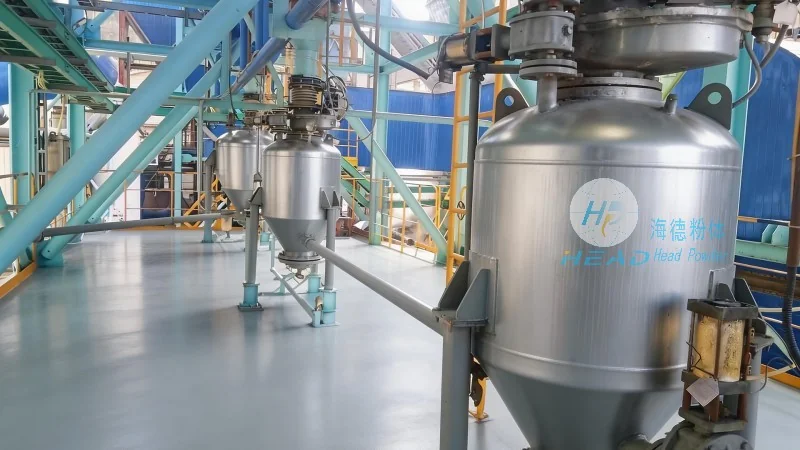
Understanding Pneumatic Conveying Systems
Pneumatic conveying is a method of transporting bulk materials, such as talc powder, through a pipeline using air or gas as the conveying medium. Unlike traditional mechanical conveyors, which rely on mechanical components like belts or screws, pneumatic systems utilize the force of compressed air to move materials. This approach offers several advantages, including the ability to handle fine powders without the risk of clogging or degradation, which is critical for delicate materials like talc.
The Principle of Talc Powder Pneumatic Conveying
The core principle of talc powder pneumatic conveying involves creating a pressure differential within the conveying line. A blower or compressor generates high-pressure air, which is introduced into the material feed point. The talc powder is then drawn into the air stream and carried through the pipeline to the discharge point. The system typically includes components like a hopper, feeder, pipeline, and receiver, all working in concert to ensure efficient material transport. The design of the conveying line, including the diameter and length of the pipes, is crucial for maintaining the optimal air-to-material ratio, which directly impacts the system's efficiency and material quality.
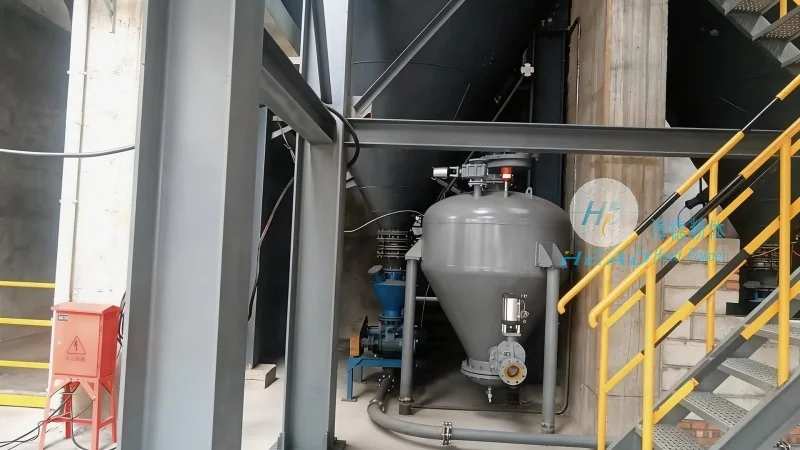
Key Working Scene Characteristics
When considering the application of talc powder pneumatic conveying equipment, several working scene characteristics must be evaluated to ensure optimal performance. These include the material's physical properties, such as particle size, moisture content, and flowability, as well as the operational environment, including the distance between the feed and discharge points and the required throughput. The choice of equipment, such as dilute-phase or dense-phase systems, depends on these factors. For example, dilute-phase systems are suitable for long-distance transport with low material concentration, while dense-phase systems are preferred for short-distance transport or when handling materials that are prone to bridging or clogging. Additionally, the system's ability to handle variations in material feed rate and maintain consistent pressure levels is essential for maintaining product quality and preventing equipment damage.
Applications and Industry Use Cases
Talc powder pneumatic conveying systems are widely used in various industries, including the chemical, pharmaceutical, and food processing sectors. In the chemical industry, these systems are employed to transport talc powder for the production of coatings, pigments, and other industrial products. The pharmaceutical industry utilizes them to handle talc powder in the manufacturing of tablets and capsules, where material purity and consistency are paramount. The food processing industry also benefits from these systems when handling talc powder as an anti-caking agent or filler in food products. Each application requires a customized system design to meet specific process requirements, ensuring that the talc powder is transported safely and efficiently without compromising its quality.
Advantages of Using Pneumatic Conveying for Talc Powder
Compared to traditional mechanical conveyors, talc powder pneumatic conveying offers several advantages that make it the preferred choice for many industries. One of the primary benefits is the ability to handle fine powders without the risk of clogging or material degradation. This is particularly important for talc powder, which is a delicate material that can easily break down or clump together if not handled properly. Additionally, pneumatic systems are more flexible and adaptable, allowing for easy integration into existing production lines and the ability to transport materials over long distances without the need for multiple transfer points. The systems also offer better control over material flow, enabling precise regulation of feed rates and pressure levels to maintain consistent product quality. Furthermore, the lack of mechanical components reduces maintenance requirements and downtime, leading to lower operational costs over the long term.
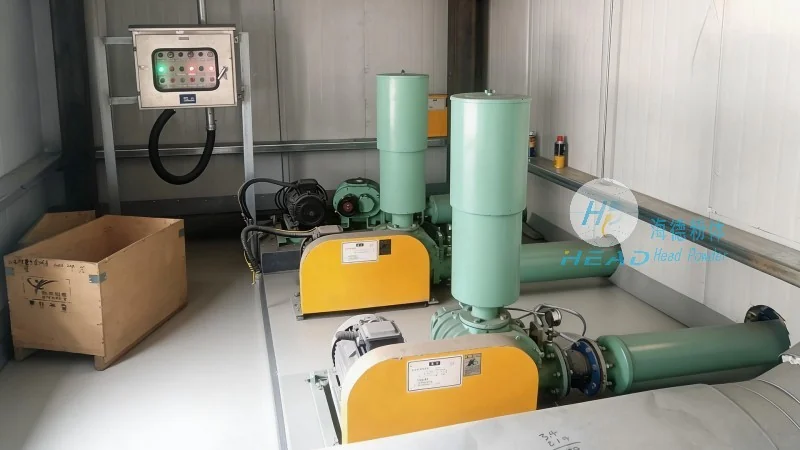
Customization and System Design Considerations
At Headpowder, we understand that each talc powder handling application is unique, and therefore, we offer customized pneumatic conveying systems tailored to meet specific customer needs. Our design process begins with a thorough analysis of the material's properties and the operational requirements of the application. We then select the appropriate conveying system type, whether it's a dilute-phase or dense-phase system, based on the distance, material characteristics, and required throughput. The system design includes the selection of components such as blowers, feeders, and pipelines, ensuring that the system operates efficiently and safely. We also consider factors like material moisture content, particle size distribution, and the need for dust collection or filtration to maintain environmental compliance. Our team of engineers works closely with customers to develop a system that not only meets their current needs but also allows for future expansion and upgrades.
Conclusion
Headpowder's talc powder pneumatic conveying equipment is designed to provide efficient, reliable, and cost-effective material transport solutions for various industries. By leveraging the principles of pneumatic conveying and incorporating advanced design features, our systems ensure the safe and consistent handling of talc powder, meeting the highest standards of quality and performance. With our expertise and commitment to customer satisfaction, Headpowder is the ideal partner for businesses seeking to optimize their talc powder handling processes. Based in Shandong, China, we are dedicated to delivering innovative solutions that enhance productivity and improve overall operational efficiency.